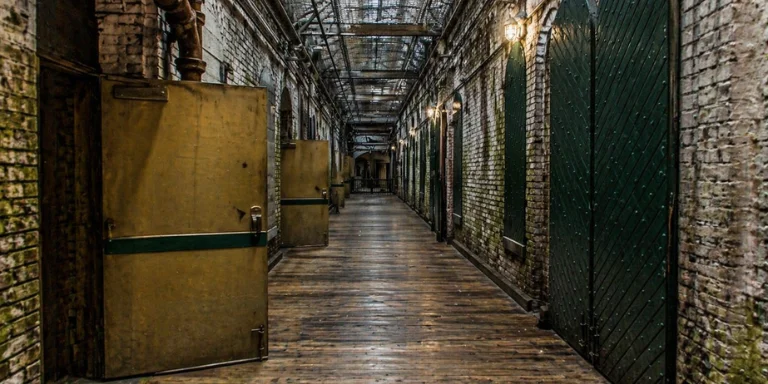
Is Alcatraz Prison Haunted? What You Should Know Before Booking
Why This Question Keeps Coming Up
A lot of visitors don’t think about ghost stories until they start planning their trip.
Then it shows up everywhere.
Reviews mention it. Travel forums bring it up. People who’ve already visited talk about “something feeling off” in certain parts of the prison.
It’s enough to make you pause, especially if you’re choosing between a day tour and a night tour.
This isn’t about dramatic claims. It’s about repeated, similar experiences reported over time.
Even when Alcatraz was still operating, some staff noted things they couldn’t explain. Guards on late shifts mentioned hearing movement in empty areas. Others described sudden changes in temperature in specific sections of the building.
After the prison closed, those reports didn’t disappear. They just came from a different group of visitors.
So, Is Alcatraz Actually Haunted?
There’s no confirmed evidence that the prison is haunted.
But there’s also no shortage of people who say something felt unusual during their visit.
Across decades, similar details keep appearing:
Sounds in spaces that are clearly empty
Cold patches in the same small sections of the building
Strange smells that come and go quickly
A strong sense of presence, especially in isolated areas
What stands out is how often these reports point to the same locations.
That pattern is what keeps the question alive.
Why People React Strongly to This Place
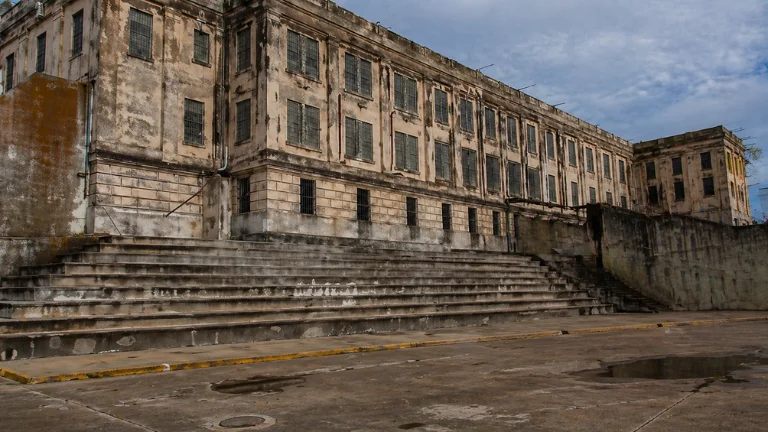
Before jumping to conclusions, it helps to look at what the environment is doing.
The Layout Works Against You
Alcatraz isn’t an open, easy space to move through.
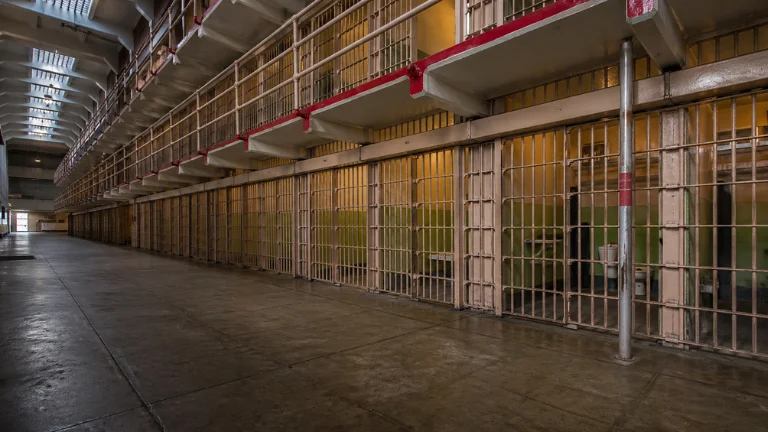
The cellhouse is tight, repetitive, and controlled. Rows of identical cells, narrow walkways, and limited natural light make it harder to stay oriented.
That alone can create tension, even if you don’t notice it right away.
Isolation Was the Core of the System
This prison wasn’t just about confinement. It was about restriction.
Minimal contact. Limited movement. Strict routines.
Solitary confinement pushed this further. In D Block, inmates were placed in near-total darkness with very little interaction.
Those conditions had real psychological effects, documented at the time.
You’re walking through a space that was built to break routine and control behavior. That atmosphere hasn’t gone anywhere.
The History Is Not Abstract
Alcatraz isn’t a symbolic site. Real events happened here.
The most widely known is the Battle of Alcatraz in 1946, where a failed escape attempt turned into a violent standoff. Five people died.
But that’s only one part of the story.
There were other incidents. Conflicts between inmates. Escape attempts that ended badly. Deaths over time from different causes.
When you’re inside the building, you’re not separated from that history. You’re standing in it.
The Area Most Visitors Talk About: D Block
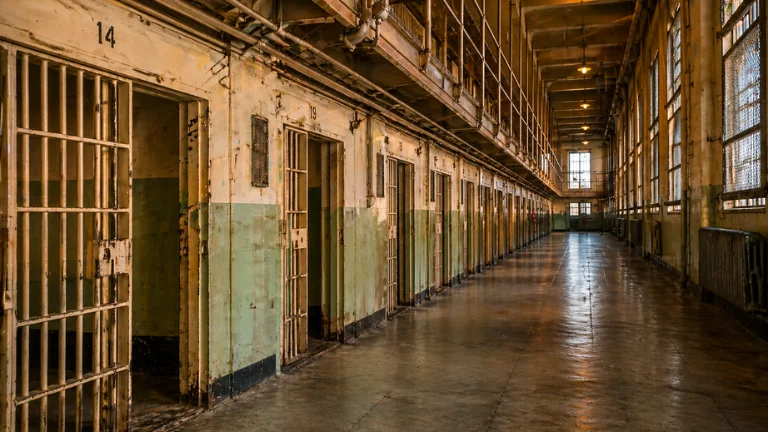
If you read enough reviews or talk to enough people, one location keeps coming up.
D Block.
This was the isolation unit. The strictest section of the prison.
Within it, Cell 14D gets the most attention.
During the prison years, this cell was used for extreme confinement. Darkness, silence, and minimal food were standard.
There’s a long-standing account of an inmate who spent the night claiming something was in the cell with him. By morning, he was dead. The official explanation didn’t confirm anything unusual, but the story stayed.
Visitors today often react to this space without knowing that background.
They describe:
A sudden drop in temperature
A heavy or uncomfortable feeling
The urge to leave quickly
Not everyone feels it. But enough people do that it stands out.
Does This Affect Which Tour You Should Book?
For some people, yes.
The environment inside the prison changes depending on the time of day.
During the day, there’s more light, more movement, and more noise. The experience feels open and easier to process.
At night, everything tightens.
Fewer people. Lower light. Less background noise.
The same areas feel different.
If you’re curious about these stories or want a more intense atmosphere, the night tour tends to highlight that side of the experience more clearly.
If you prefer a straightforward visit focused on history and structure, the day tour is the safer choice.
Where Most Reports Come From on the Island
Not every part of Alcatraz gets the same reaction.
If you go through visitor feedback and first-hand accounts, a few locations come up again and again. These aren’t random mentions. They’re tied to specific spots with a known history.
The Warden’s House: Quiet, but Not Empty
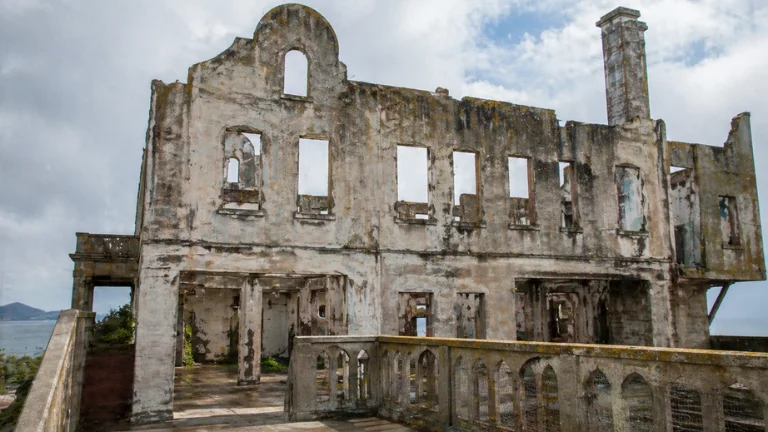
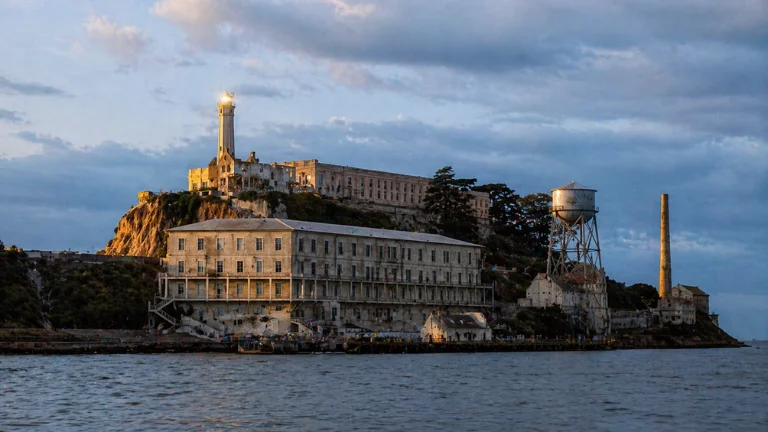
The warden’s residence once sat above the prison with one of the best views in San Francisco Bay.
Now it’s a burned structure.
The building was damaged during the Native American occupation between 1969 and 1971 and never restored. What’s left is a shell of walls and open space.
This area feels different from the main prison.
It’s less crowded. More exposed. And often quieter.
Visitors sometimes describe hearing voices when no one is around. Others mention the smell of smoke, even on clear days with no source nearby.
These reports don’t happen constantly, but they’re repeated often enough to stand out.
Staff who’ve spent years on the island tend to speak about this place carefully. They don’t confirm anything directly, but they rarely dismiss it either.
Part of the effect may come from contrast. This was once the most comfortable building on the island. Now it’s empty and broken.
Inside the Cellhouse: Sounds That Don’t Line Up
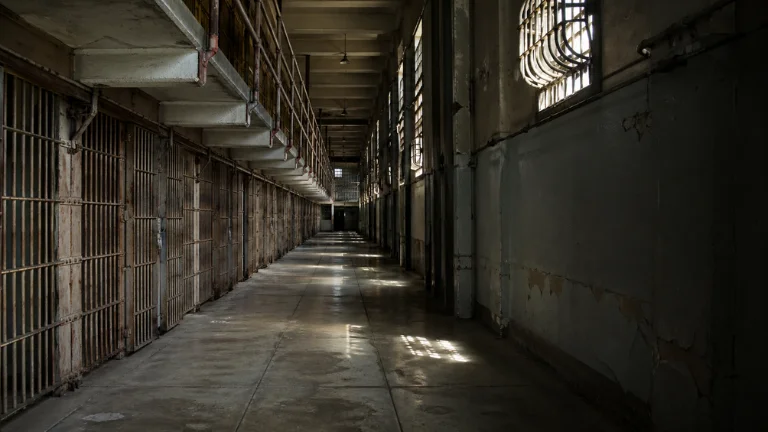
The main prison building produces a different type of experience.
This is where most of the sound-related reports happen.
Visitors mention:
Footsteps when no one is nearby
Voices that seem just out of reach
Metallic sounds similar to cell doors
Some of this has clear explanations.
The building is made of concrete and steel, which changes how sound travels. Noise can bounce, stretch, and arrive from unexpected directions.
A sound from above might seem like it’s beside you. A voice from a distance can feel close.
But not every report is easy to explain.
One detail that shows up in multiple accounts is the sound of banjo music in a specific section of the prison.
This is often linked to Al Capone, who played banjo while he was held at Alcatraz.
What’s interesting is that some visitors report hearing it without knowing that part of the history.
That’s what keeps the story in circulation.
The Events Behind These Stories
These reports didn’t appear out of nowhere. They are connected to what actually happened here.
The 1946 Escape Attempt
The Battle of Alcatraz is the most documented violent event tied to the prison.
During the incident:
Inmates took control of weapons
Guards were held hostage
The situation lasted two days
It ended with multiple deaths, including correctional officers and inmates.
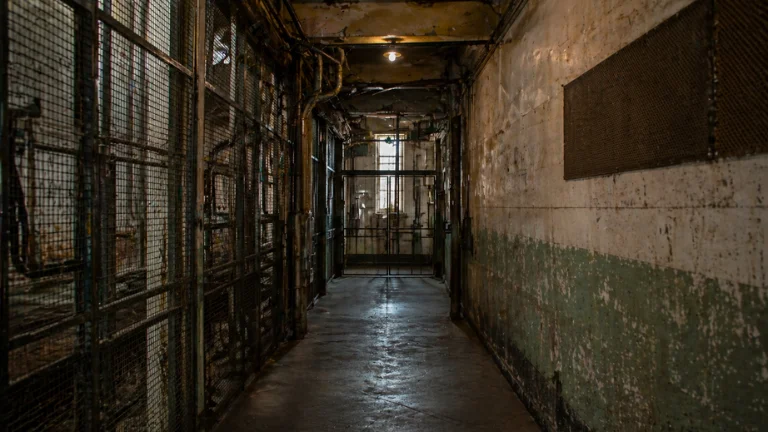
The areas where this took place are still accessible during a visit, especially around the utility corridors behind C Block.
A large number of unusual reports come from these same areas.
Life in Isolation
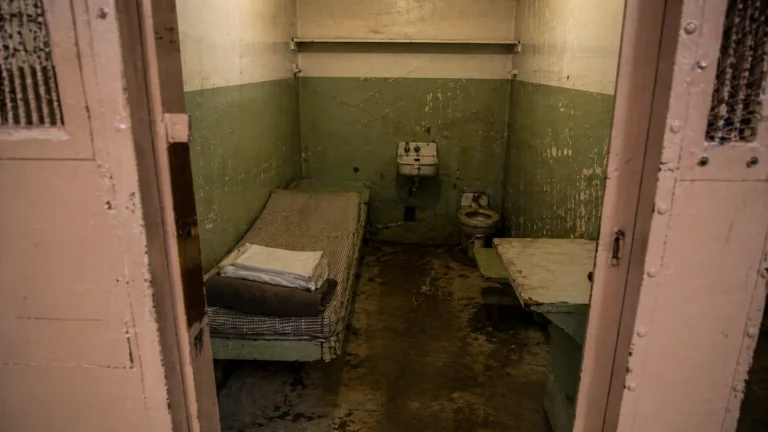
D Block has one of the most intense histories on the island.
Inmates placed in solitary confinement experienced long periods with almost no interaction. Darkness and silence were part of the punishment.
Even during the prison’s operation, staff recognized the mental strain it caused.
Some inmates reported hearing things or feeling presences during their time there.
Today, visitors describe similar sensations in the same space.
That overlap is one of the reasons D Block stands out.
A Long Record of Deaths
Alcatraz operated for nearly three decades as a federal prison.
During that time, deaths occurred from multiple causes:
Violence between inmates
Injuries during escape attempts
Illness and natural causes
This creates a continuous human history within the building.
Visitors aren’t walking through a recreated environment. They’re moving through spaces where these events actually happened.
Why These Reports Continue to Matter
The reason this topic doesn’t fade is simple.
The experiences are specific.
People don’t describe the entire island as unsettling. They point to exact locations, and those locations match across different accounts.
At the same time, there are practical explanations for many of these effects:
Sound distortion
Environmental conditions
Psychological response to confined spaces
Both sides exist at the same time.
For someone planning a visit, the key takeaway isn’t whether the island is haunted.
It’s understanding how the environment feels, and how that might affect your experience depending on the tour you choose.
Day vs Night Tour: Where the Experience Changes
The structure of both tours is similar. You take the ferry, explore the island, and go through the cellhouse with the audio guide.
What changes is the environment.
Day Tour: Clear and Straightforward
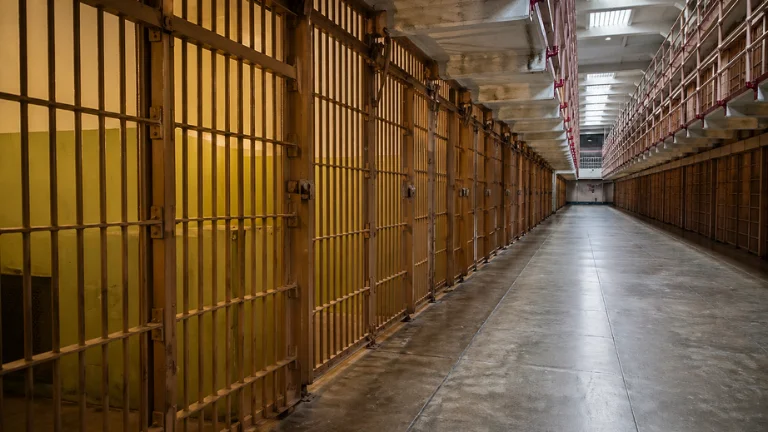
During the day, everything is easier to read.
There’s natural light inside the cellhouse. You can see the layout clearly. There’s more movement, more noise, and a steady flow of visitors.
This takes some of the edge off.
If you’re visiting for history, architecture, or a first-time overview, the day tour keeps things simple and accessible.
Night Tour: More Focused and Intense
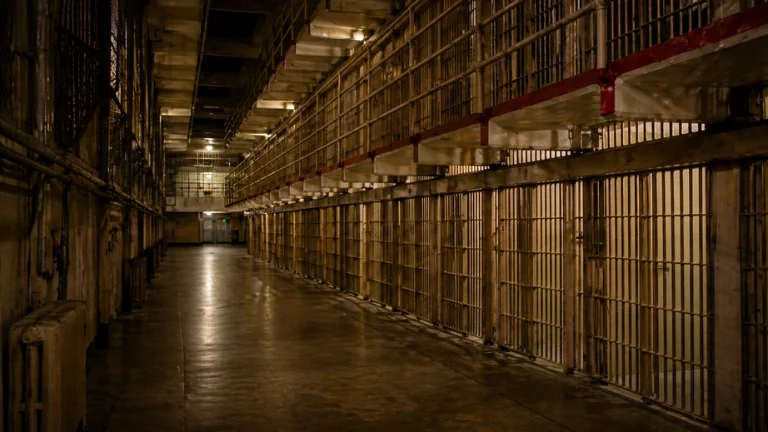
At night, the same spaces feel different.
Lighting is limited. Visitor numbers are lower. The overall pace slows down.
Inside the cellhouse, sounds stand out more. Conversations drop. You notice smaller details that are easy to ignore during the day.
Ranger-led programs during the night tour also tend to focus more on specific stories tied to the prison, which can shape how you experience certain areas.
If you’re already curious about the “haunted” side of Alcatraz, this is where it becomes more noticeable.
What Visitors Actually Feel During the Tour
Most people don’t experience anything dramatic.
But many do notice small changes that stay with them.
These include:
Sudden chills in enclosed areas
A feeling of pressure or discomfort in specific cells
The sense that certain spots feel different from others
These reactions are often brief. They don’t last long, and they usually disappear once you move to another part of the building.
What matters is that they happen in the same places for different visitors.
Should This Affect Your Booking Decision?
It depends on what you want from the visit.
If your focus is on history and a complete overview, the day tour is the better fit. It’s easier to plan, more flexible, and gives you a clear understanding of the island.
If you want a more atmospheric experience, the night tour stands out.
The environment naturally feels more contained, and that makes certain areas, especially D Block, feel more intense.
Both options cover the main parts of the island. The difference is how those spaces feel when you move through them.
Practical Tips Before You Book
Book Early: Tickets often sell out, especially for night tours. Booking in advance gives you better time options.
Choose Your Timing Carefully:Morning and midday slots are easier to manage if you’re on a tight schedule. Night tours require more planning but offer a different experience.
Dress for the Conditions:Even if the city feels warm, the island can be cooler and windy. A light jacket is usually enough.
Give Yourself Enough Time:Most visits take around 2.5 to 3 hours. Don’t rush it. The experience works better when you move at your own pace.
Final Take Before You Book
Alcatraz Island doesn’t rely on ghost stories to make an impact.
The structure, the history, and the environment already do that.
The reports people share add another layer, but they don’t define the visit.
If you’re deciding between tours, think about how you want to experience the space.
Day tours give clarity.
Night tours change the mood.
Both leave an impression, just in different ways.
Frequently Asked Questions
Is the night tour actually scarier?▾
Do both tours include the same areas?▾
Which tour sells out faster?▾
Is the night tour suitable for children?▾
Can I switch my ticket after booking?▾
Is the ferry ride different at night?▾
How long does the visit take?▾
Do I need a guided tour?▾
Is it less crowded at night?▾
Should I do both tours?▾
Adrian Davis
Published on Alcatraz Island Guide


