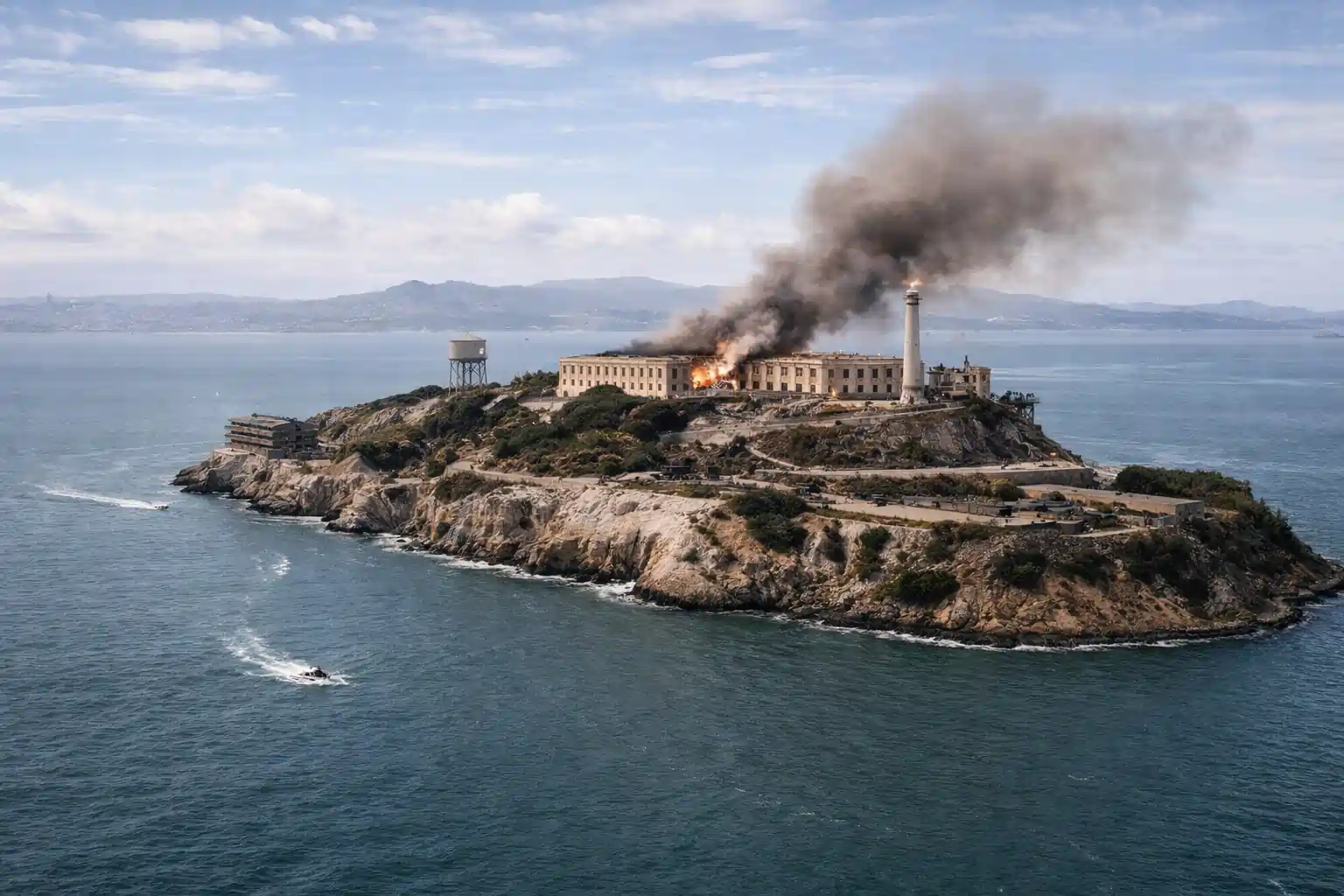
The Battle of Alcatraz (1946) Explained Into a 48-Hour Conflict
A System Designed for Control and the Moment It Was Tested
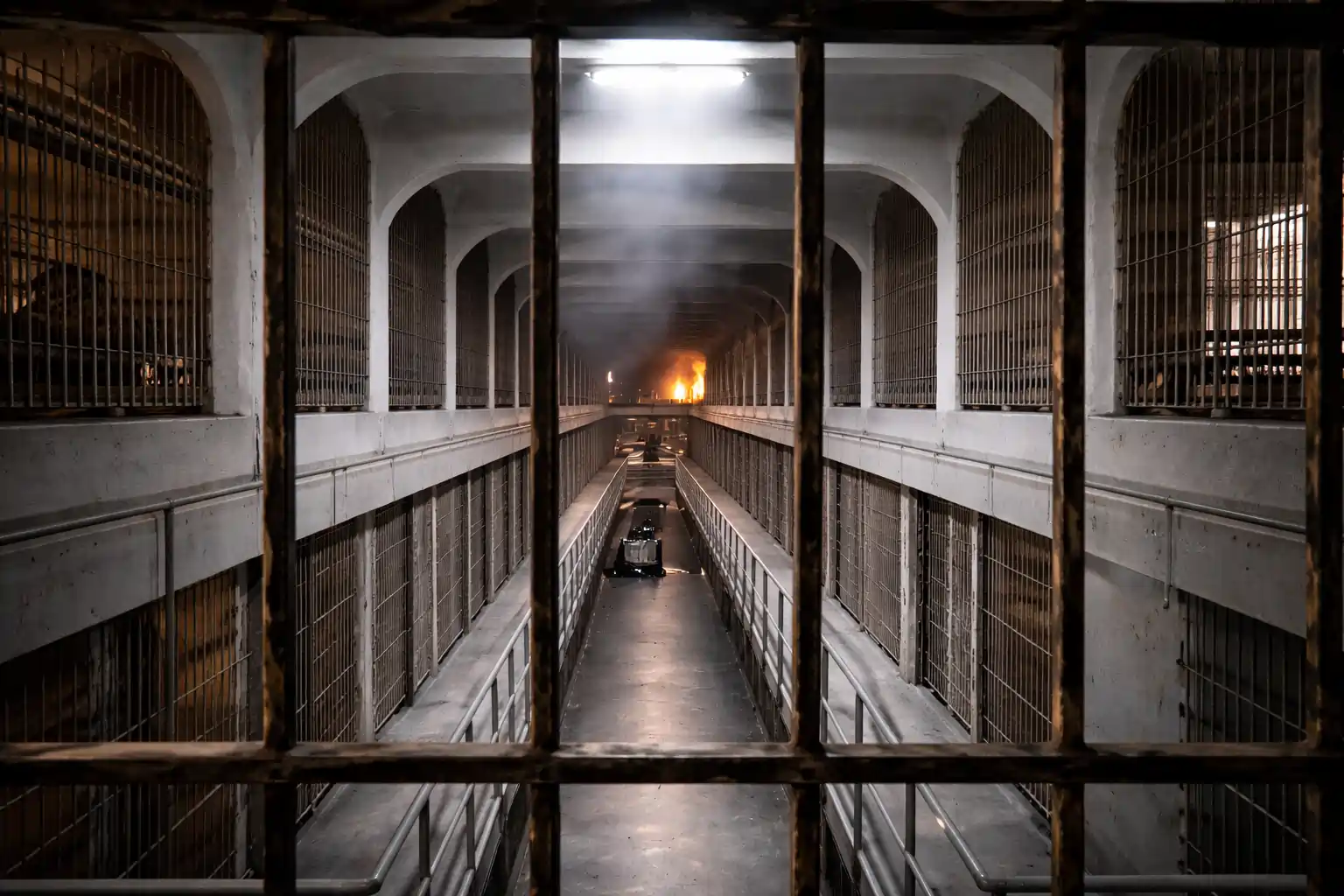
Alcatraz Island was built on a clear idea: control every variable. The island location, the prison layout, and the daily routines were all designed to remove uncertainty. For over a decade after opening in 1934, that system worked.
The events of May 1946 challenged that assumption.
What makes the Battle of Alcatraz significant is not just the violence that followed, but how the situation developed. It began with observation, patience, and planning, not chaos. That distinction explains why the escape attempt progressed as far as it did.
The Planning Behind the Escape
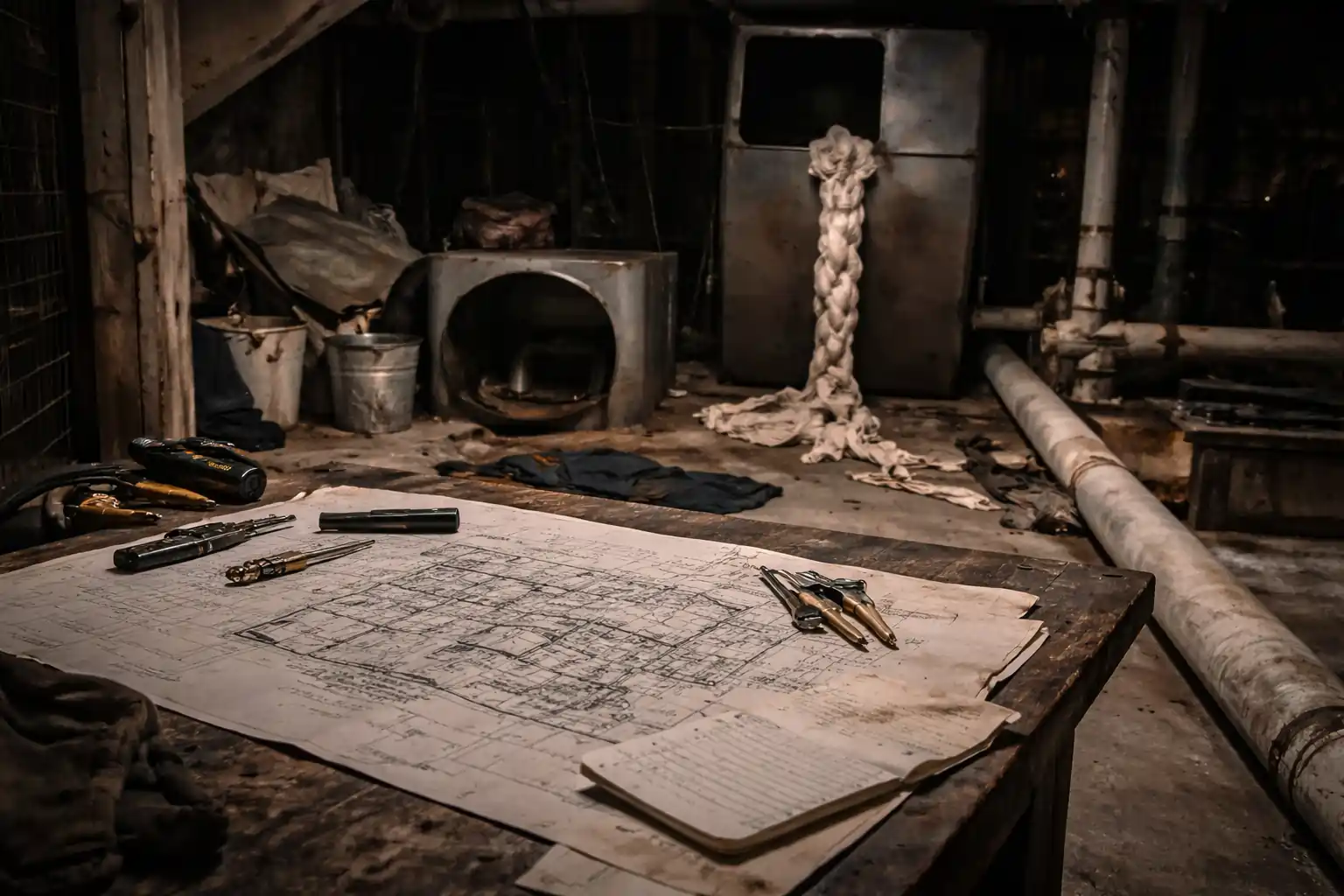
The attempt was led by Bernard Coy, an inmate who approached the prison system as something that could be studied and understood.
Instead of reacting to conditions, Coy spent months observing them. He focused on routine, guard movement, timing gaps, and physical structure. His goal was not to overpower the system directly, but to move within it until a weakness appeared.
One of those weaknesses was found in the gun gallery.
This elevated corridor allowed armed guards to monitor the cell blocks, and access to it was tightly controlled. However, Coy identified a small but critical flaw in the spacing of the bars.
He reduced his body weight over time and practiced how to move through the gap. This level of preparation made it possible to enter a restricted area without immediate detection.
At that point, the plan was no longer theoretical.
The Moment the Plan Was Set in Motion
On the afternoon of May 2, 1946, Coy acted during a routine guard rotation. Timing was essential. The gap in supervision was brief, but it was enough.
After entering the gun gallery, he overpowered the guard and gained access to weapons. This shifted the balance immediately. Control inside the cellhouse was no longer one-sided.
Coy then released the other inmates involved in the plan. Within minutes, guards were disarmed, hostages were taken, and movement within the cell block was restricted.
For a short period, the escape attempt followed its intended path.
Where the Plan Began to Break Down
The entire operation depended on one final step, access to the yard door.
That step failed.
The key required to unlock the exit was not available. It had been left inside a locked cell with captured guards, and the inmates could not retrieve it.
This was not a gradual failure. It was immediate.
The plan had been designed around a single exit point. Once that point became inaccessible, there was no alternative route. The inmates were now armed, in control of part of the prison, but with no way to leave.
This is where the situation changed from controlled action to forced decision.
They could surrender or escalate.
They chose escalation.
From Failed Escape to Armed Confrontation
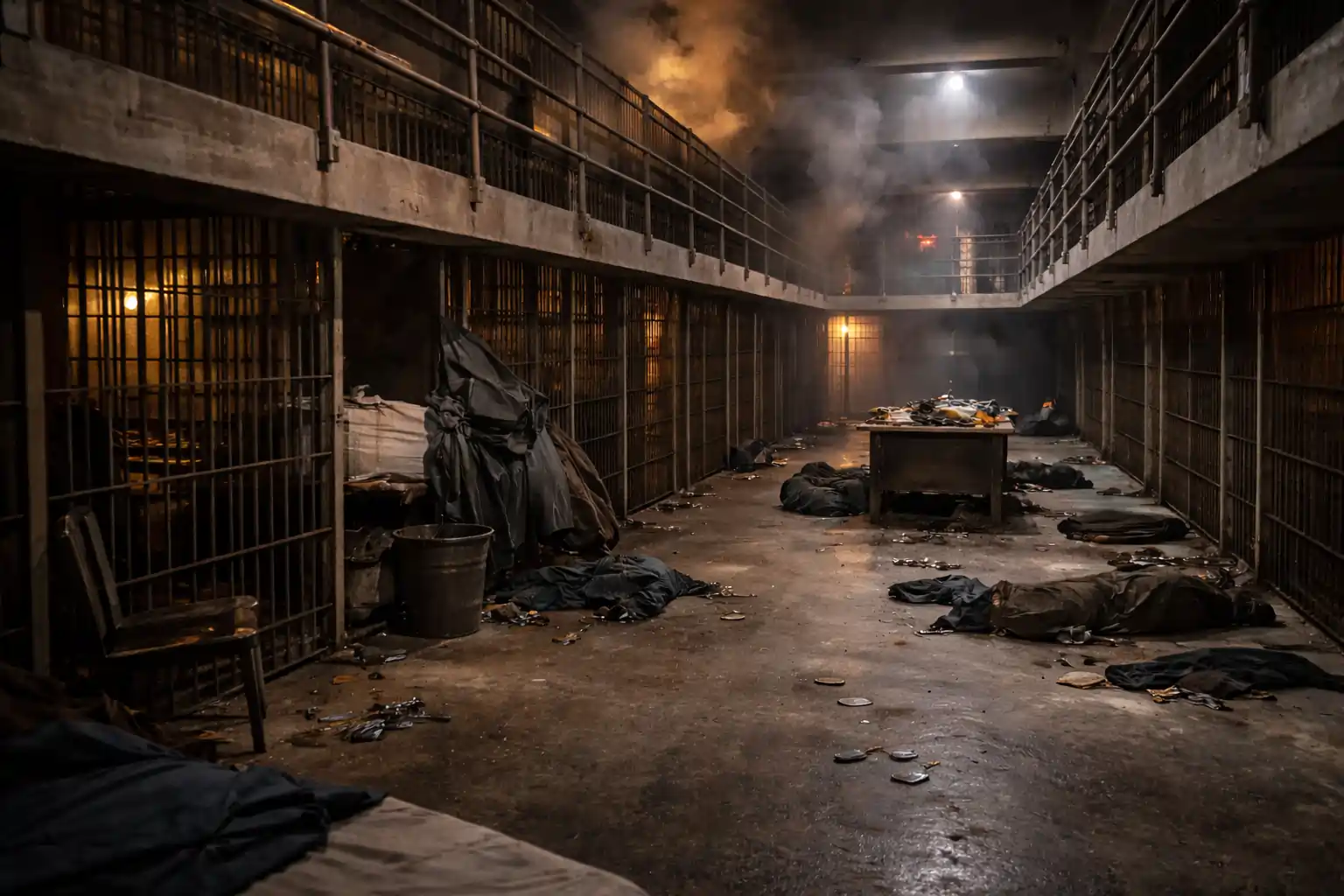
The Shift From Control to Crisis
Once the yard key could not be located, the situation inside the cellhouse changed immediately. The inmates were no longer executing a plan, they were reacting to a failure.
Up to that point, their actions had been structured and deliberate. After the failure, time became the main pressure. The longer they remained inside without an exit, the more likely it was that prison authorities would respond with force.
This shift from planning to reaction is what escalated the incident.
Violence as a Turning Point
The confrontation became irreversible when Joseph Cretzer opened fire on the hostage guards.
This was not part of the original escape plan. It was a decision made after the inmates realized that the situation could not be reversed. The intent was to eliminate witnesses and reduce resistance, but it had the opposite effect.
The shooting resulted in fatal injuries to Officer William Miller and serious wounds to others. At that moment, the nature of the event changed.
It was no longer a failed escape attempt. It became a lethal confrontation that required immediate intervention.
Why and How the Strategy Changed
Why the Standard Prison Response Was Not Enough
Prison staff outside the cellhouse were operating with limited information. Communication was disrupted, and the inmates had access to firearms and strategic positions.
Under normal circumstances, internal response teams would manage disturbances. In this case, the scale and risk were beyond what those teams were trained to handle.
The decision to call for external support was based on three key factors:
Armed inmates controlling a section of the prison
Hostages already injured or killed
Limited ability to safely enter the barricaded area
This combination made a standard containment strategy ineffective.
The Role of the U.S. Marines
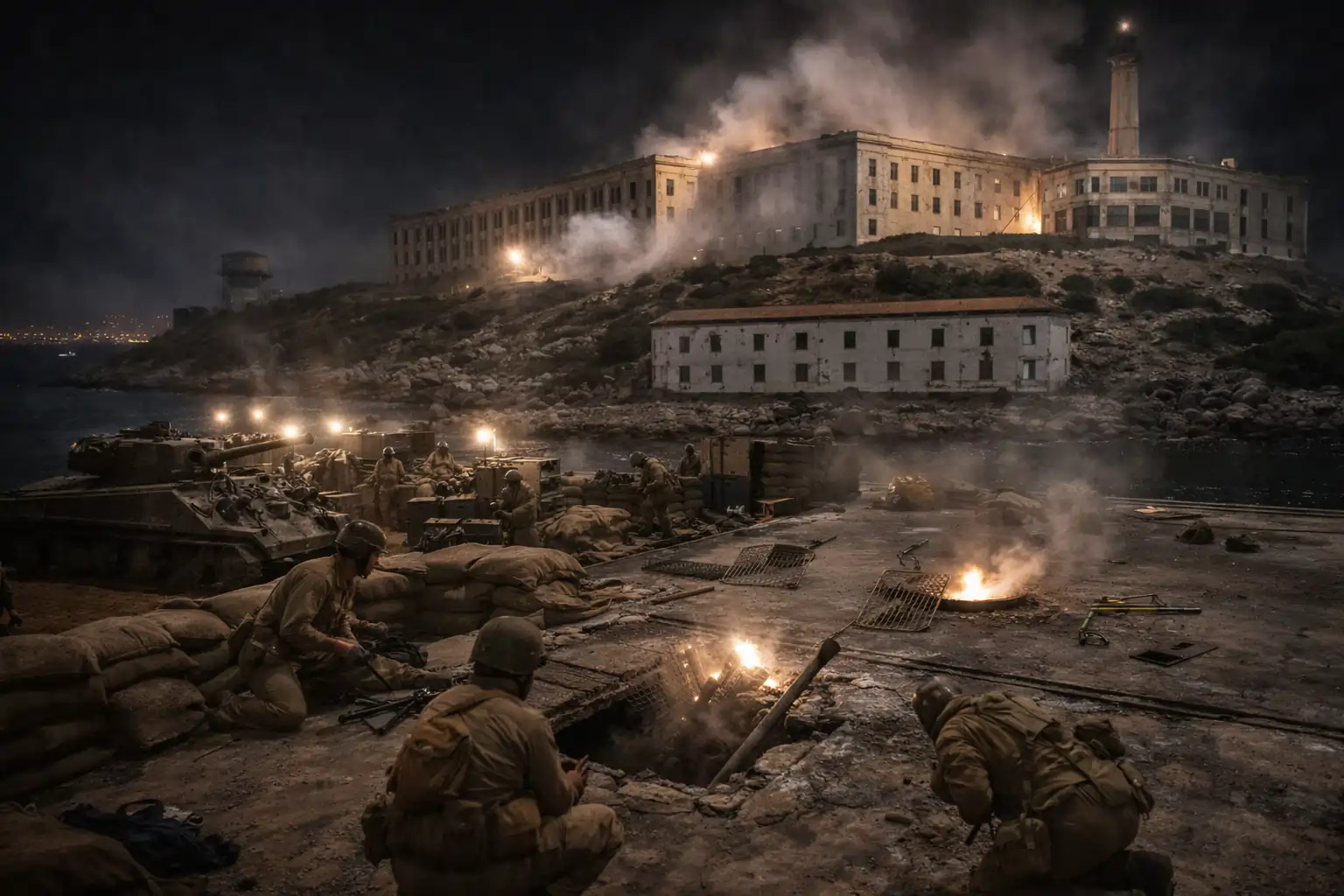
Warden James Johnston requested assistance from nearby military units. U.S. Marines from Treasure Island were deployed, along with Navy personnel experienced in controlled demolition.
This decision reflected the severity of the situation. Military involvement in a domestic prison incident was extremely rare, and it indicated that the prison authorities no longer had full operational control.
The objective was not simply to suppress the inmates, but to regain control without causing additional casualties among hostages and staff.
The Complexity of the Cellhouse Environment
The layout of the cellhouse made the response more difficult than expected.
The inmates had taken position in utility corridors behind C Block , areas not designed for direct access. These spaces were narrow, enclosed, and difficult to approach without exposure.
From a tactical perspective, this created three challenges:
Limited visibility for responding forces
Restricted movement within confined corridors
High risk of close-range confrontation
Because of this, direct entry was not immediately effective.
How the Response Strategy Changed
Instead of attempting repeated frontal entry, authorities adjusted their approach.
They began targeting the inmates’ position from above.
Holes were drilled through the roof of the cellhouse to reach the area where the inmates were hiding. From there, hand grenades were dropped into the corridors to force movement and weaken resistance.
This method allowed forces to act without entering confined spaces directly, reducing risk to responding personnel.
The confrontation continued over an extended period, with sustained gunfire and controlled use of explosives.
The End of the Confrontation
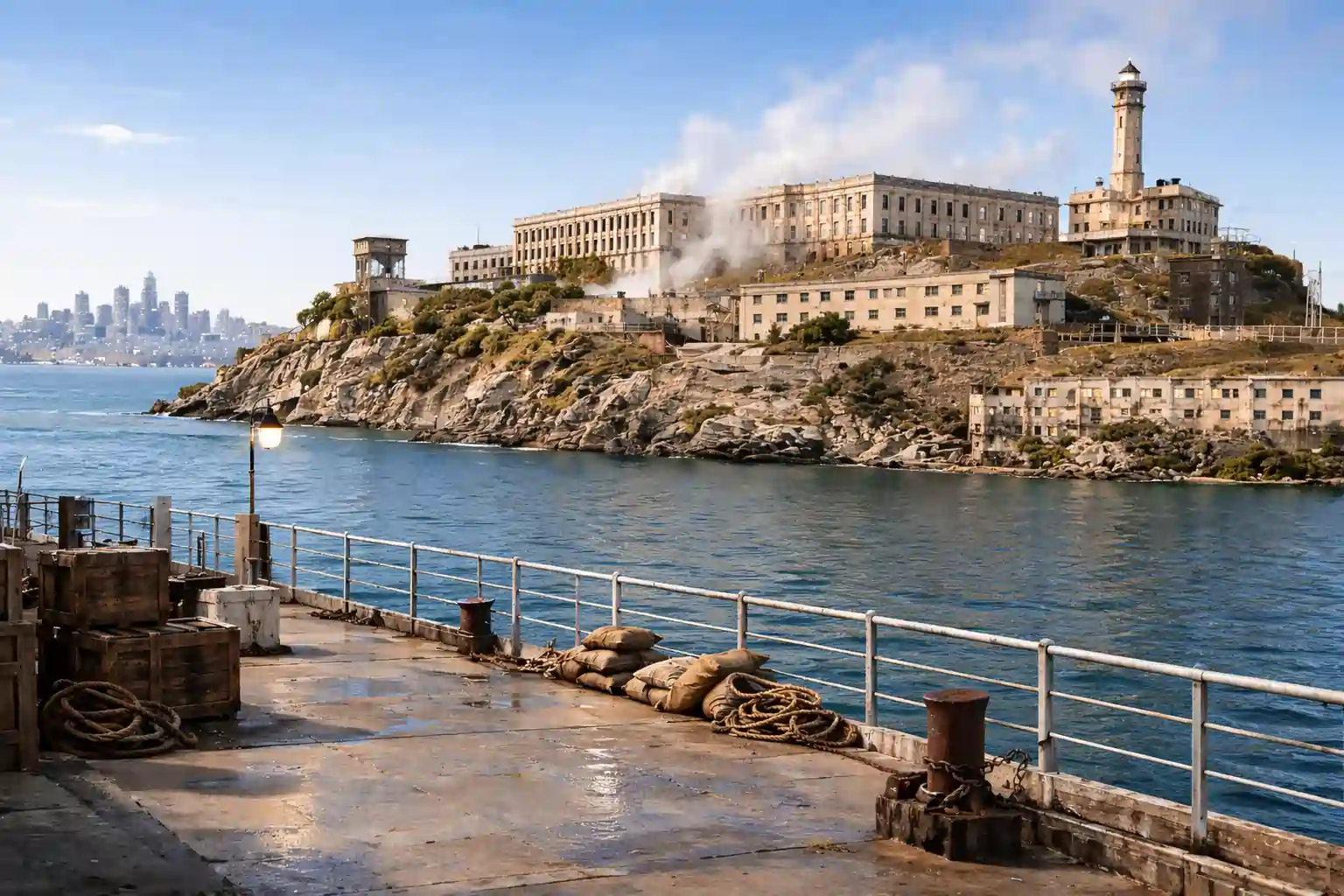
By the early hours of May 4, resistance had ended.
Bernard Coy, Joseph Cretzer, and Marvin Hubbard were found dead in the utility corridor. Their position had become untenable under continued assault.
The remaining three inmates, Shockley, Thompson, and Carnes, were later found alive and taken into custody without further conflict.
At that point, control of the prison had been fully restored.
Consequences and Reform After the End of the Confrontation
What Happened After Control Was Restored
By the morning of May 4, 1946, the cellhouse was back under full control. The immediate crisis had ended, but the impact of the event was just beginning.
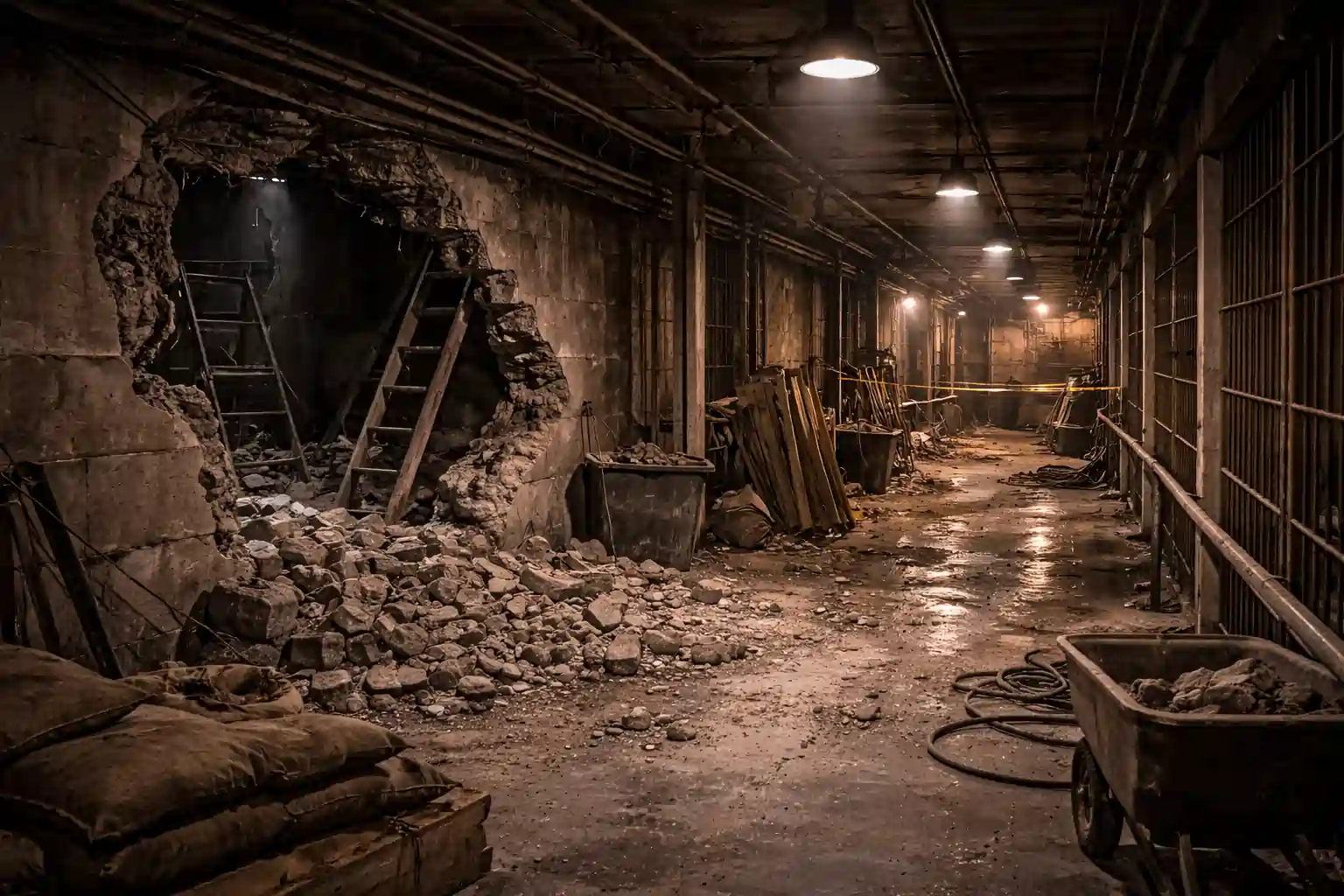
The physical condition of the prison reflected the intensity of the confrontation. Areas around the utility corridors showed clear signs of gunfire and explosive damage. Repairs were necessary before normal operations could resume, but structural damage was only part of the aftermath.
The psychological impact on prison staff was equally significant. Guards who had been taken hostage were confined in cells, injured, and exposed to prolonged violence. The experience reshaped how risk inside the prison was understood.
Legal Outcomes for the Surviving Inmates
The three surviving participants, Sam Shockley, Miran Thompson, and Clarence Carnes, were removed from Alcatraz and put on trial for the deaths of correctional officers.
The case drew national attention, not only because of the violence involved, but because it challenged the perception of Alcatraz as an untouchable institution.
The outcomes reflected both the severity of the incident and the individual roles of those involved.
Shockley and Thompson were convicted of murder and later executed in 1948 at San Quentin State Prison. Their sentences reinforced the legal consequences of the violence that occurred during the standoff.
Carnes received a different outcome. His age and level of direct involvement were considered during the trial. Instead of execution, his sentence was extended. He remained in custody for decades and was eventually released in 1973.
This difference in sentencing shows how individual responsibility was assessed within a larger group action.
Security Changes That Followed
The incident triggered a full review of Alcatraz’s operational structure. The goal was not to redesign the prison entirely, but to remove the specific weaknesses that had been exploited.
Several targeted changes were introduced.
Bar spacing in the gun gallery was modified to prevent unauthorized access. Guard rotation schedules were adjusted to reduce predictable timing gaps. Key control procedures were tightened to ensure that critical access points could not be compromised in the same way again.
These changes were directly linked to the methods used by Bernard Coy. Instead of broad reforms, the response focused on closing specific vulnerabilities.
Timeline of the Battle of Alcatraz
Looking at the sequence of events highlights how quickly the situation developed.
May 2, 1946 (afternoon): Coy enters the gun gallery and seizes weapons
Shortly after: Other inmates are released, guards are overpowered
Midday: Yard key cannot be found; escape route fails
Evening: Hostage guards are shot; situation escalates
May 3: Full-day armed confrontation with military involvement
May 4 (early morning): Three inmates found dead; remaining inmates captured
Within less than 48 hours, the situation moved from planning to execution, failure, escalation, and resolution.
Why This Event Continues to Matter
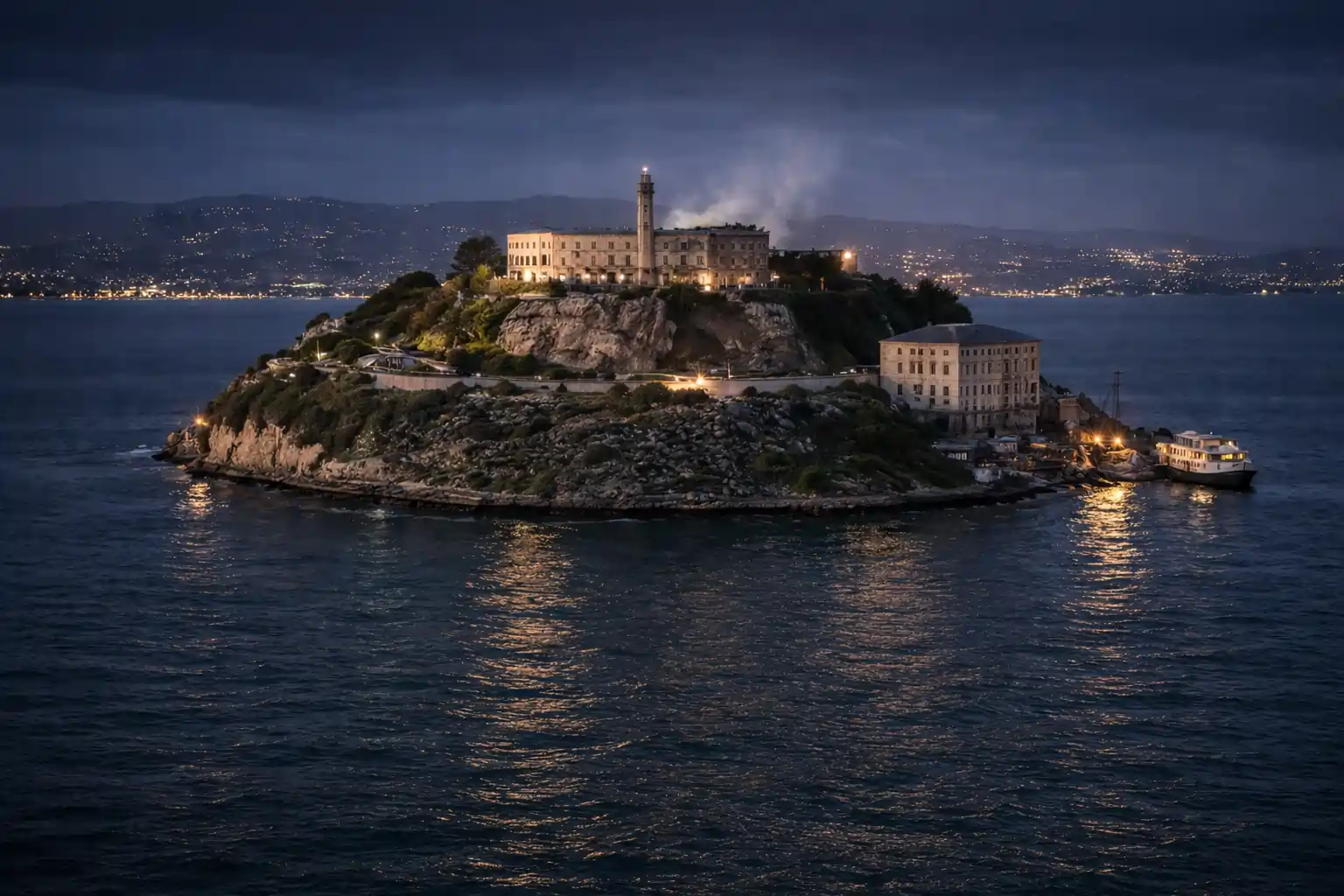
The Battle of Alcatraz is often remembered for its violence, but its long-term significance lies in what it revealed.
It showed that even a system designed for maximum control could be challenged through observation and patience. The plan did not rely on force at the beginning, it relied on understanding routine and structure.
At the same time, the event demonstrated how quickly a controlled situation can escalate once a single critical element fails. The missing key did not just stop the escape; it transformed the entire scenario.
The response that followed also reinforced a key principle: control could be restored, but not without cost.
Experiencing the Alcatraz of the Past
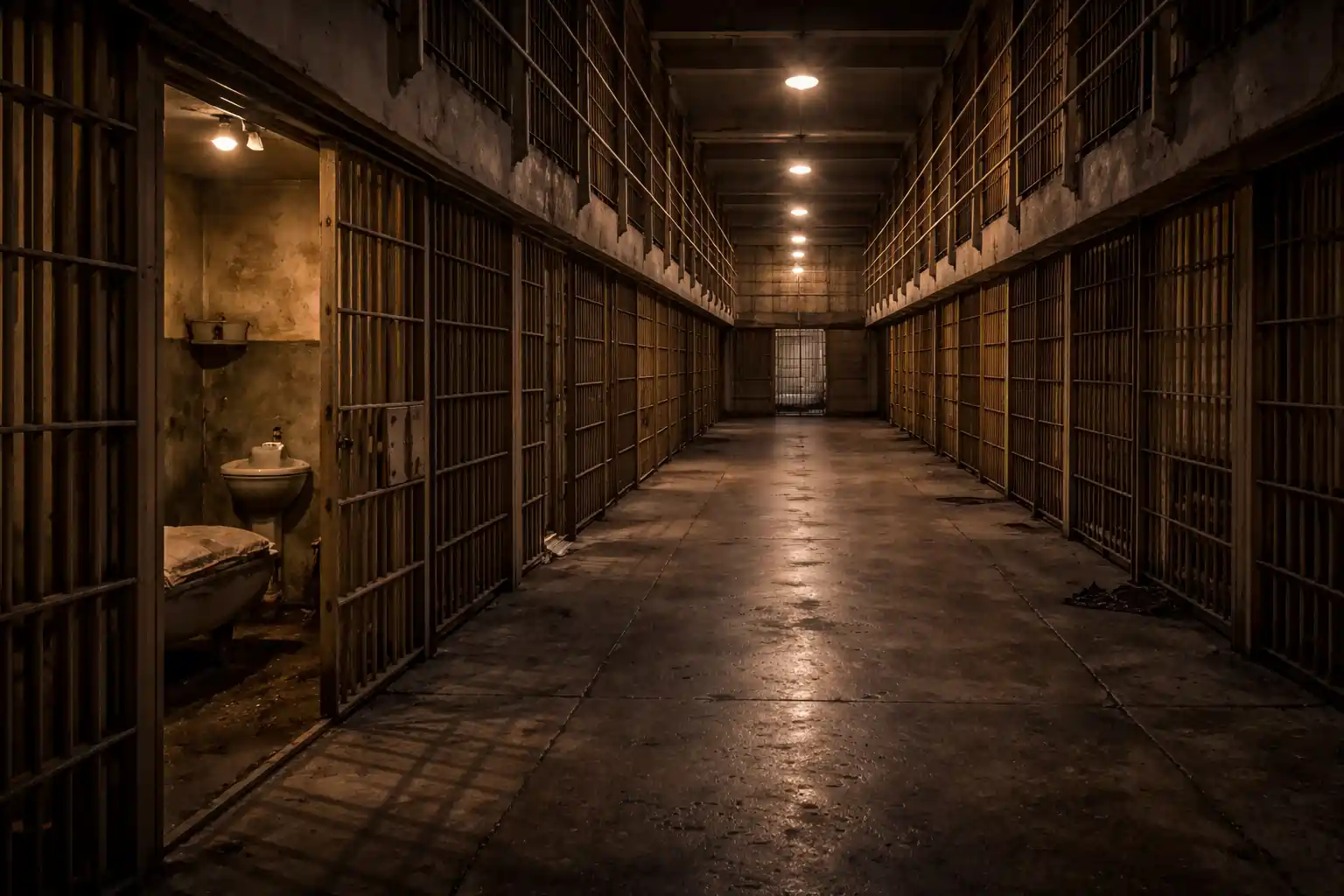
Today, the story of the 1946 riot is built into the experience of visiting Alcatraz.
During an Alcatraz day tour, visitors can walk through the same cellhouse corridors where the confrontation unfolded. Seeing the physical layout helps explain why the situation was so difficult to contain.
The Alcatraz night tour offers a different perspective. With reduced lighting and fewer visitors, the environment feels more confined. This makes it easier to understand the pressure and isolation that defined the event.
The structure itself has not changed significantly, which makes the historical context more immediate.
Final Conclusion
The Battle of Alcatraz did not destroy the prison’s reputation. In many ways, it reinforced it.
The incident showed that the system could be challenged, but it also showed how forcefully it would respond. The combination of vulnerability and control is what makes this event important.
It is not only a story about violence. It is a case study in how systems are tested, how they fail in specific ways, and how they adapt afterward.
That is why the event remains relevant long after the prison itself closed.
Frequently Asked Questions
What exactly happened during the Battle of Alcatraz?▾
Who was behind the escape plan at Alcatraz?▾
What caused the escape attempt to fail?▾
How did the situation turn into a violent standoff?▾
How long did the Alcatraz conflict continue?▾
What led to the involvement of the U.S. Marines?▾
How was control of the prison finally restored?▾
What were the consequences for the inmates involved?▾
What security changes were made after the incident?▾
Can you still see where the Battle of Alcatraz happened today?▾
Adrian Davis
Published on Alcatraz Island Guide


