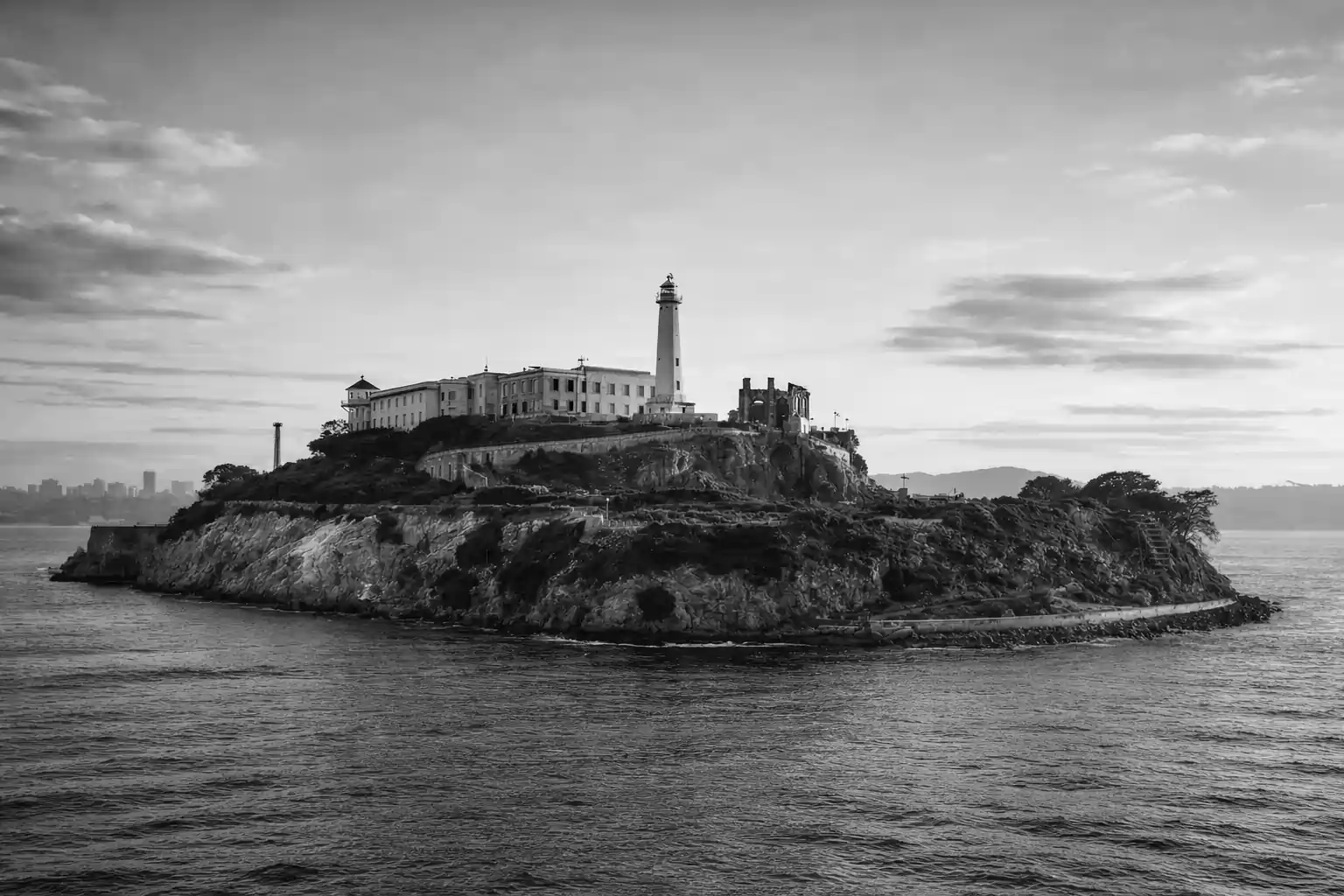
History of Alcatraz Island: What You Should Know
Why the History of Alcatraz Matters Before You Go
Most visitors book Alcatraz Island tour expecting to see a famous prison. That expectation is not wrong, but it is incomplete, and that gap is exactly what changes how the visit feels once you are on the island.
Alcatraz is not a single-purpose attraction. It is a layered site where different phases of history are still visible at the same time. When you walk through the cellhouse, you are only seeing one part of a much larger timeline that began long before the prison existed.
Understanding that timeline helps you get more value from your visit. Instead of moving through the island quickly, you begin to recognize how each area connects to a different period. The experience becomes clearer, more structured, and easier to follow.
Before choosing your ticket type or time slot, it helps to know what shaped the island. That context will influence how you explore it once you arrive.
Before the Prison: What Was Alcatraz Originally Used For?
Early Presence and Natural Use
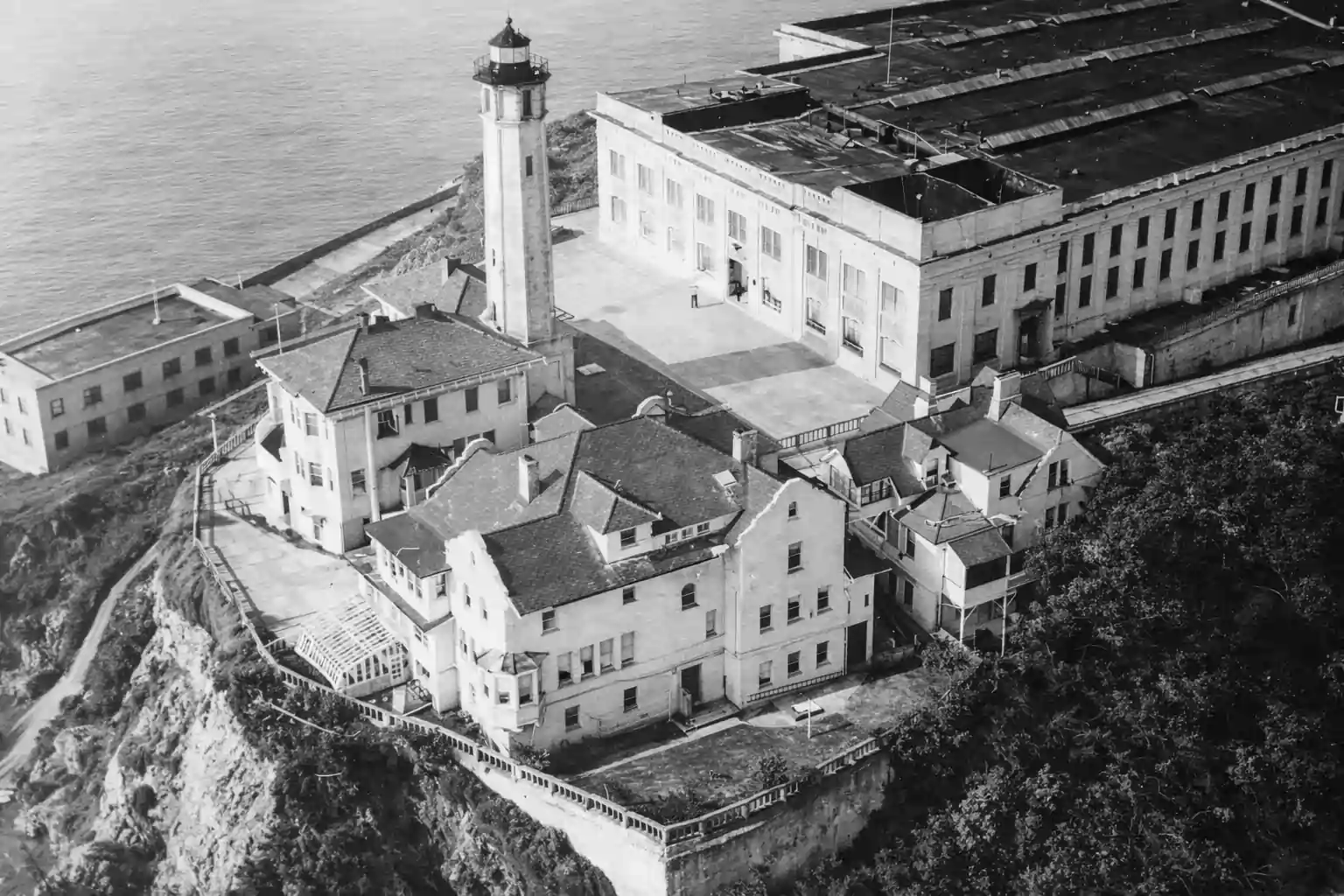
Long before the island was developed, it was already part of the local environment used by indigenous communities. The Ohlone people, who lived across the San Francisco Bay region, were familiar with the island and used it as a seasonal resource.
The island was not suitable for permanent settlement because of strong winds and limited natural cover. However, it provided access to fish and bird eggs, which made it useful within a larger network of resource locations.
This early phase is not always highlighted during quick visits, but it explains why the island existed as a known location long before any structures were built on it.
How the Island Got Its Name
The name Alcatraz comes from a Spanish expedition in 1775 led by Juan Manuel de Ayala. During this survey of San Francisco Bay, the island was recorded and named “La Isla de los Alcatraces.”
The name refers to seabirds, particularly pelicans, which were common on the island at the time. Over the years, the name was shortened and adapted into its current form.
This detail is often mentioned during guided narration, so knowing it in advance helps you connect the explanation with what you see on the island.
Why Location Made Alcatraz Important
The position of Alcatraz at the entrance of San Francisco Bay made it valuable from a strategic point of view. Any ship entering or leaving the bay would pass within view of the island, which made it an ideal observation point.
At a time when control over ports was directly linked to economic and military power, this location made the island far more important than its size would suggest.
This strategic value is the reason the island was eventually developed, and it continues to shape how the site is organized today.
The Military Phase: From Island to Fort
Why the U.S. Government Took Control
After California became part of the United States in 1848, attention quickly turned to securing San Francisco Bay. The Gold Rush increased traffic, trade, and population, which made the bay a critical location that required protection.
In 1850, Alcatraz was officially set aside for military use. This decision marked the beginning of structured development on the island.
Building a Defensive Stronghold
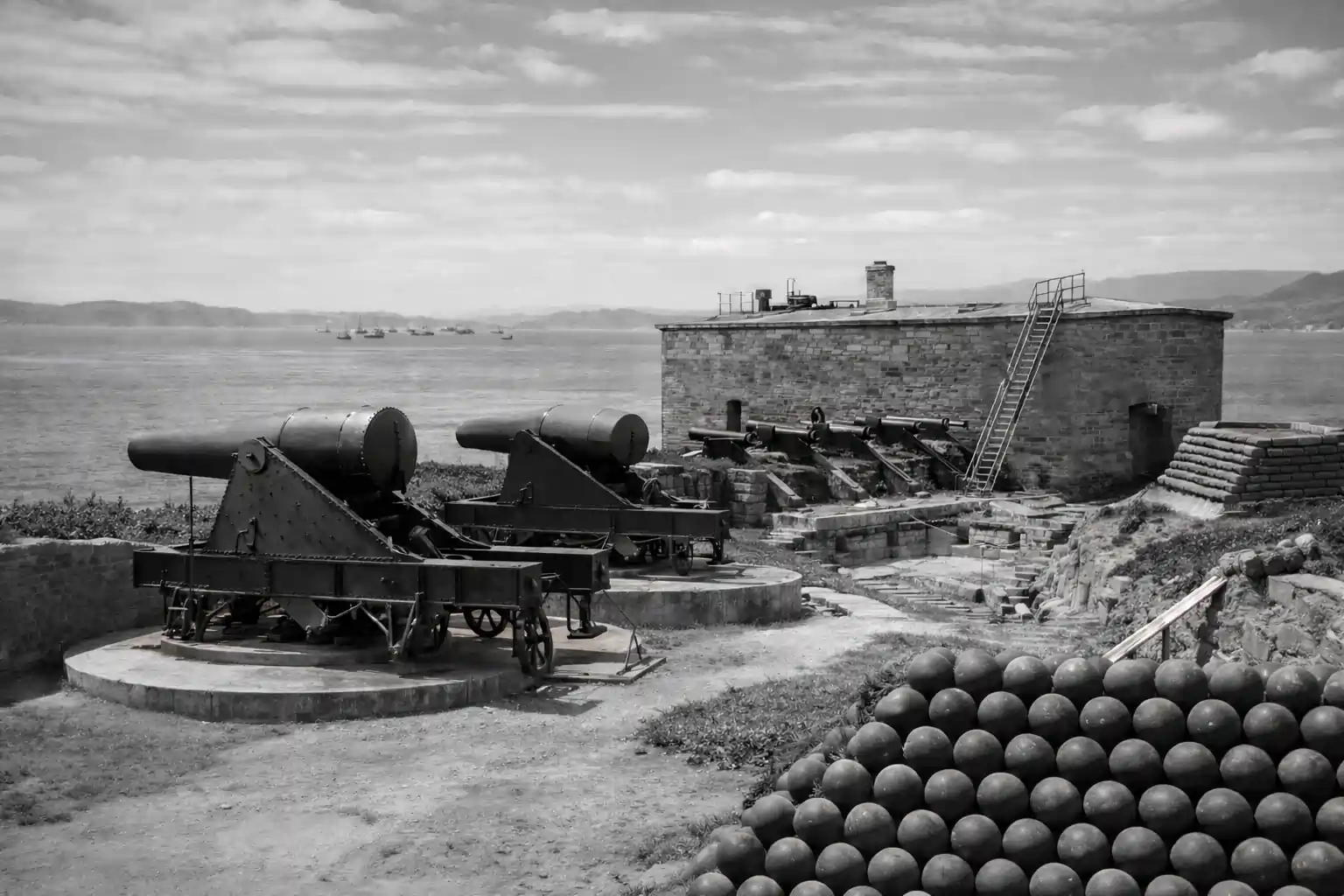
Construction turned the island into a fortified position equipped with more than one hundred cannons. These were placed to defend the bay from potential attacks, even though they were never used in active combat.
The island became the first operational U.S. Army fort on the Pacific Coast. This role established Alcatraz as a place tied to control, security, and oversight.
Even today, parts of this military structure can still be seen on the island, especially if you explore beyond the main prison route.
Early Use as a Prison Facility
During the Civil War, the function of Alcatraz began to expand. In addition to its defensive role, it was used to hold prisoners, including Confederate sympathizers and individuals accused of disloyal activity.
This marked the beginning of its use as a place of confinement. Over time, the military prison grew and housed soldiers from later conflicts as well.
After the 1906 San Francisco earthquake damaged local jails, civilian prisoners were also transferred to the island. This increased its role as a secure holding facility.
By the early twentieth century, Alcatraz had already built a reputation as a place for difficult or high-risk prisoners. This reputation set the stage for its next phase, which is the one most visitors come to see today.
Why This Early History Matters for Your Visit
What Most Visitors Miss
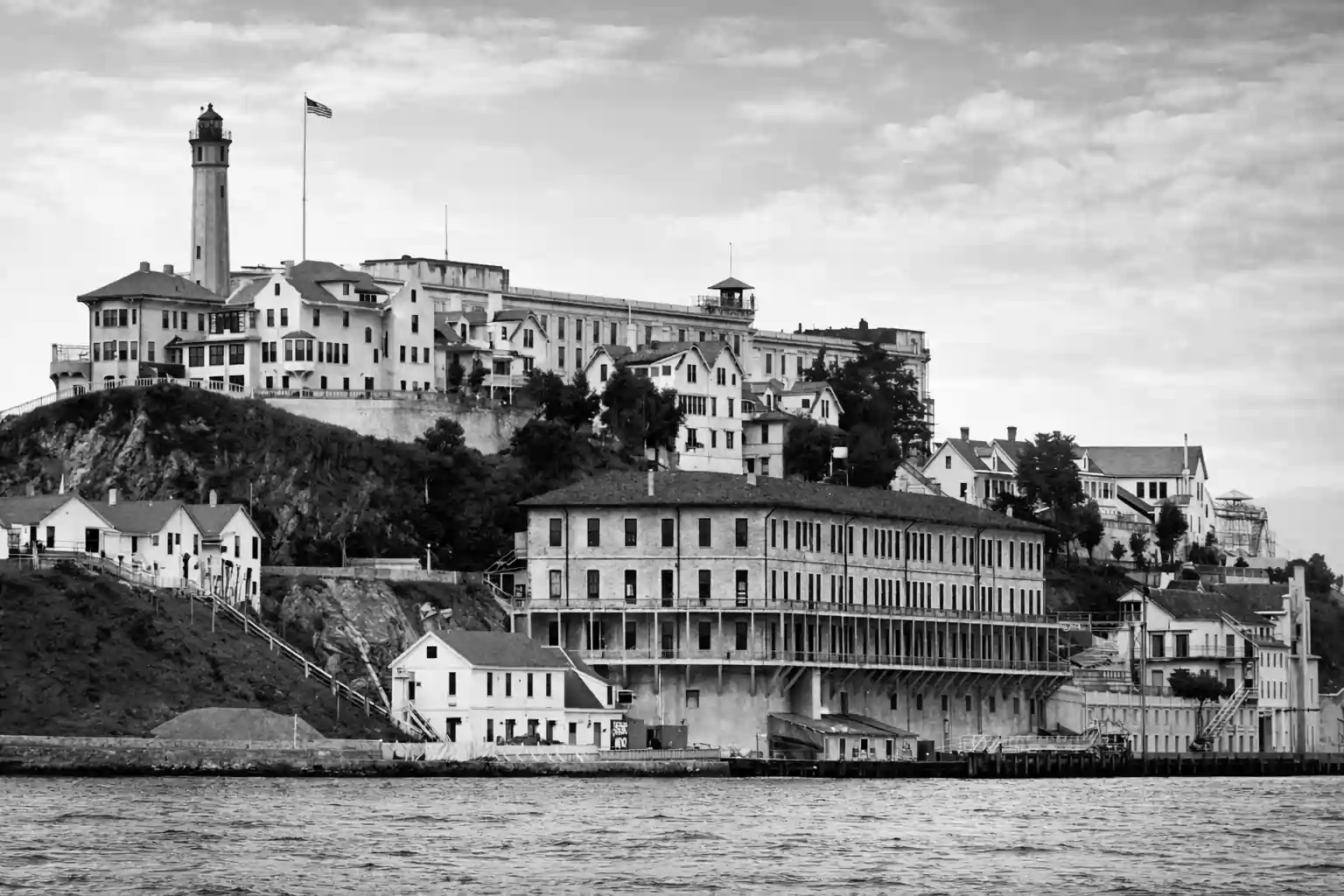
Many visitors focus only on the federal prison era, but doing that limits the experience. The island includes structures, pathways, and areas that belong to earlier phases, and skipping those means missing part of what you paid to see.
Understanding the military and early history gives context to what you see as you move across the island. It helps explain why certain areas are placed where they are and how the island developed over time.
How It Changes Your Ticket Experience
If you plan to explore only the cellhouse, a standard visit may feel shorter and more limited. However, if you understand the full timeline, you are more likely to spend additional time exploring outdoor areas and secondary sections.
This directly affects how you should plan your visit. You may want to allow extra time, choose a later return ferry, or pick a time slot that gives you flexibility.
Knowing the history before you arrive helps you use your ticket more effectively instead of rushing through the main attraction.
The Federal Prison Era: What You Are Actually Paying to See

Why Alcatraz Became a Maximum Security Prison
By the early 1930s, the United States needed a prison that could handle inmates who were difficult to control, prone to violence, or known for repeated escape attempts. Standard facilities were not built for that level of risk, and public pressure was increasing due to the visibility of organized crime.
Alcatraz offered a practical solution because of its isolation and existing infrastructure. Its location made access controlled, and the island environment itself added an extra layer of security.
In 1934, the Federal Bureau of Prisons officially opened Alcatraz as a maximum security facility. The goal was not to house large numbers of inmates but to create a controlled environment for a smaller group of high-risk prisoners.
The design focused on discipline. Cells were compact, movement was restricted, and privileges were limited. Every part of the system was intended to reduce opportunities for disruption.
What Makes This Part of the History Important for Visitors
This phase is the core of what most visitors come to experience. The cellhouse, the corridors, and the layout you walk through during the tour all belong to this period.
When you book a ticket, you are primarily paying for access to this section of history. The audio tour, the preserved cells, and the structure of the prison are all built around how the facility operated between 1934 and 1963.
Understanding this helps set expectations. You are not visiting a recreated attraction. You are walking through the original environment where these events took place.
Famous Inmates and What Their Stories Add to the Tour
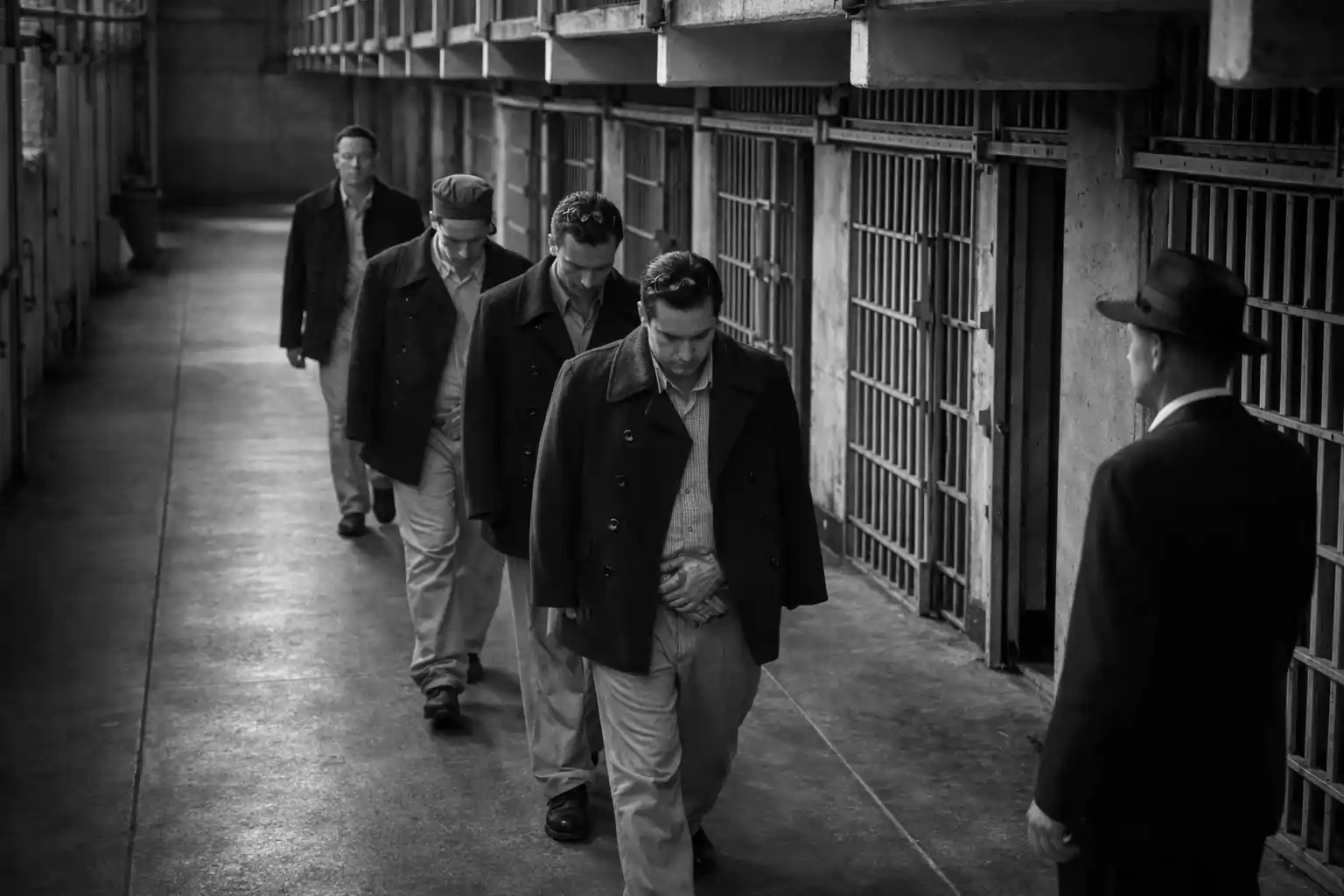
Names You Will Hear During the Visit
Certain inmates are frequently mentioned because their stories help explain how the prison operated and why it gained national attention.
Al Capone is one of the most recognized names associated with Alcatraz. He arrived shortly after the prison opened and quickly learned that influence did not carry the same weight inside this facility.
George “Machine Gun” Kelly is another name you may hear during the tour. His reputation was widely known, but his time at Alcatraz was relatively controlled compared to his public image.
Robert Stroud, often called the Birdman of Alcatraz, is also referenced during the audio narration. Many visitors expect to hear about birds, but that part of his story belongs to a different prison, not Alcatraz itself.
Why These Stories Matter During the Audio Tour
These names are not included just for recognition. They are used to explain how the prison functioned in real situations.
As you move through the cellhouse, the audio tour connects specific locations to events or individuals. This helps you understand how inmates lived, how rules were enforced, and how the system responded to different behaviors.
Knowing these names in advance allows you to follow the narration more easily instead of trying to process everything for the first time while walking through crowded areas.
Daily Life Inside the Prison: What the Tour Shows You
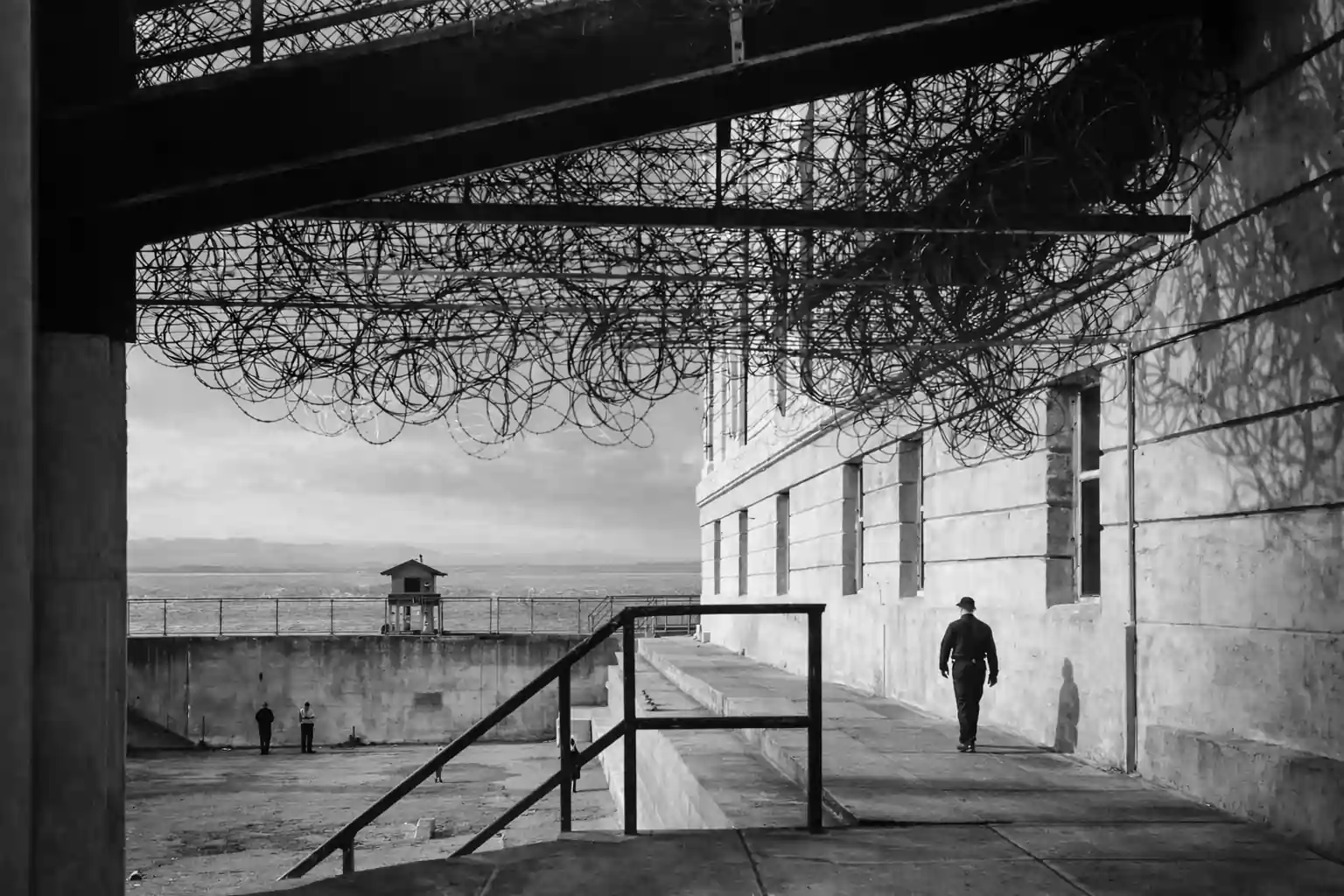
Structure and Routine
The prison operated on a strict daily schedule that controlled every part of an inmate’s day. This routine is a major focus of the audio tour and is reflected in the layout you will walk through.
Inmates were assigned small cells with limited space. Each day began with multiple counts to confirm that everyone was present. Beds had to be maintained to specific standards, and inspections were carried out regularly.
Meals were served under supervision, and the quality of food was better than many other prisons at the time. This was a deliberate decision aimed at reducing tension and maintaining order.
Work assignments were required and included tasks such as laundry, maintenance, and manufacturing. These assignments structured the day and limited idle time.
What Visitors Often Notice First
Many visitors expect the prison to feel dramatic or exaggerated, but the reality is more controlled and structured. The environment is quiet, and the layout is straightforward.
What stands out is not complexity but consistency. The same patterns repeat across cells and corridors, which reinforces the idea of routine and control.
This is where taking your time helps. Moving too quickly through the cellhouse reduces the impact of what you are seeing.
Why Alcatraz Was Considered Escape Proof
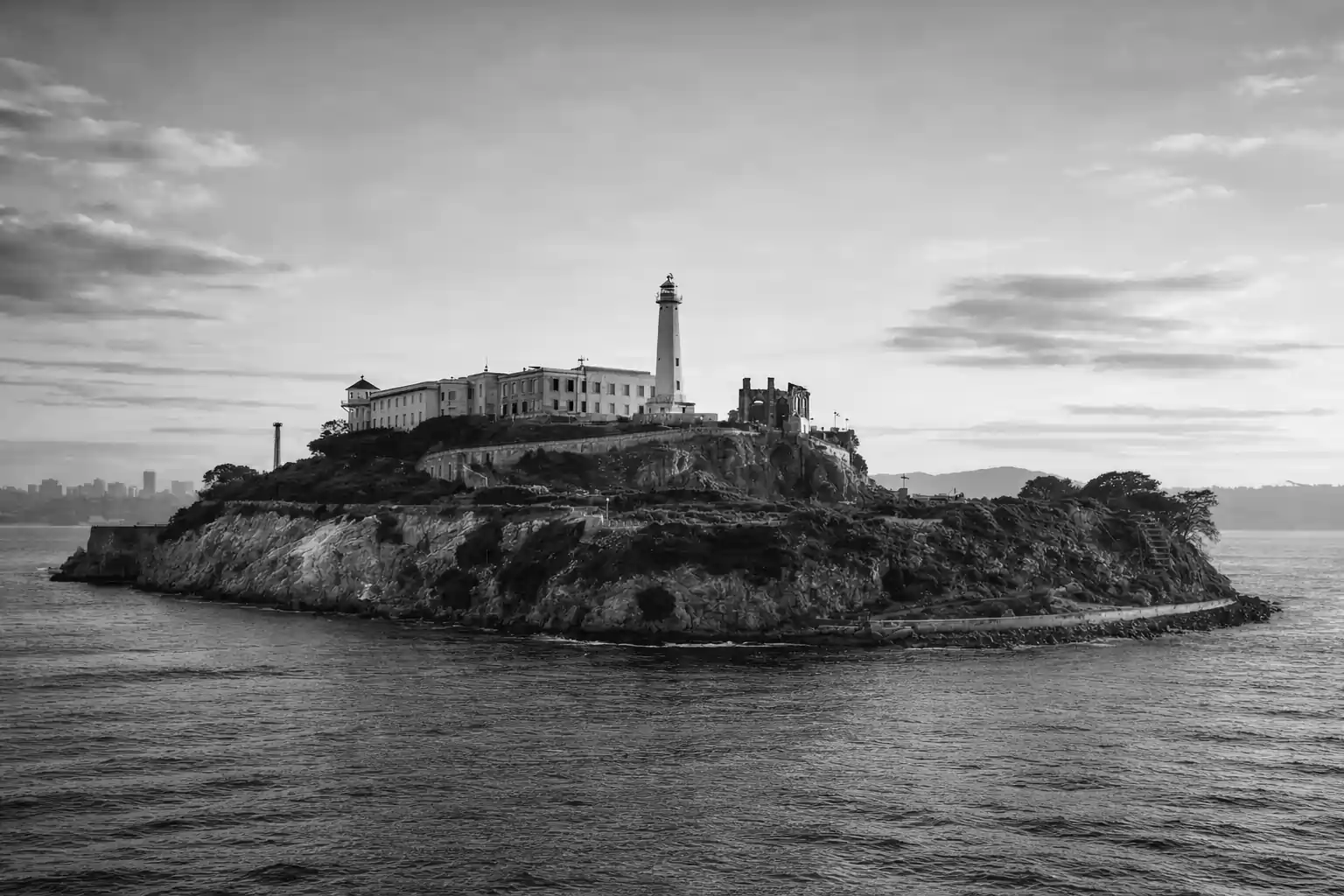
Natural Conditions That Made Escape Difficult
The island’s location played a major role in its reputation. The water surrounding Alcatraz is cold, with strong currents that can quickly pull a swimmer away from a direct path.
Although the distance to the mainland is not very large, the conditions make it much harder than it appears. Low temperatures increase the risk of fatigue, and the currents make navigation unpredictable.
These factors are often explained during the tour, especially when discussing escape attempts.
Security Inside the Prison
In addition to natural barriers, the prison itself was built to limit opportunities for escape. The cellhouse was reinforced, and access points were controlled.
Over time, improvements were made to strengthen weak areas. Monitoring systems were adjusted, and guard presence remained consistent.
The ratio of guards to inmates was higher than in most other facilities, which allowed for closer supervision and faster response to unusual activity.
The Most Famous Escape Attempt and Why It Still Matters
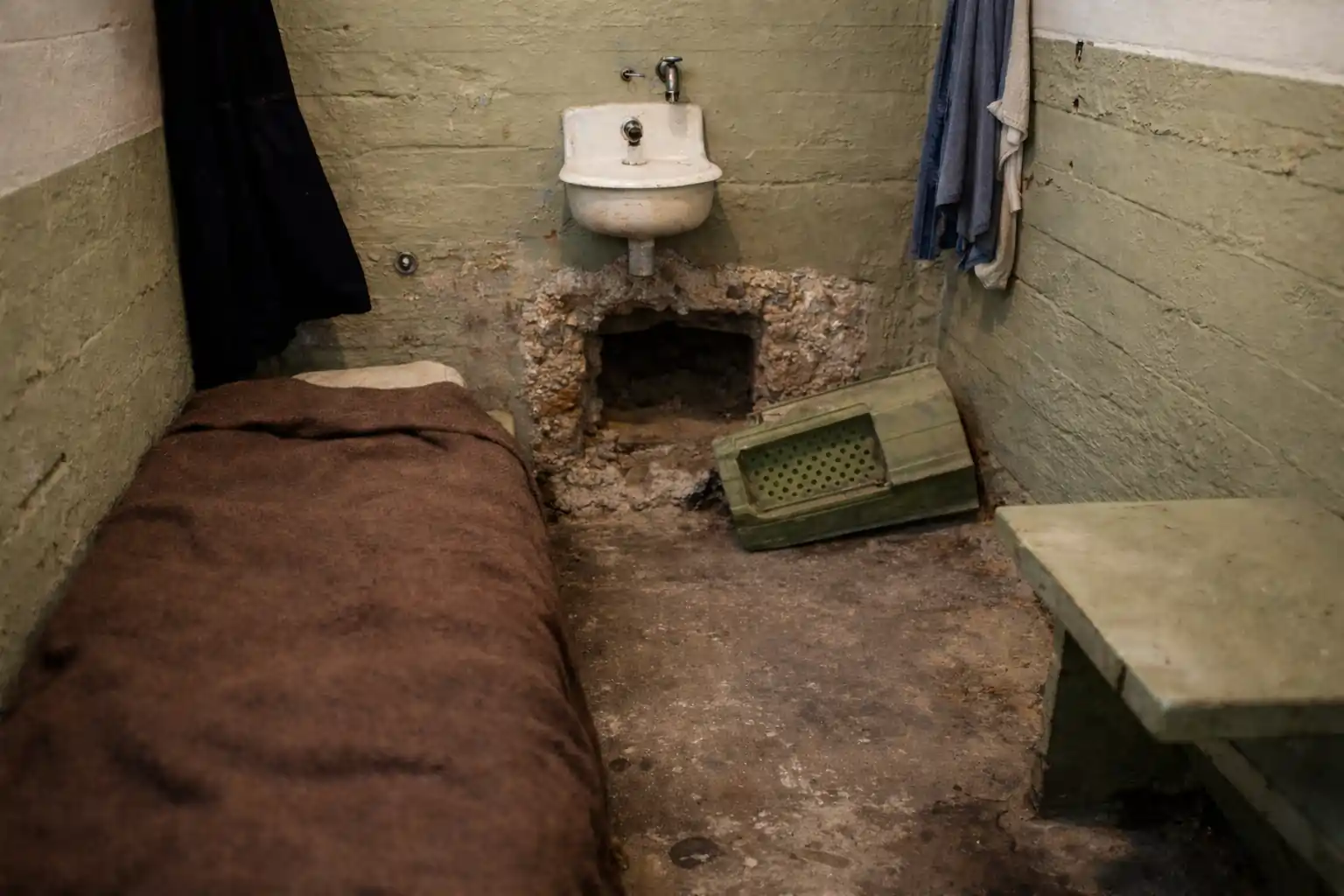
The 1962 Escape Story
The escape attempt involving Frank Morris and the Anglin brothers is the most discussed event associated with Alcatraz. It is a central part of the tour and one of the moments visitors remember most.
The plan involved months of preparation. The inmates created tools from available materials and slowly widened ventilation openings in their cells. They also used dummy heads to avoid detection during nighttime checks.
After leaving their cells, they moved through internal spaces, reached the roof, and made their way to the shoreline. From there, they launched a raft made from raincoats.
Why This Story Is Still Part of the Experience
The outcome of the escape was never confirmed. No bodies were recovered, and no verified sightings were recorded. This uncertainty keeps the story active and continues to attract attention.
During the tour, this event is used to explain both the strengths and limitations of the prison’s security. It also adds a narrative element that connects visitors more directly to what they are seeing.
In total, fourteen escape attempts took place, involving thirty-six inmates. Most were unsuccessful, but this case remains unresolved, which is why it is still discussed today.
How This Section Connects to Your Ticket Choice
Why the Day Tour Works Best for First Time Visitors
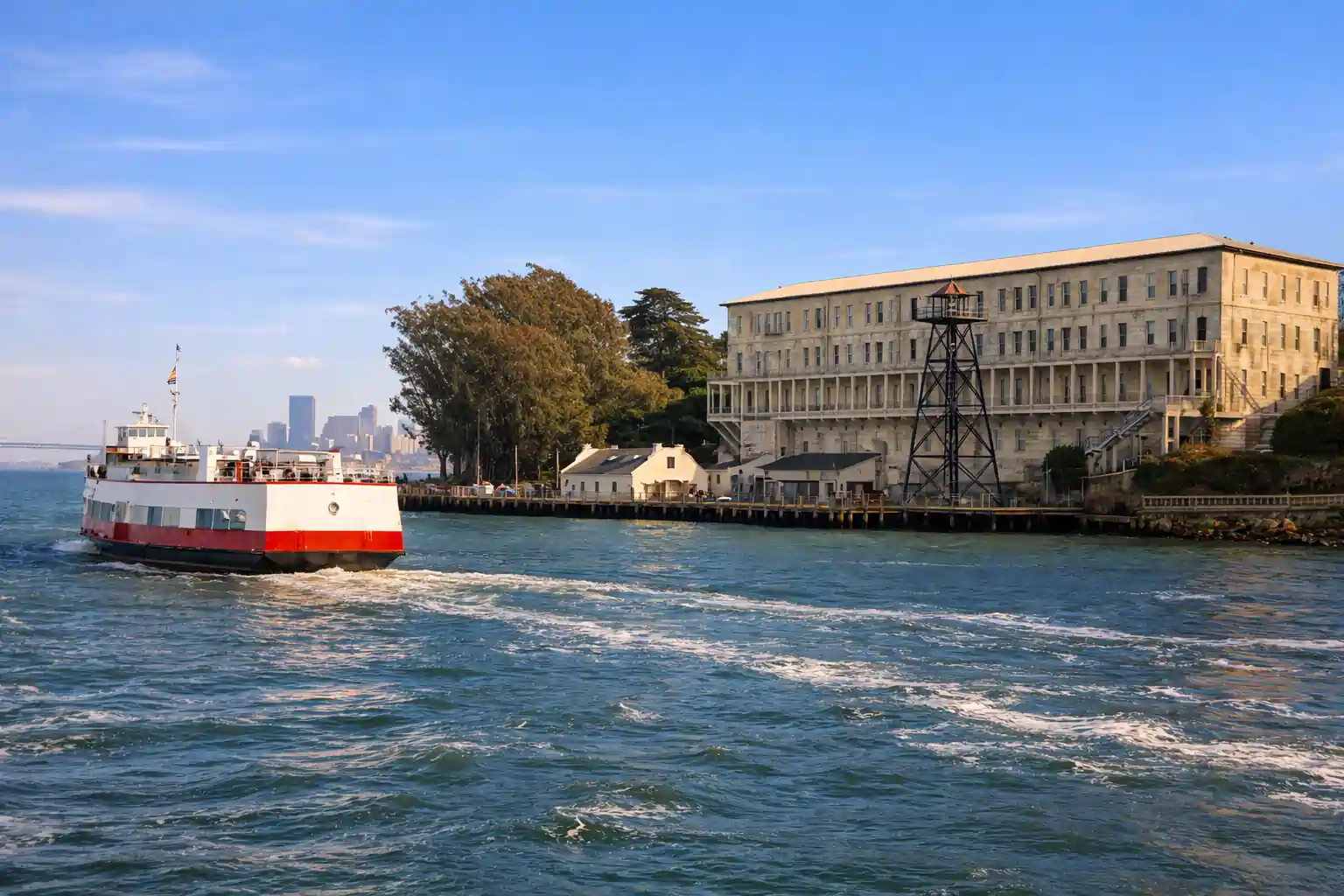
If this is your first visit, the day tour provides the clearest experience. Visibility is better, navigation is easier, and you have more flexibility to explore at your own pace.
You can move through the cellhouse without feeling rushed and take time to understand the details explained in the audio tour.
When a Night Tour Makes More Sense
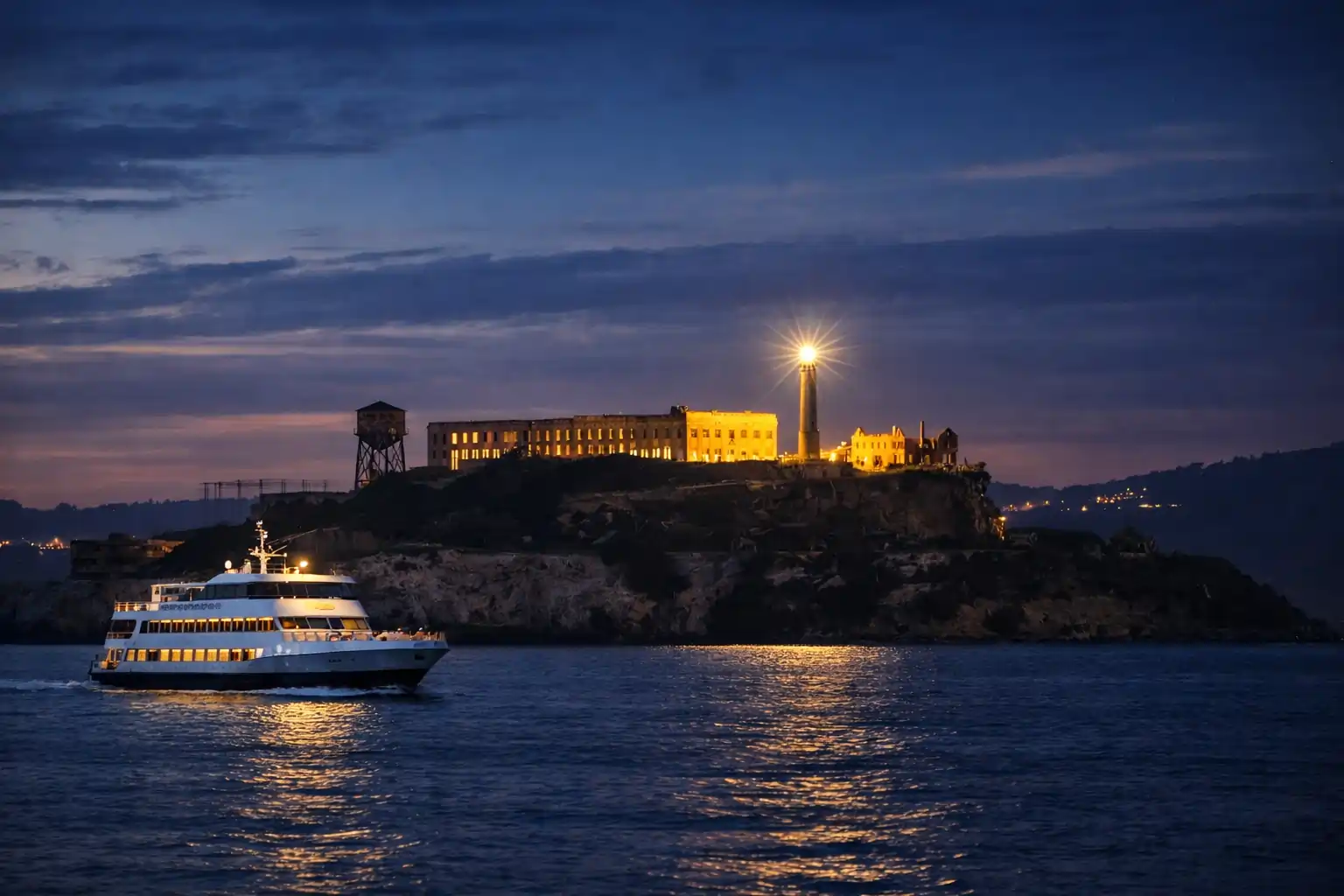
Night tours offer a different environment. With fewer visitors and lower lighting, the atmosphere becomes quieter and more focused.
This option works well if you prefer a less crowded experience or want to explore the prison in a setting that feels more intense.
However, for first-time visitors, the day tour is usually easier to follow and provides a more complete understanding of the layout.
Why Alcatraz Closed and What Happened After
Rising Costs and Practical Challenges
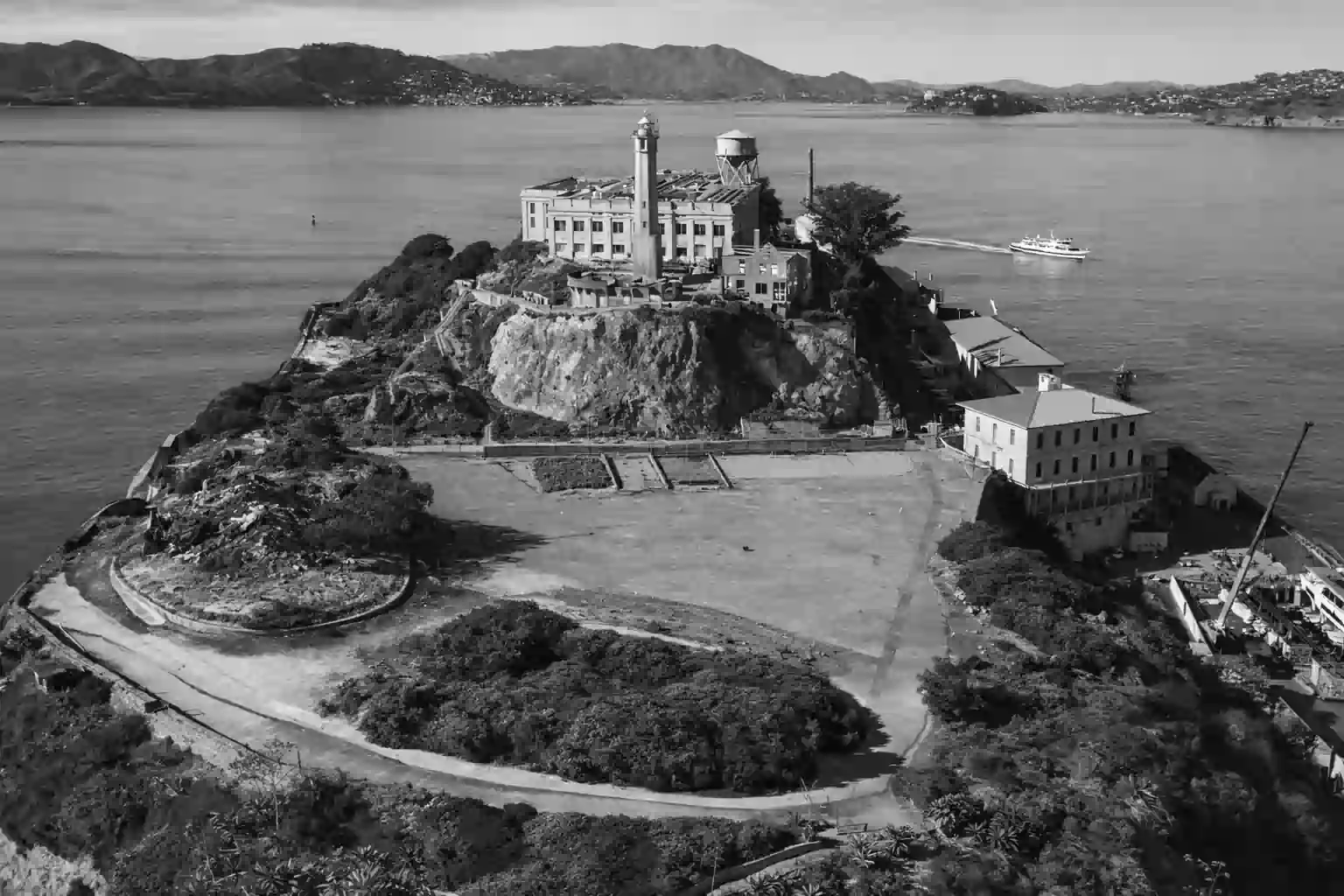
By the early 1960s, Alcatraz was no longer practical to operate as a federal prison. The issue was not security. It was cost and maintenance.
The island’s infrastructure was aging, and repairs were becoming more frequent and more expensive. Salt air from the bay accelerated corrosion, which meant buildings, pipes, and systems required constant upkeep just to remain functional.
Logistics added another layer of difficulty. Everything needed for daily operations had to be transported by boat. This included food, fuel, and even fresh water, since the island did not have a natural supply.
When these factors were compared to mainland facilities, the difference was clear. Operating Alcatraz cost roughly three times more per inmate than other federal prisons.
The Decision to Close the Prison
In 1963, the federal government decided to shut down the facility. Attorney General Robert Kennedy approved the closure, and the final inmates were transferred off the island in March.
The prison officially closed on March 21, 1963. After that, the island remained unused for several years. Buildings began to deteriorate, and there was no clear plan for what would happen next.
For a period, Alcatraz existed in a state of uncertainty. That phase did not last long, and what followed became one of the most important parts of its modern history.
The Native American Occupation: Why It Still Matters Today
What Happened Between 1969 and 1971
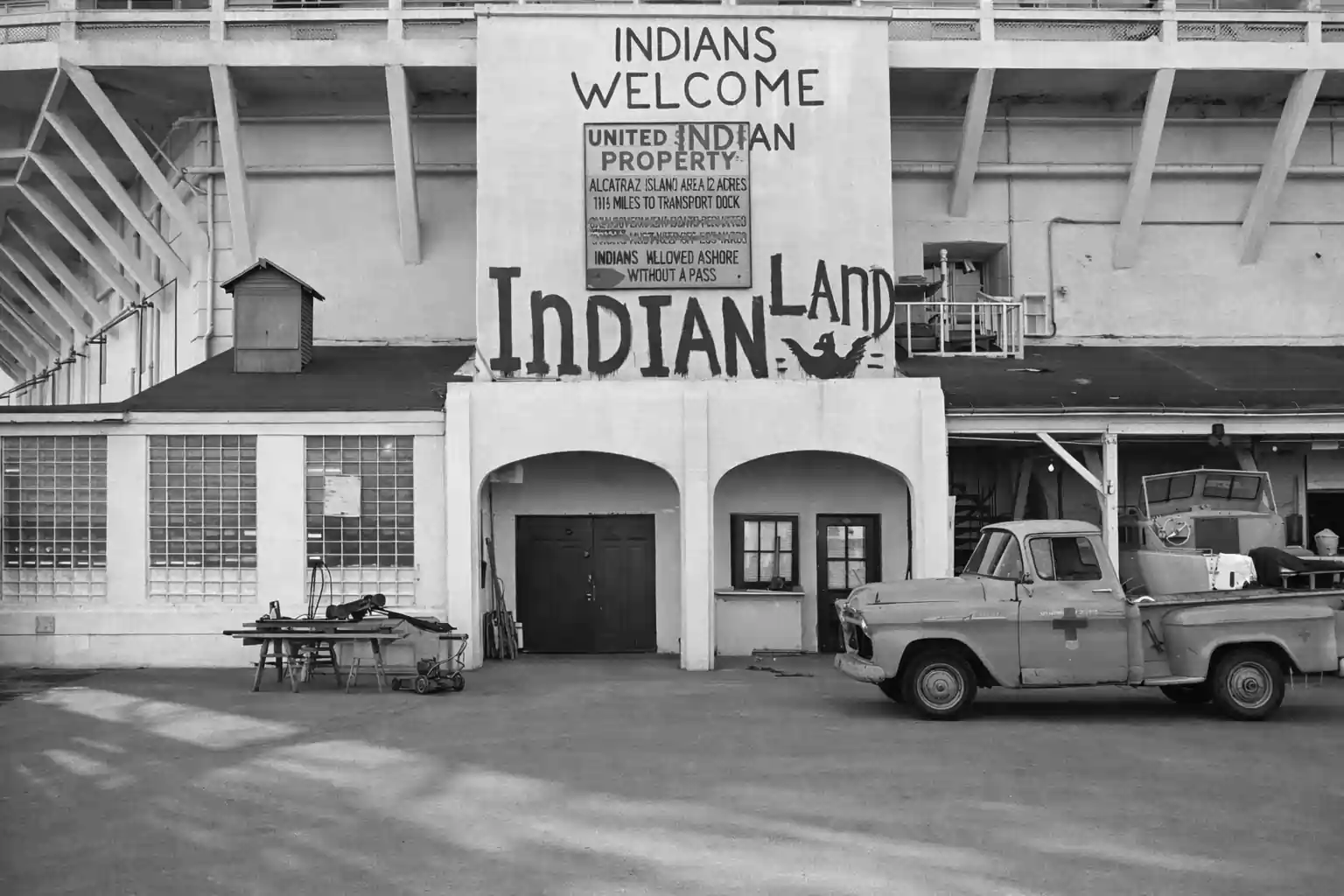
In November 1969, a group of Native American activists arrived on the island and began an occupation that lasted nineteen months. The group called themselves Indians of All Tribes, and their goal was to reclaim the land based on existing treaty rights.
They argued that unused federal land should be returned to Native communities and proposed turning Alcatraz into a cultural and educational center.
The movement quickly gained attention across the country. At its peak, hundreds of people participated, and the island became a focal point for discussions about Native American rights.
What Visitors Can Learn From This Chapter
During the occupation, the group created a functioning community on the island. They established basic services such as a school and a health clinic and used radio broadcasts to share their message.
Although the occupation ended in 1971 when federal authorities removed the remaining participants, its impact continued beyond the island. It influenced public awareness and contributed to policy changes related to Native American self determination.
Many visitors overlook this part of the story, but it adds an important layer to the experience. It shows that Alcatraz was not only a prison but also a site of political action and cultural significance.
Alcatraz Today: What Your Ticket Actually Includes
Transition to a Historic Site
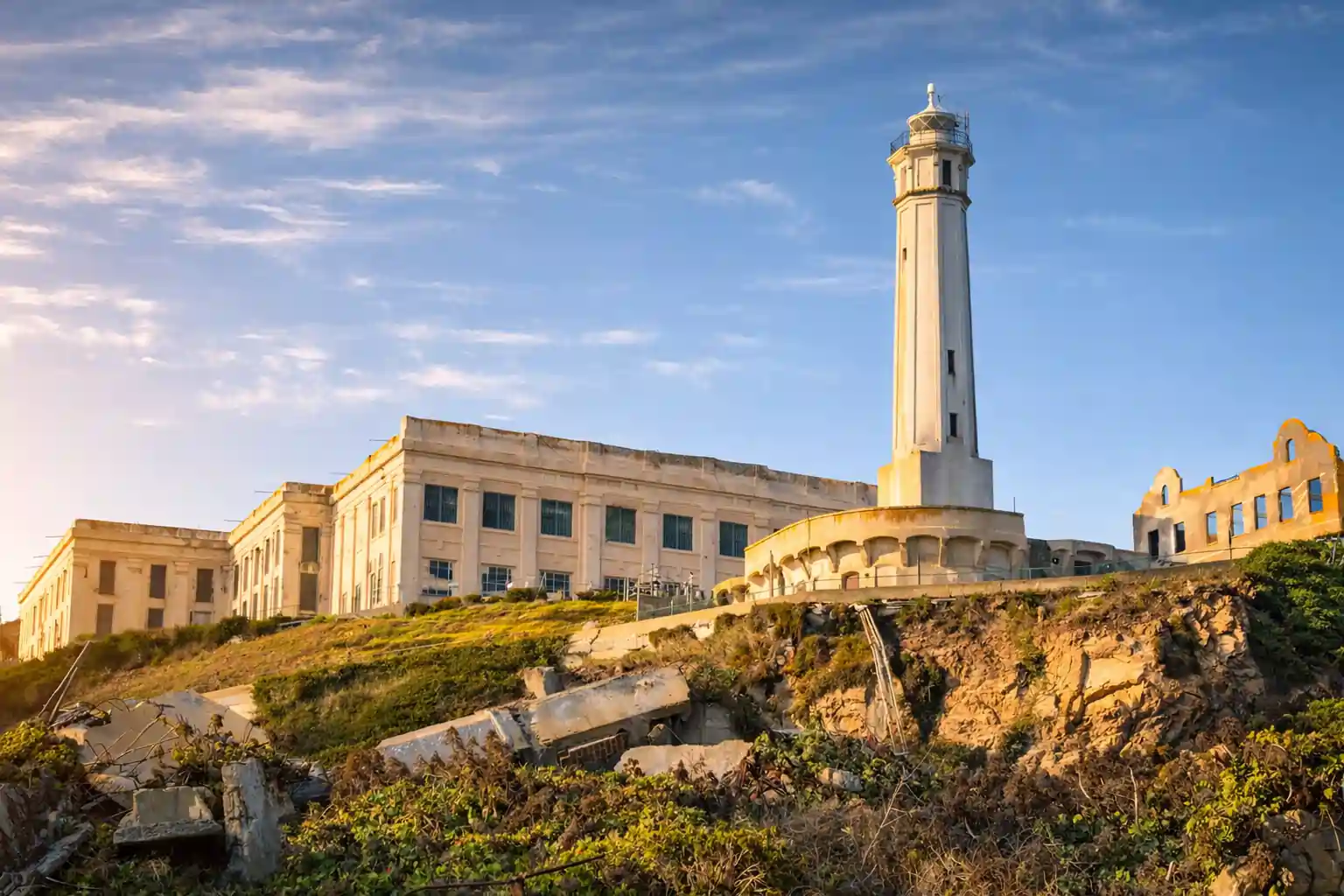
In 1972, Alcatraz became part of the Golden Gate National Recreation Area and came under the management of the National Park Service. This marked the start of its role as a public historic site.
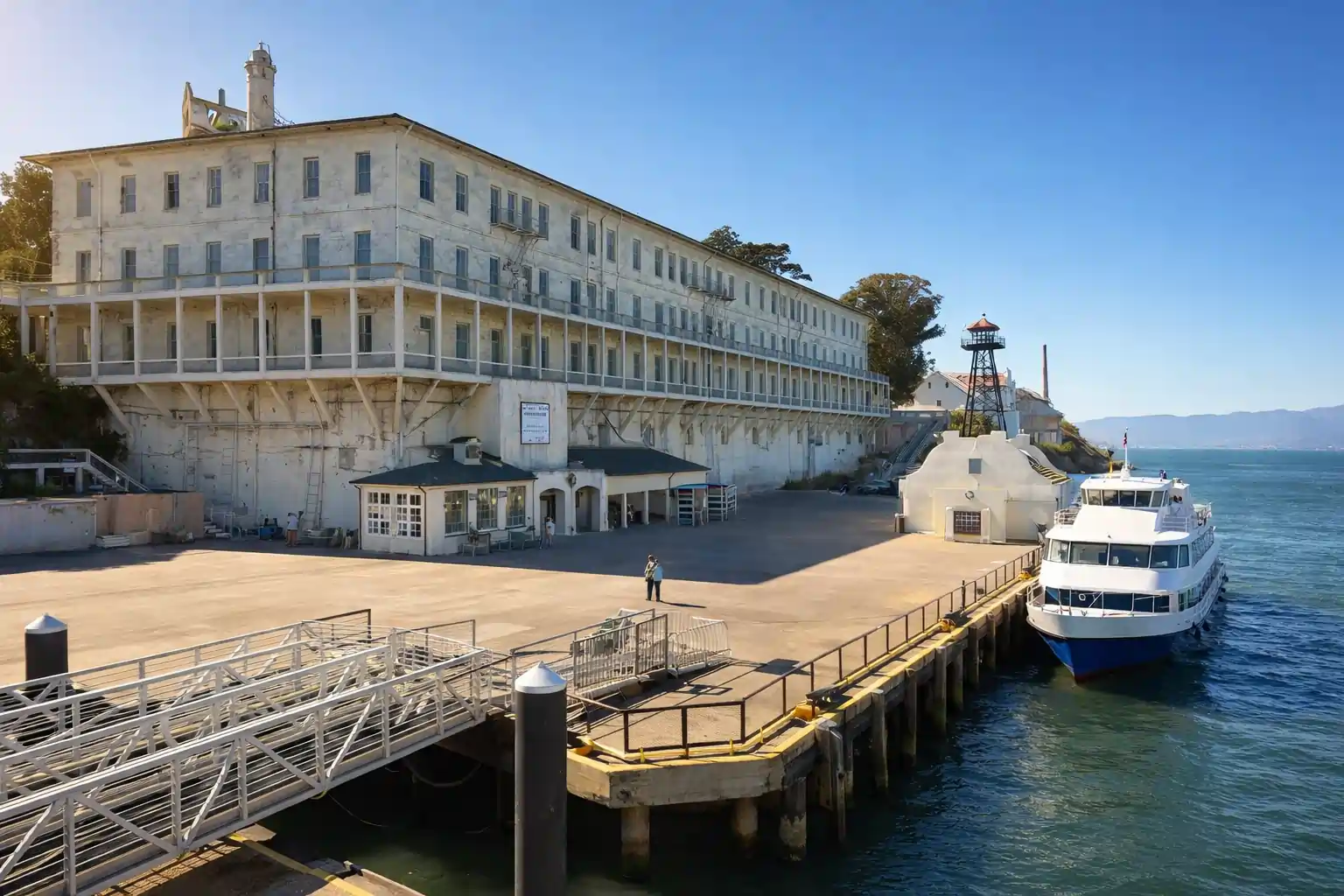
Today, more than a million visitors come to the island each year. The experience is structured, but it also allows flexibility, which is why planning your time properly makes a difference.
What You See During the Visit
When you arrive on the island, the main focus is the cellhouse. This is where the audio tour takes place and where most visitors spend the majority of their time.
The audio guide is built around real accounts from former inmates and guards. It connects specific locations to events and routines, which helps you understand how the prison functioned.
However, the visit does not end with the cellhouse. The island includes additional areas that many visitors either rush through or skip entirely.
You will find:
Military structures from the earlier fort period
Residential buildings where staff families lived
Gardens that were restored after years of neglect
Walking paths that offer views of the bay and the city
Spending time in these areas gives you a more complete understanding of the island. It also helps you get full value from your ticket instead of focusing only on the main attraction.
How to Use Your Time More Effectively
If you plan your visit without considering these additional areas, you may finish earlier than expected and feel like you missed something.
To avoid that, allow extra time after the cellhouse tour. Walk through the outdoor sections, stop at viewpoints, and explore areas that are less crowded.
This approach changes the experience from a short visit into a more complete exploration.
Planning Your Visit Based on This History
Booking Strategy
Understanding the island’s history helps you choose the right ticket and timing.
Book your tickets in advance because availability is limited. Waiting too long often results in fewer time options and less flexibility.
Choose a time slot that gives you enough space in your day. If your schedule is tight, you are more likely to rush through the experience.
Choosing Between Day and Night Tours
Day tours are the most practical option for first-time visitors. Visibility is better, navigation is easier, and you can explore at your own pace without pressure.
Night tours offer a different environment. With fewer visitors and lower lighting, the experience feels quieter and more focused. This can make the prison feel more intense, but it also reduces visibility in certain areas.
Your choice should depend on how you prefer to explore. If clarity and flexibility matter more, choose a day tour. If you prefer atmosphere and fewer crowds, a night tour may be a better fit. To experience the restricted area of Alcatraz, you can take a behind-the-scenes tour.
Key Timeline to Understand Before Your Visit
Major Events That Shaped the Island
1775: The island is documented and named during a Spanish survey
1850: It is designated for military use by the United States
1934: It becomes a federal prison
1962: The most famous escape attempt takes place
1963: The prison closes
1969 to 1971: Native American occupation
1972: The island becomes a protected historic site
These events form the structure of the story you will experience during your visit. Knowing them in advance helps you connect different parts of the island as you move through it.
Final Perspective Before You Book
Alcatraz is often treated as a single attraction, but in reality, it is a combination of multiple historical phases that exist in one place.
If you approach it only as a prison tour, you will see the main highlights but miss a large part of what makes the island unique. If you understand the full timeline, you are more likely to explore beyond the obvious areas and get more value from your ticket.
The difference comes down to preparation. A small amount of context before you visit leads to a more complete experience once you arrive.
Frequently Asked Questions
What is the history of Alcatraz Island in simple terms?▾
What was Alcatraz used for before it became a prison?▾
Why is it important to know Alcatraz's history before visiting?▾
What part of Alcatraz do visitors mainly see today?▾
How long should you spend on Alcatraz Island?▾
What is the best way to explore Alcatraz Island?▾
What is the difference between the Alcatraz day tour and the night tour?▾
Why did Alcatraz prison close in 1963?▾
What happened on Alcatraz after the prison closed?▾
What are the most important events in Alcatraz's history?▾
Adrian Davis
Published on Alcatraz Island Guide


