Life on Alcatraz: What Most Visitors Don’t Plan to See
The Story You Don’t Think About When Booking Tickets
When you book an Alcatraz ticket, you’re usually focused on one thing and that is the prison.
You’re thinking about the cellhouse, the audio tour, and the stories of inmates that define the island’s reputation. That’s the core experience, and it’s the reason most visitors come.
But there’s another layer to Alcatraz that rarely factors into booking decisions.
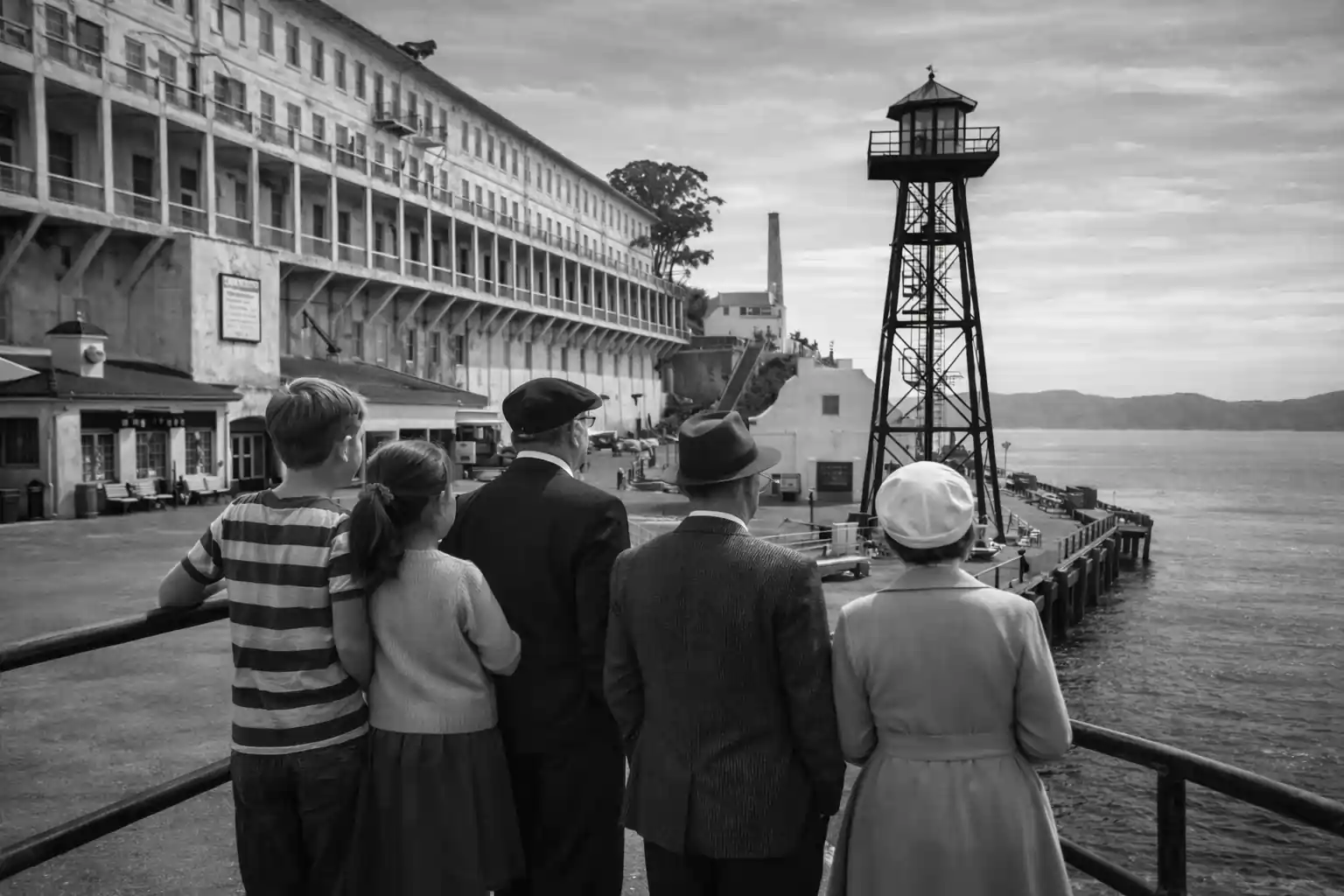
For nearly 30 years, this island wasn’t just a federal penitentiary. It was also a working residential community where families lived, children grew up, and daily routines unfolded just a short distance from the prison itself.
If you don’t know this before your Alcatraz tour, you’ll likely miss it completely, even though you’ll walk right past the spaces where it all happened.
Why This Matters When Planning Your Visit
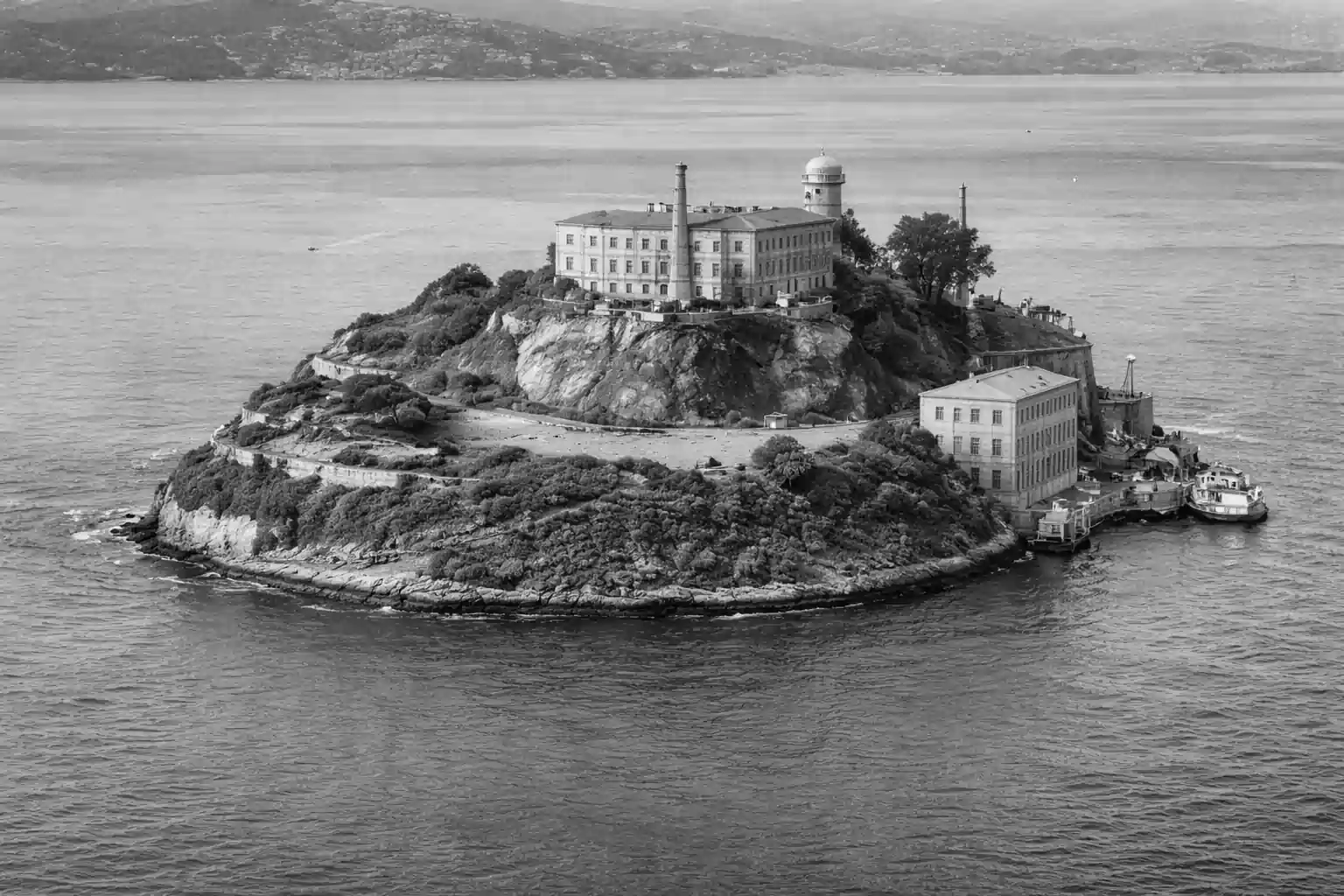
Most ticket planning focuses on timing, ferry slots, and the prison experience.
That makes sense, but it creates a narrow view of what Alcatraz offers.
If you only plan for the cellhouse, your visit will feel structured and complete, but limited to one perspective. The residential history doesn’t require extra access or a special ticket, but it does require awareness and time.
This is where planning makes a difference.
Visitors who know about this side of Alcatraz ahead of time tend to:
Spend more time exploring beyond the main route
Notice the details others walk past
Leave with a more complete understanding of the island
Without that awareness, most people follow the main path and leave without realizing what they missed.
A Quick Look at Life on Alcatraz

Between 1934 and 1963, Alcatraz operated as both a prison and a small, self-contained community.
Staff were required to live on the island, and many brought their families with them. Over time, the island developed the infrastructure needed to support daily life, creating an environment that functioned more like a small town than a remote facility.
At its peak, around 300 civilians lived on Alcatraz, including children.
The island included:
Residential apartments
A social hall for gatherings
A bowling alley and recreation spaces
A small store for daily needs
A ferry system connecting to San Francisco
Despite its setting, life followed a routine that residents often describe as stable, social, and surprisingly normal.
What Daily Life Looked Like
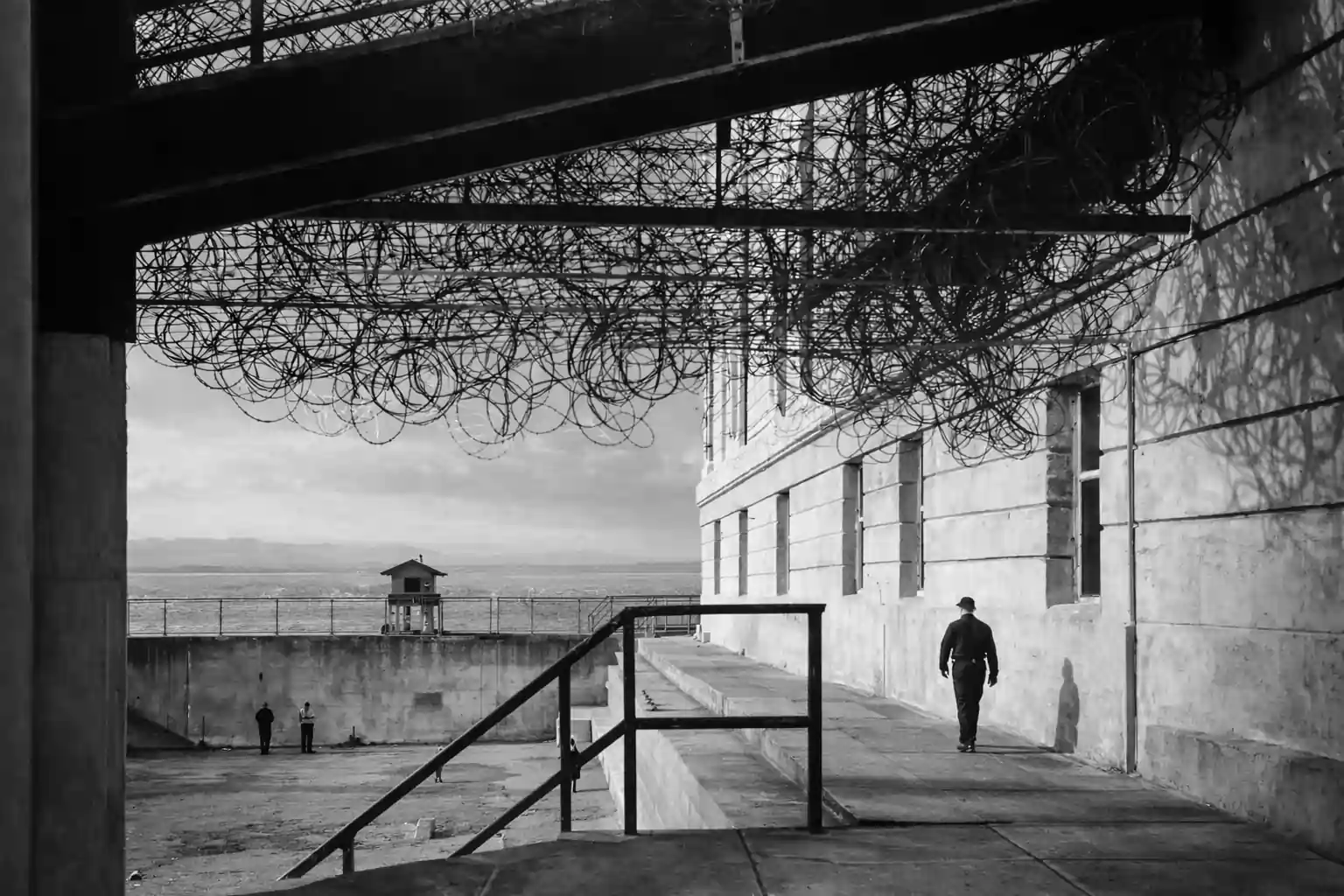
Daily life on Alcatraz was shaped by both structure and isolation, creating a routine that was consistent but different from anything on the mainland.
Children who attended school traveled to San Francisco by ferry each day, returning in the afternoon. Over time, this commute became a normal part of life rather than something unusual.
For younger children, the island itself became their entire environment during the day.
With no traffic and limited outside interaction, the island provided a level of freedom that is difficult to find in most urban settings. Open spaces, shoreline areas, and hills became part of daily play, and the small number of residents meant that friendships formed quickly and naturally.
Evenings were social and community-driven.
Families gathered, conversations extended across households, and children played together until the day came to a natural end. The small size of the population created a sense of familiarity that shaped how people interacted.
It was a contained environment. But it was also a connected one.
The Role of the Prison in Everyday Life
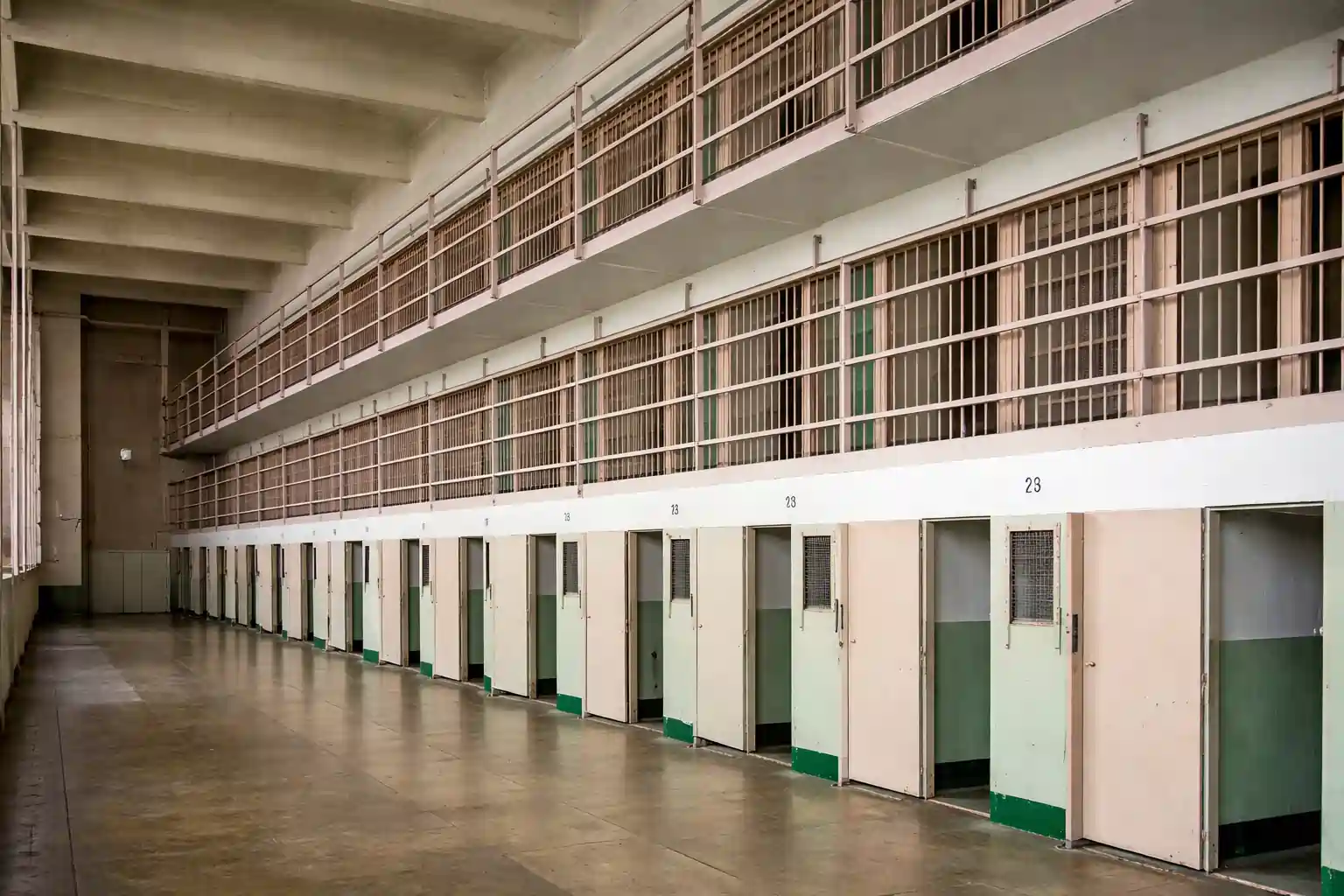
One of the most common questions visitors have is how the presence of the prison affected daily life.
The answer is more nuanced than most expect.
Residents were fully aware of the prison and its purpose, but their lives were structured in a way that kept it separate from their daily routines. Security was strict, and boundaries were clearly defined, ensuring that interaction between families and inmates did not occur.
What remained was a background awareness rather than constant tension.
At times, especially during quieter moments, subtle sounds from the prison could be heard across the island. These sounds were not dramatic, but they reinforced the presence of something larger happening nearby.
Over time, this became part of the environment.
Something acknowledged, but not central to everyday life.
Why Most Visitors Miss This Side Completely
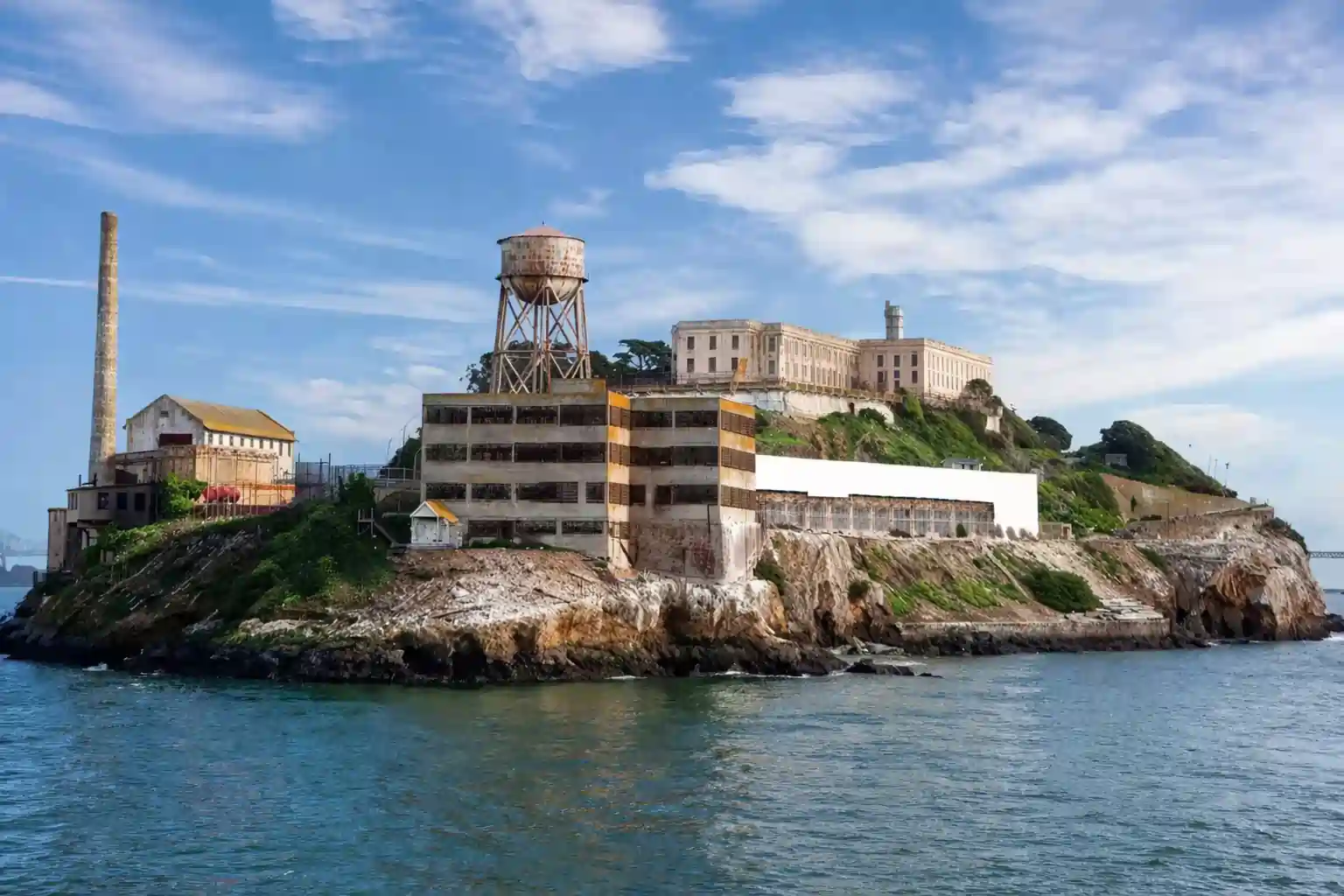
The reason this part of Alcatraz is overlooked has less to do with access and more to do with focus.
When visitors arrive, they are guided toward the main experience of Alcatraz, the prison. The route is clear, the narrative is structured, and the attention naturally follows that path.
By the time the cellhouse tour is complete, many visitors feel they have seen what they came for. At most, they will visit the Alcatraz gardens, take photos and
At that point, anything outside the main route becomes optional.
And when time is limited, the optional is often skipped.
How to Include This in Your Visit Without Changing Your Ticket
You don’t need a different ticket or an upgraded experience to explore this side of Alcatraz.
What you need is a small shift in how you plan your time.
Allow at least 2.5 to 3 hours total on the island
Explore beyond the main prison route
Pay attention to lower areas and residential remnants
Take time after the cellhouse instead of heading back immediately
These adjustments don’t change your booking.
They change what you get from it.
What It Actually Felt Like to Live There
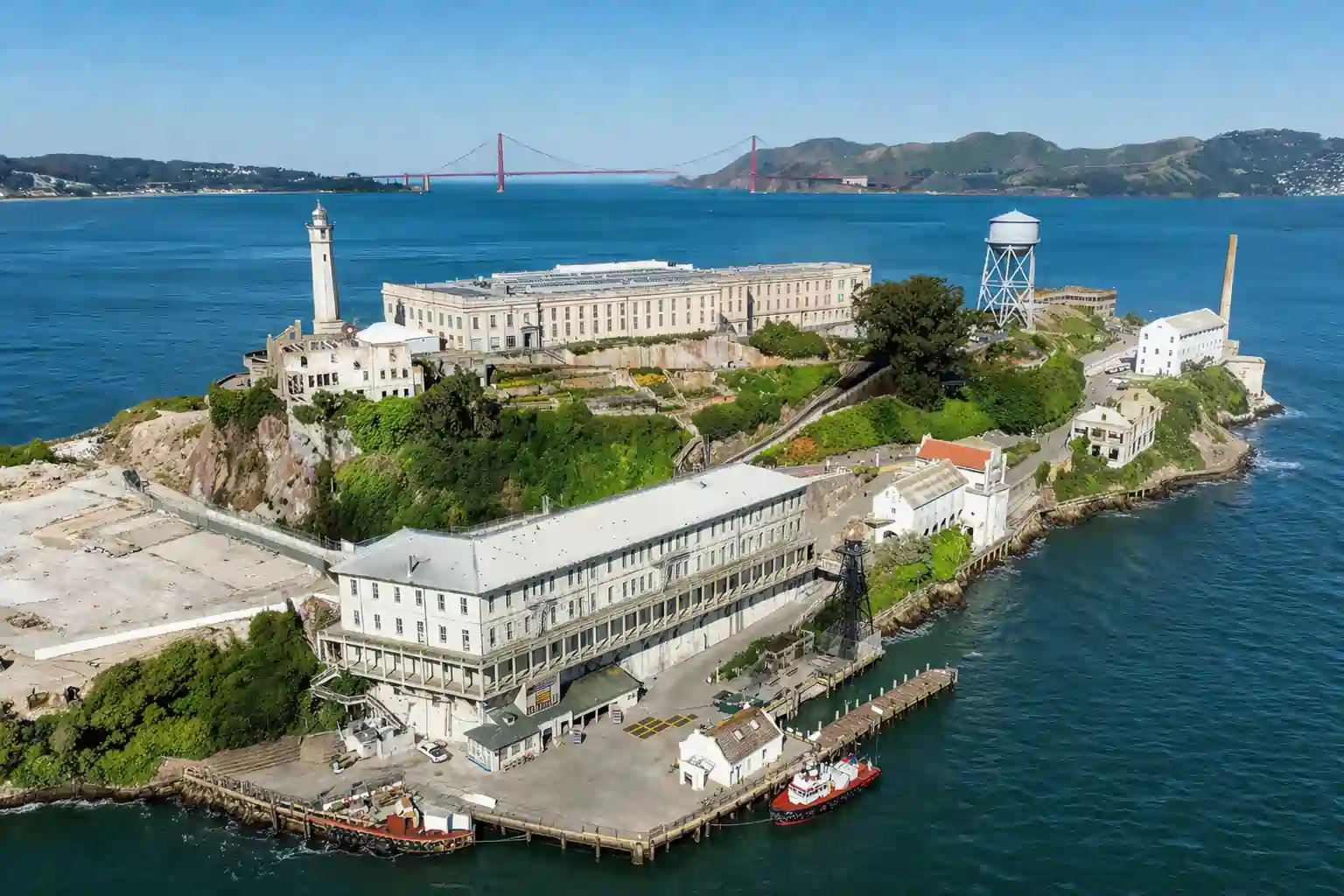
Understanding the residential side of Alcatraz isn’t just about knowing that families lived there. It’s about understanding how that life felt on a daily level, because that’s what changes how you experience the island today.
For the children who grew up on Alcatraz, the environment didn’t feel restrictive or unusual. It felt consistent and familiar.
The island itself became their everyday space.
They explored the shoreline, climbed over rocks, and spent long stretches of time outdoors. There were no crowded streets or outside distractions, which meant most activities were shaped by the landscape itself. Over time, this created a rhythm that felt natural rather than limited.
Because the number of families was small, relationships developed quickly.
Children grew up together, often forming close bonds simply because there were few alternatives. That sense of familiarity extended beyond friendships and into the entire community, shaping how people interacted and supported one another.
It wasn’t a large or diverse environment.
But it was a stable one.
A Community Built on Routine and Proximity
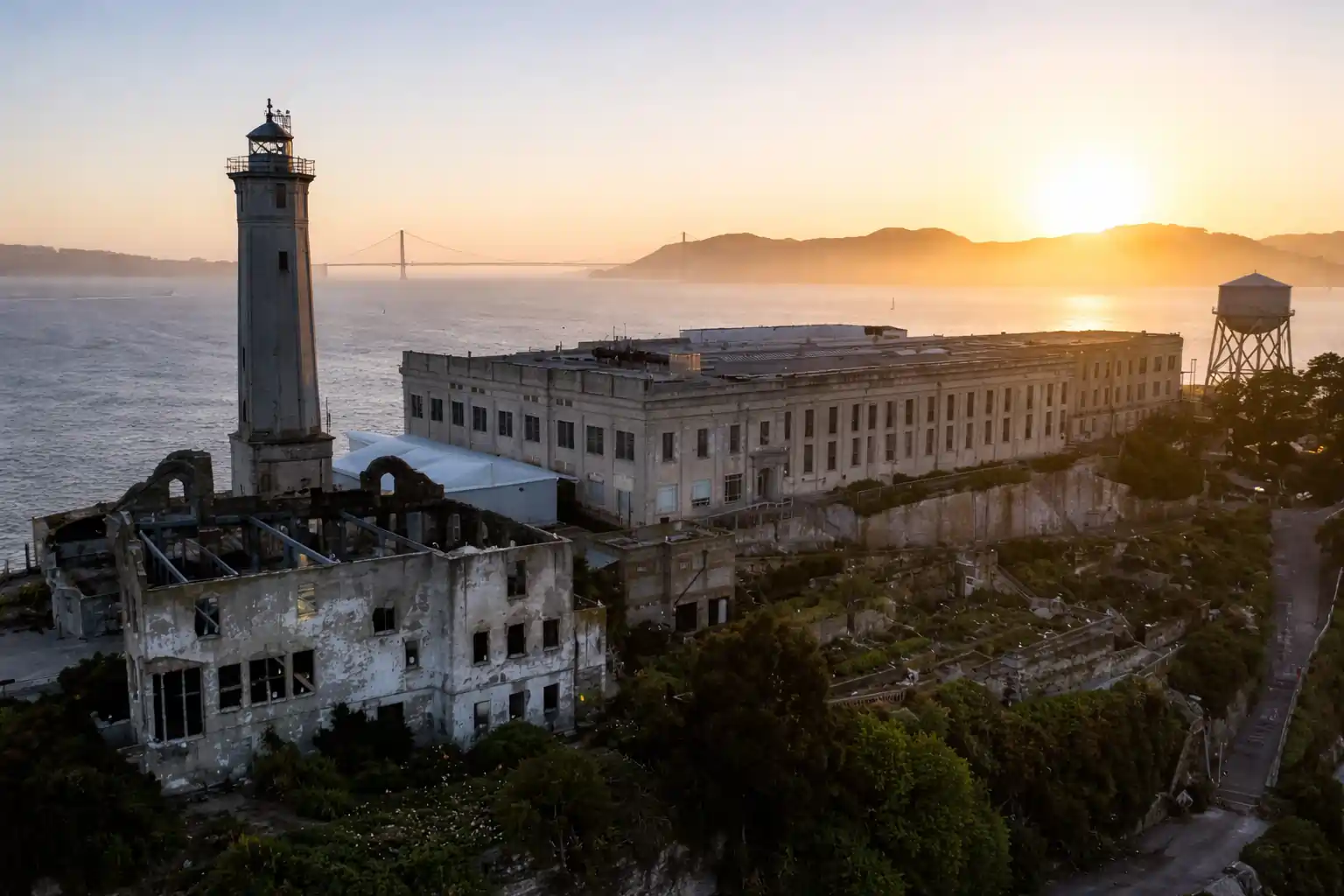
What made life on Alcatraz sustainable was not just the infrastructure, but the way people adapted to it.
Daily routines created structure.
Shared spaces created connection.
Because everyone lived within the same limited area, interactions were frequent and familiar. Families saw each other regularly, whether during planned events or casual evenings. The social hall became a central point for gatherings, while recreational areas added a sense of normal daily life that balanced the isolation of the setting.
This created an environment where people relied on each other more than they might in a typical city.
There was no anonymity.
Everyone knew who you were.
That level of closeness is rare, and it shaped how residents remember their time on the island.
Isolation That Shaped Daily Life

From a visitor’s perspective, Alcatraz feels close to San Francisco.
From a resident’s perspective, it felt different.
The city was always visible, but access depended on the ferry. This created a practical form of isolation that influenced daily decisions in subtle but important ways.
If you missed a scheduled ferry, you waited.
If weather conditions changed, plans shifted.
Movement between the island and the mainland was reliable, but not immediate, and that distinction shaped how residents approached time and planning.
At the same time, the island itself offered a strong sense of internal connection.
Within its boundaries, life was predictable and shared. Outside those boundaries, everything required effort and coordination.
This balance between connection and separation defined the experience of living there.
How the Prison Fit Into That Experience
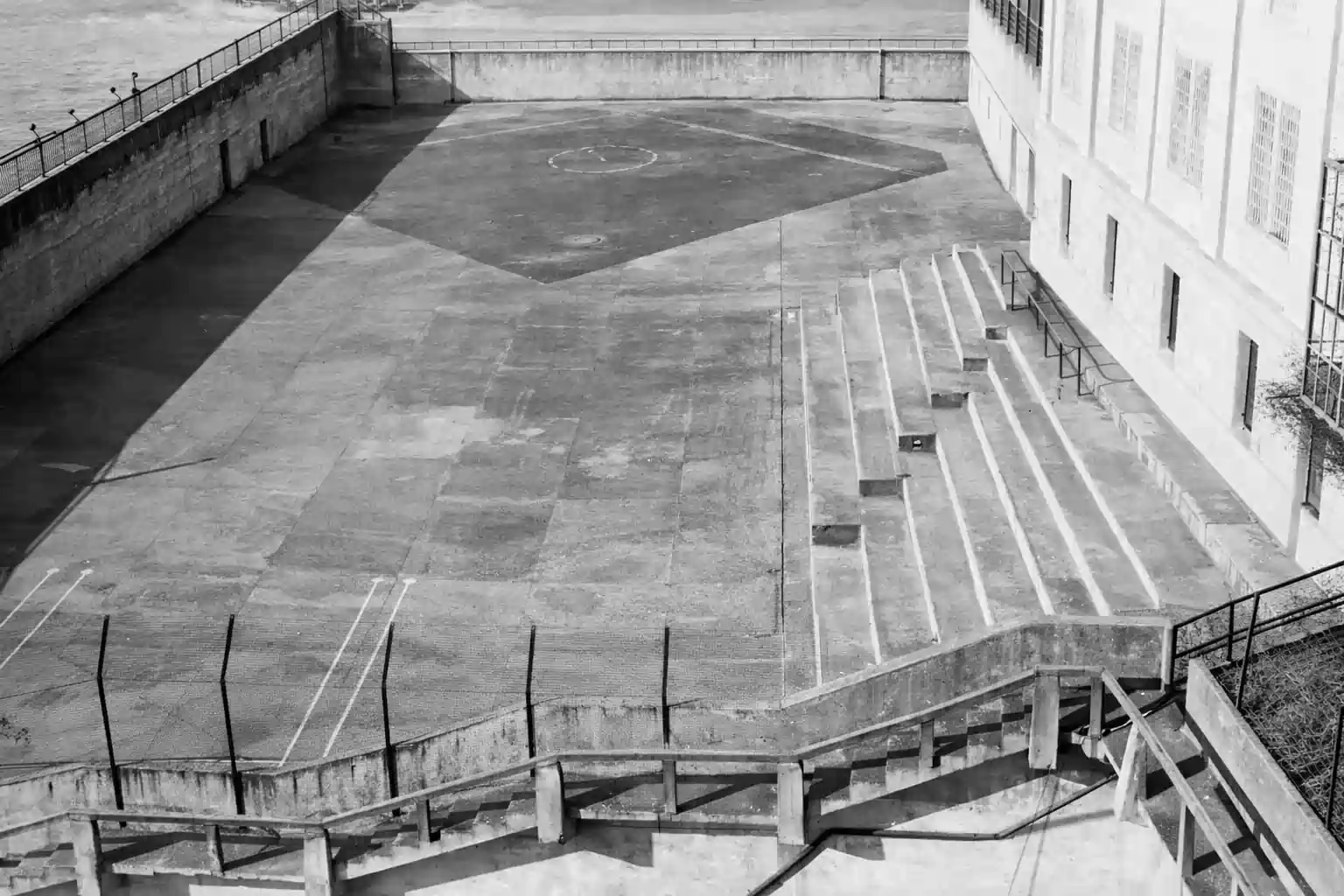
From the outside, it’s easy to assume that the prison dominated daily life.
In reality, it existed alongside it.
Residents understood what the prison was and what it represented, but their daily routines were structured in a way that kept it separate. Security measures ensured that the prison and residential areas did not overlap, and direct interaction between families and inmates was essentially nonexistent.
What remained was a quieter, indirect awareness.
At certain times, particularly at night, sounds from the prison could be heard faintly across the island. These sounds didn’t disrupt daily life, but they reinforced the presence of something significant happening nearby.
Over time, this awareness became part of the environment rather than a source of tension.
It was something residents understood, but did not constantly focus on.
Why This Context Matters for Your Ticket Experience
Most visitors move through Alcatraz in a structured way.
You arrive, follow the path to the cellhouse, complete the audio tour, and begin heading back toward the ferry. That route works well, but it limits your experience to one perspective.
Understanding the residential history changes how you use your time.
Instead of moving directly from the prison back to departure, you start looking at the island more closely. You notice areas that are not part of the main narrative. You recognize that certain structures, paths, and open spaces once had a completely different purpose.
This doesn’t require more access.
It requires more attention.
Simple Adjustments That Improve Your Visit
If you want to include this side of Alcatraz in your experience, you don’t need to change your ticket type.
You need to adjust how you move through the island.
After finishing the cellhouse, don’t head straight back
Spend time in the lower areas of the island
Look for remnants of residential structures
Slow your pace instead of following the crowd
These are small changes.
But they significantly expand what you take away from the visit.
The Difference Between Seeing and Understanding
Two visitors can take the same tour and walk the same path, yet leave with completely different impressions.
One sees the prison.
The other sees the island.
The difference comes down to context.
Once you understand that Alcatraz was not only a place of confinement but also a place where families lived and communities formed, the entire experience becomes more layered.
And that layered understanding is what makes the Alcatraz tour stay with you.
What Former Residents Remember (And Why It Matters for Your Visit)
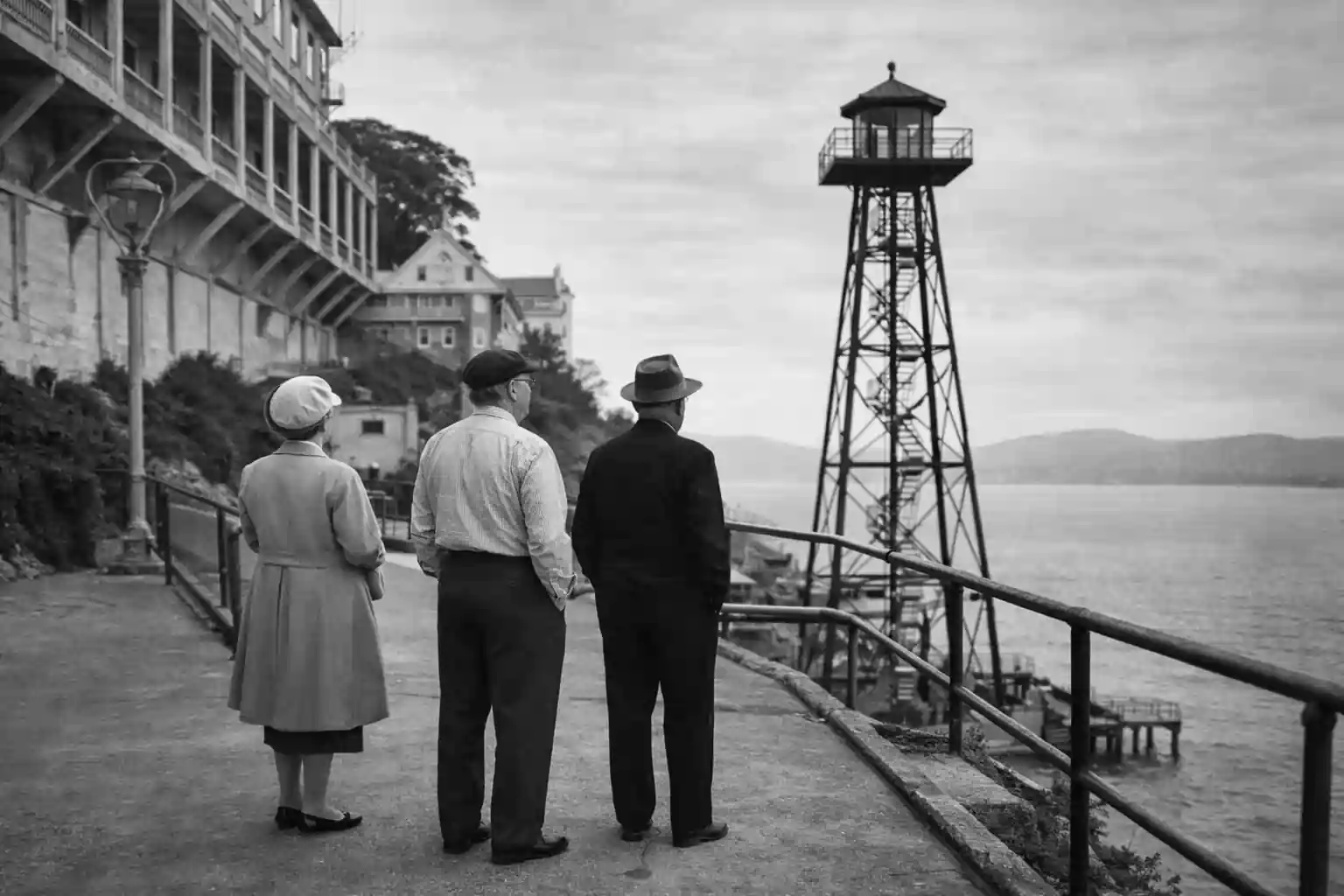
When people who grew up on Alcatraz talk about their memories, the focus isn’t what most visitors expect.
It’s not the prison.
It’s the environment.
The views across the bay, the way the light changed throughout the day, and the quiet that settled over the island in the evening are what stand out most clearly.
As children, these details felt normal. As adults, they become the defining part of how the island is remembered.
This difference in perspective is important for visitors. It shows that what you notice on Alcatraz depends on where you place your attention.
What Most Visitors Walk Past Without Realizing
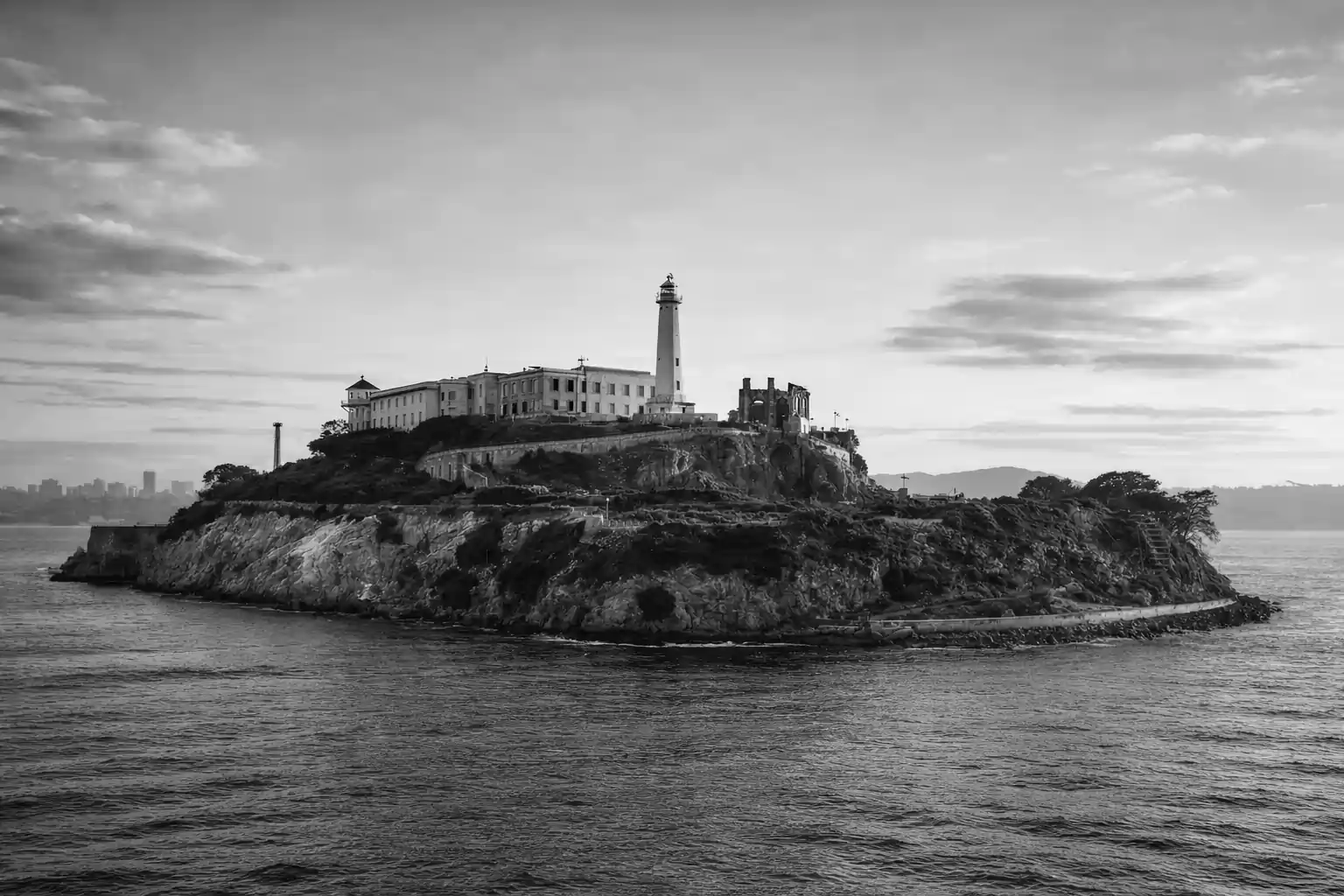
The standard visit route is clear and easy to follow.
You move from the ferry to the main path, then up to the cellhouse, and through the audio-guided experience. By the time you finish, it feels like you’ve covered everything important.
But that’s not entirely true.
There are parts of the island that don’t draw attention to themselves, even though they add context to the overall story.
What many visitors miss includes:
Remains of residential buildings on the lower levels
Garden areas that reflect a different side of island life
Pathways and spaces away from the main flow
Views that shift your focus away from the prison
These elements are not hidden. They are simply not emphasized.
How to Get More Value From the Same Ticket
This is where your planning makes a real difference. You don’t need a different ticket to see more of Alcatraz.
You need to use your time differently.
A Better Way to Structure Your Visit
Start with the ferry and arrival
Walk up to the cellhouse and complete the audio tour
Take a short pause instead of heading back immediately
Spend time exploring lower and outer areas of the island
Leave only after you’ve moved beyond the main route
This structure doesn’t add complexity. It just changes your pacing and that change improves the experience significantly.
When This Side of Alcatraz Becomes Most Valuable
There are certain situations where understanding this part of the island has a stronger impact.
It matters more when:
You have 2.5 to 3 hours available
You prefer a slower, more complete experience
You want to go beyond the standard highlights
You are visiting for the first time and want a broader perspective
In these cases, the residential history is not just an extra detail. It becomes part of what defines your visit.
When You Can Keep It Simple
When your schedule is limited or your focus is strictly on the prison, it’s still possible to have a strong experience without going deeper. The cellhouse alone offers a detailed and engaging view of Alcatraz’s history, even during a more focused visit.
However, understanding that there is more to the island, even if you don’t fully explore it, adds useful context to what you are seeing. This can feel even more noticeable during an Alcatraz Night Tour experience, where the quieter setting brings a different perspective. It helps you recognise that the story doesn’t end at the prison walls.
Even on a tighter schedule, such as an Alcatraz Behind the Scenes exploration, simply being aware of the island’s wider history changes how you interpret the space. You may not walk every path or see every section, but the added perspective makes the visit feel more complete without requiring extra time.
Final Planning Advice Before You Book
If you’re deciding how to approach your visit, keep these points in mind:
Book a time slot that gives you enough flexibility
Avoid stacking other plans immediately after your visit
Plan for at least 2.5 hours on the island
Stay open to exploring beyond the main route
These are small adjustments.
But they change the outcome of your visit in a noticeable way.
Frequently Asked Questions
Did families really live on Alcatraz?▾
Is this history included in the standard tour?▾
Do I need a special ticket to see residential areas?▾
How much extra time should I plan?▾
Where should I go after the prison tour?▾
What is the biggest mistake visitors make?▾
Does this change which ticket I should choose?▾
Is this worth it for first-time visitors?▾
How did children go to school from Alcatraz?▾
Can I still enjoy the visit without this?▾
Adrian Davis
Published on Alcatraz Island Guide


