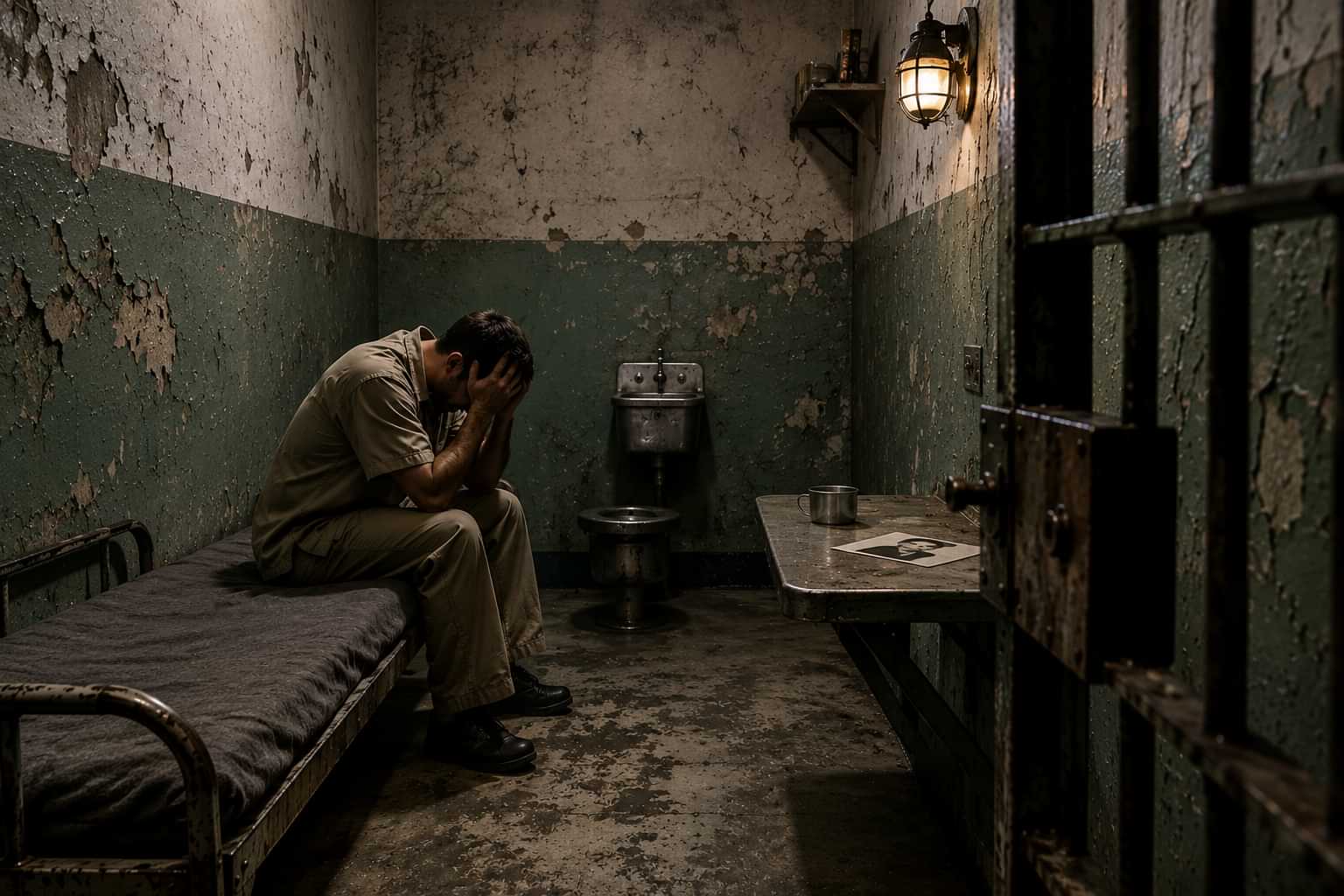
Inside the Psychology of Alcatraz: The Brutal System That Broke Prisoners’ Minds
Introduction: A Place You Don’t Just Learn About, You Feel
Alcatraz Federal Penitentiary is often explained through facts, escape attempts, famous inmates, security systems, but those alone don’t explain why it still leaves such a strong impression.
Alcatraz is remembered because it created a specific human experience. It was not just a place where people were held. It was a place where daily life was structured in a way that shaped how prisoners thought, felt, and adapted over time.
When the Federal Bureau of Prisons opened it in 1934, it was designed for inmates who had already resisted control elsewhere. That purpose influenced everything: the layout, the rules, and the way time was experienced inside the prison.
What Prisoners Actually Felt: Control Without Noise or Chaos
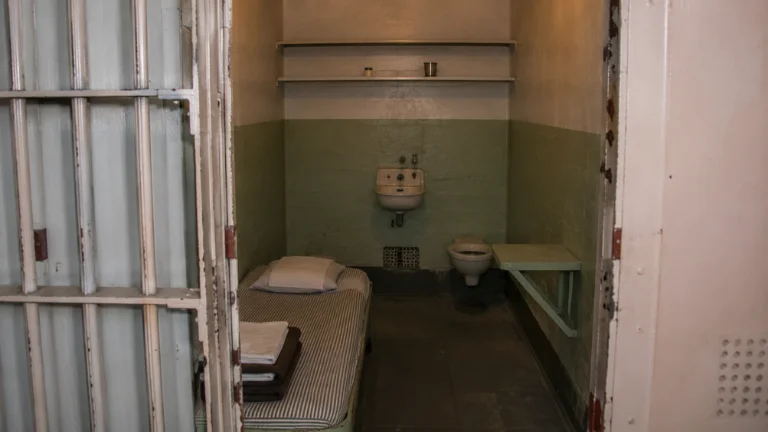
Many inmates who had been in other prisons did not describe Alcatraz as the most violent or chaotic place they had experienced. What made it different was how controlled it was.
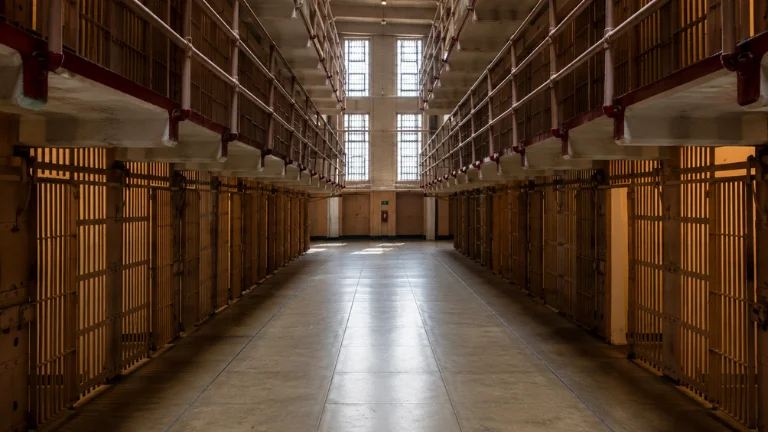
The environment was quiet, structured, and predictable. Cells were narrow, about 5 by 9 feet, with a height of roughly 7 feet. Each contained only a steel bed, a small shelf, a sink, and a toilet. There was nothing to personalize, nothing to rearrange, and almost nothing to interact with.
Inmates spent 14 to 16 hours a day inside these cells. The remaining time followed a strict routine that rarely changed. Over time, this produced a different kind of pressure:
There were no sudden events to break monotony
There was little variation to mark the passage of time
There was almost no control over one’s surroundings
Former inmate Alvin Karpis, who spent 26 years there, described the experience as mentally exhausting because of this repetition. The difficulty was not intensity, but duration.
The Strange Effect of Being Close to Freedom
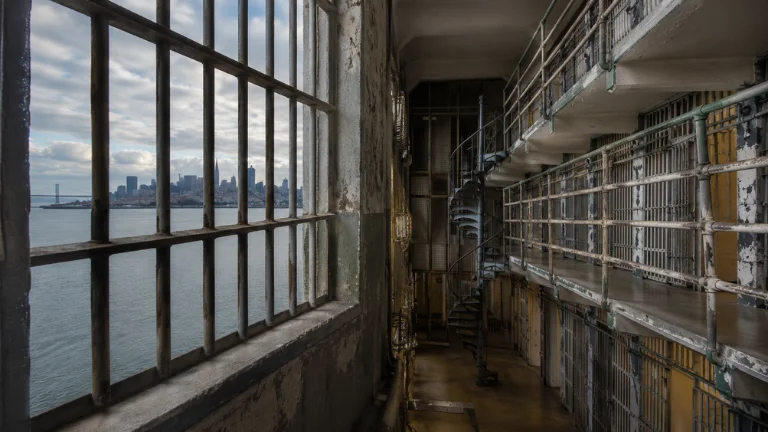
The location of Alcatraz in San Francisco Bay created one of its most unusual psychological effects.
The island is only about 1.25 miles from San Francisco. On clear days, inmates could see buildings, movement, and boats in the harbor. At night, the lights of the city were visible. On quiet evenings, sound carried across the water, foghorns, engines, and even music during celebrations like New Year’s Eve.
At the same time, the bay itself reinforced confinement:
Water temperatures remained between 50–54°F (10–12°C) year-round
Strong currents, often reaching 4 to 7 knots, made swimming extremely difficult
The water’s cold shock effect could impair movement within minutes
This created a constant psychological contrast. The outside world was not distant or imagined. It was present and visible, but consistently unreachable.
That contrast made confinement more emotionally intense than isolation in remote prisons where the outside world disappears completely.
Silence and Distance Between People
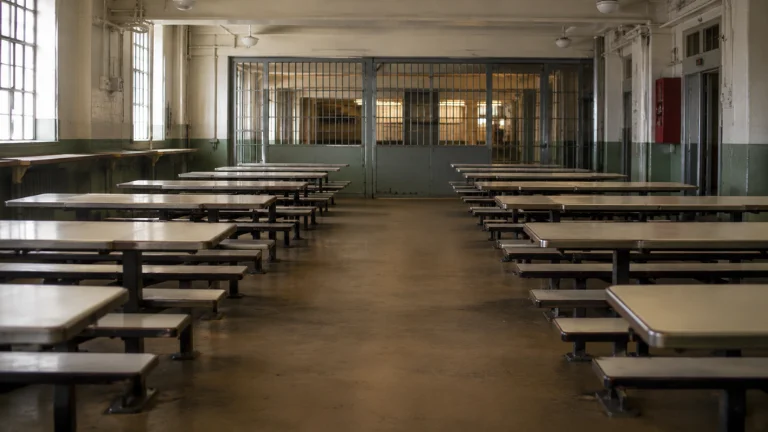
One of the most noticeable aspects of life at Alcatraz was how limited communication was.
When Conversation Becomes Restricted
Under Warden James A. Johnston, the prison enforced strict communication rules in its early years. Inmates were not allowed to speak during meals, work assignments, or while moving through the cellhouse.
Even after the policy was relaxed in 1937, the environment it created remained. Conversations were brief, controlled, and often avoided.
This had several long-term effects:
Social bonds between inmates were weaker than in other prisons
Informal networks, which often exist in prison environments, were limited
Inmates experienced isolation not just physically, but socially
The result was a quieter prison, but also a more fragmented one.
When Everything Becomes Conditional
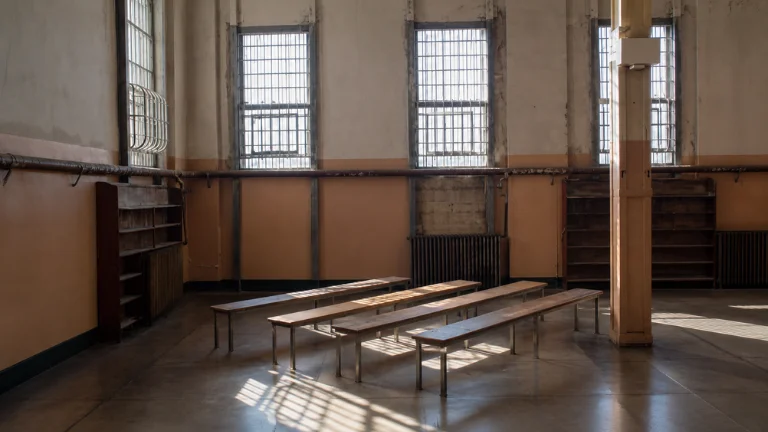
Alcatraz did not remove all privileges. Instead, it made nearly everything conditional.
Inmates were guaranteed only four basic rights: food, clothing, shelter, and medical care. Everything else had to be earned through consistent behavior.
The prison operated on a graded system where inmates progressed slowly. Access to small things became significant, including:
The library, which held around 15,000 books by the 1950s
Limited recreation in the yard
Better work assignments in areas like the kitchen or laundry
These privileges were tightly controlled. Progress could take months, while loss could happen instantly after a rule violation.
This created a different mindset. Inmates were not just avoiding punishment. They were protecting the few sources of variation and engagement available to them.
The Experience of Isolation in D-Block
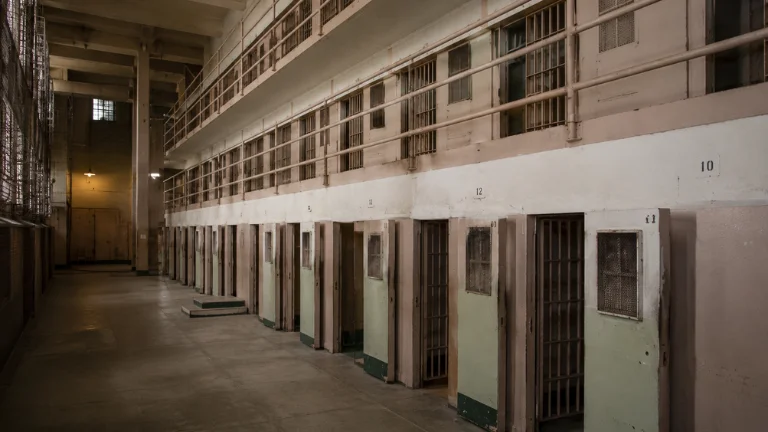
D-Block was the most feared section of the prison, not because it was used constantly, but because of what it represented.
It contained 42 cells for disciplinary segregation, including six strip cells known as the “hole.”
What Made It Different
These strip cells were designed for near-total sensory reduction:
No furniture and no direct light inside the cell
Minimal clothing, often just a blanket
Restricted meals under strict schedules
No interaction with other inmates
Even short periods in these conditions could lead to noticeable psychological effects:
Disorientation and loss of time awareness
Increased anxiety and stress
Difficulty focusing or maintaining clear thoughts
In some cases, inmates spent days or weeks in these cells depending on the severity of their actions.
D-Block reinforced the overall system by showing the extreme end of control, even if most inmates never experienced it directly.
How Alcatraz Changed a Person’s Sense of Identity
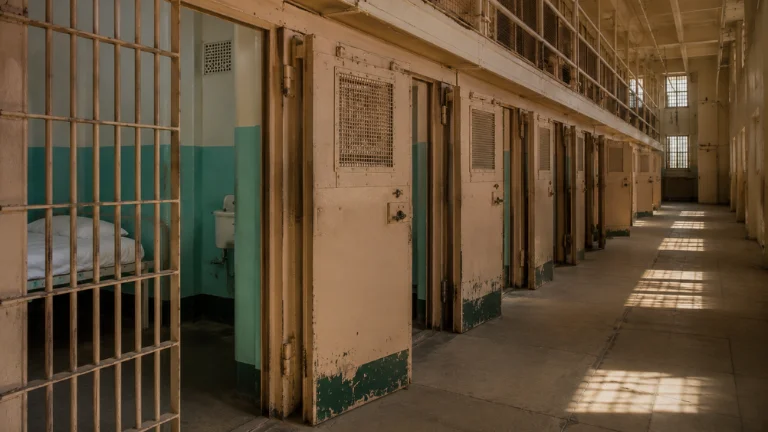
Alcatraz did more than control behavior. It affected how inmates understood themselves.
In many prison environments, inmates maintain identity through work, relationships, or personal interests. At Alcatraz, those outlets were limited or removed.
The case of Robert Stroud is one of the clearest examples. Before arriving, Stroud had built a reputation through his research on bird diseases and had published scientific work. At Alcatraz, his birds, research materials, and intellectual work were removed entirely.
This was not just a restriction on activity. It removed a central part of his identity.
Over time, inmates were defined less by who they were before prison and more by how they functioned within the system.
Why Some Still Tried to Escape
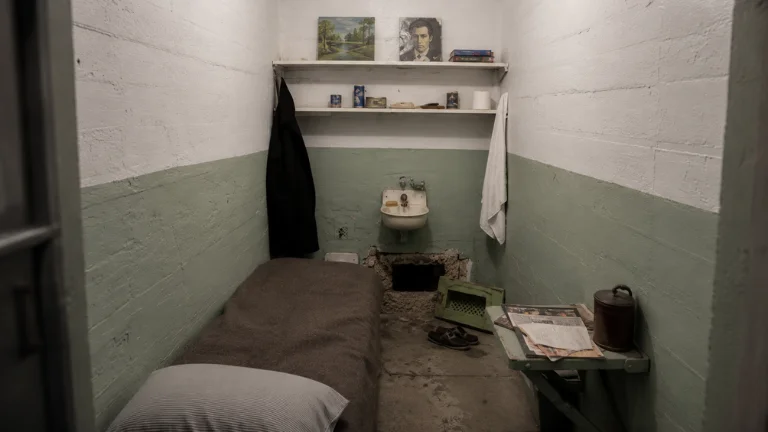
Despite the environment, inmates continued to attempt escape.
Between 1934 and 1963:
36 inmates were involved in 14 escape attempts
23 were recaptured
6 were shot and killed
2 drowned
5 were officially listed as missing and presumed dead
The most well-known case involved Frank Morris and the Anglin brothers in 1962. Their plan included carving through ventilation ducts, creating realistic dummy heads, and constructing a raft from raincoats.
Their fate remains unknown.
These attempts show that even in a highly controlled environment, the psychological pressure of confinement could push individuals to take extreme risks.
Why Alcatraz Still Feels Different Today
Alcatraz closed in 1963 under Robert F. Kennedy, primarily due to cost.
Operating the prison required:
Transporting nearly one million gallons of fresh water per week
Shipping all food, fuel, and supplies from the mainland
Constant maintenance due to saltwater corrosion
At the same time, correctional philosophy was shifting toward rehabilitation, which did not align with Alcatraz’s design.
Today, the site remains preserved, and many of its original features are still intact. Visitors walking through the cellhouse experience:
The narrow dimensions of the cells
The visibility of the bay and the city
The echo of sound within confined spaces
These elements recreate, in a limited way, the conditions that defined life there.
How Visitors Can Experience This During Their Visit
The psychological aspects of Alcatraz are not presented separately, they tend to emerge naturally as you move through the space. During an Alcatraz day tour, the physical layout, cell dimensions, and narrated accounts gradually build a sense of how structured and controlled daily life once was.
This perception can shift slightly in an Alcatraz night tour, where changes in light, sound, and overall atmosphere make certain details, like distance, silence, and isolation, feel more noticeable.
With the Alcatraz behind-the-scenes tour (extended tour), additional areas and systems come into view, offering a broader understanding of how the prison operated as a controlled environment rather than just a physical structure.
Final Insight: Why Alcatraz Still Stays With Us
Alcatraz held fewer than 1,600 inmates over its entire operation and existed for less than 30 years. By numbers alone, it was a relatively small institution.
Its lasting impact comes from how it shaped experience.
For prisoners, it combined:
Repetition that altered the perception of time
Visibility of freedom without access to it
Limited communication and weakened social connection
A system where even small privileges carried weight
For us today, those same elements remain visible. We can see the cells, the distance to the city, and the structure of daily life.
That is why Alcatraz continues to feel different. It does not just present history. It allows us to understand, in a tangible way, what controlled confinement actually felt like.
Frequently Asked Questions
What did it feel like to be a prisoner in Alcatraz?▾
Was Alcatraz more mentally challenging than physically harsh?▾
Why did prisoners say Alcatraz felt different from other prisons?▾
Could prisoners really see and hear San Francisco from Alcatraz?▾
How did time feel for prisoners in Alcatraz?▾
Did prisoners feel isolated even when surrounded by others?▾
What was the most feared experience inside Alcatraz?▾
Why were small privileges so important to Alcatraz inmates?▾
Did Alcatraz change how prisoners saw themselves?▾
Why did some prisoners risk their lives to escape Alcatraz?▾
Adrian Davis
Published on Alcatraz Island Guide


