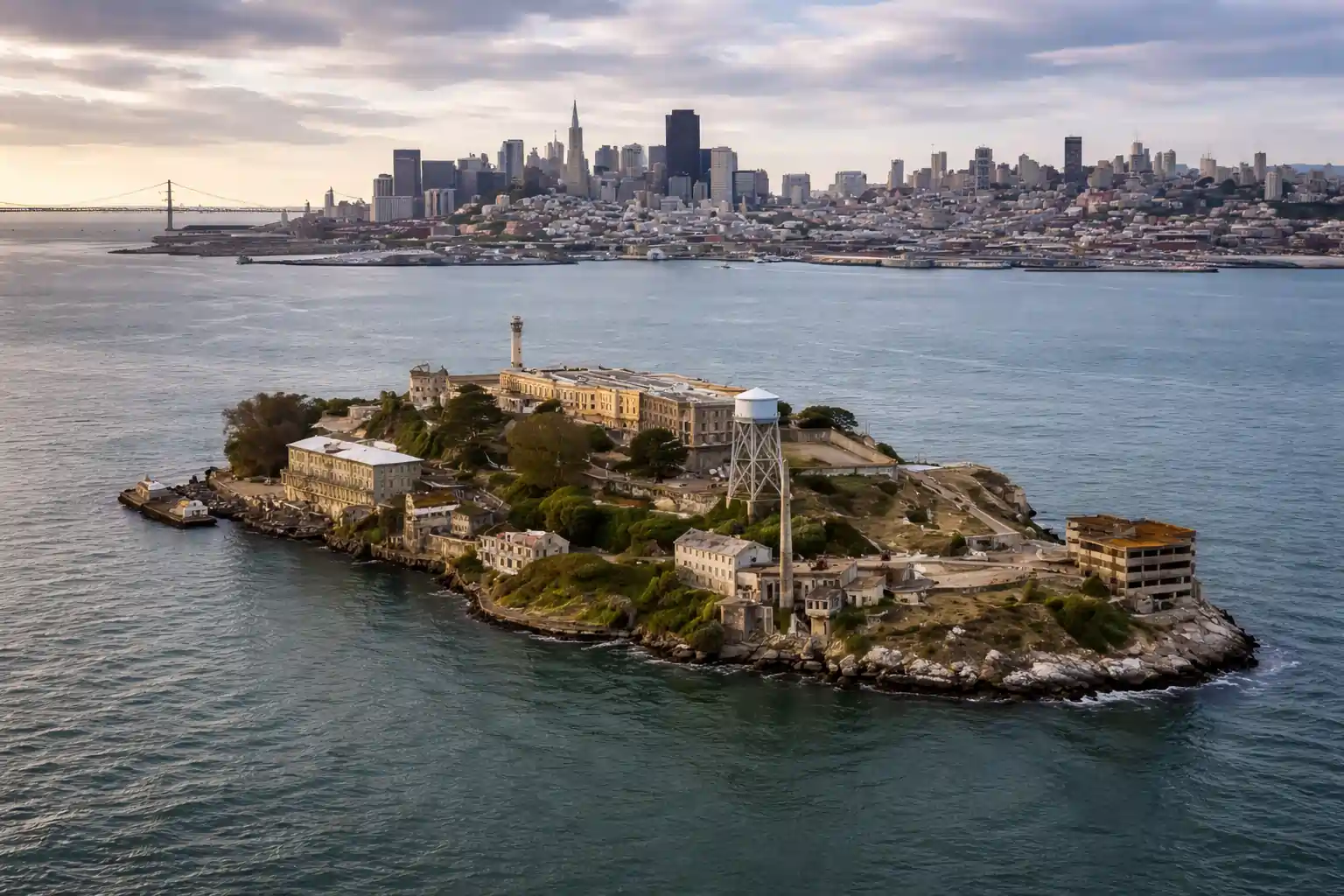
Why Did Alcatraz Close? Key Reasons Behind Its Shutdown
Alcatraz is often remembered as the most secure and feared prison in the United States, yet its closure in 1963 continues to raise questions. Contrary to popular belief, the prison did not shut down because of a dramatic escape, riot, or operational failure. In fact, by most measures, Alcatraz performed exactly as it was designed to. It successfully housed some of the most dangerous inmates, enforced strict discipline, and maintained near-total control.
To understand why it closed, it’s important to look at how Alcatraz Island evolved over time. The island was first developed in 1850 as a military fort, later used as a military prison, and then transformed in 1934 by the Federal Bureau of Prisons into a maximum-security federal penitentiary. Over the years, it held infamous criminals like Al Capone and Robert Stroud, reinforcing its reputation as an escape-proof facility.
However, despite its effectiveness, the prison became increasingly difficult to justify in a changing system. Rising operational costs, aging infrastructure, and a shift toward more efficient, modern mainland prisons ultimately made Alcatraz impractical, leading to its closure in 1963.
In the following sections, we’ll break down the exact reasons behind its shutdown, step by step.
History of Alcatraz: From Military Fort to Federal Prison
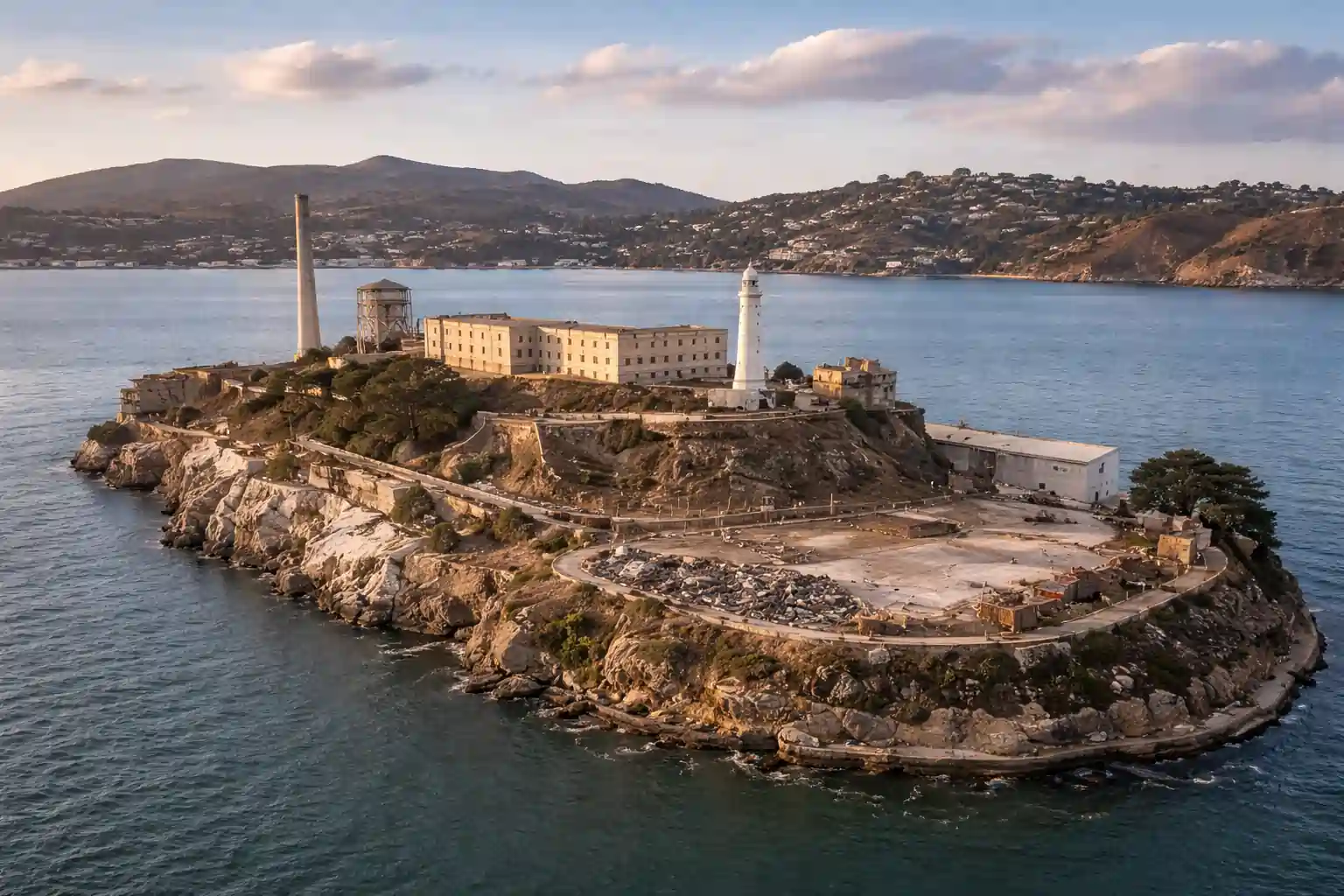
Before becoming a federal penitentiary, Alcatraz had already served multiple purposes.
1850s – Established as a military fort to protect San Francisco Bay
Early 1900s – Converted into a U.S. military prison
1934 – Transformed into a federal maximum-security prison
The federal government designed Alcatraz to house the most dangerous and unmanageable prisoners from other facilities. It was meant to be a high-control, no-escape institution, isolated from the mainland.
Over the next 29 years, it held around 1,500+ inmates, including infamous criminals like Al Capone and George “Machine Gun” Kelly.
When Did Alcatraz Close and What Happened?
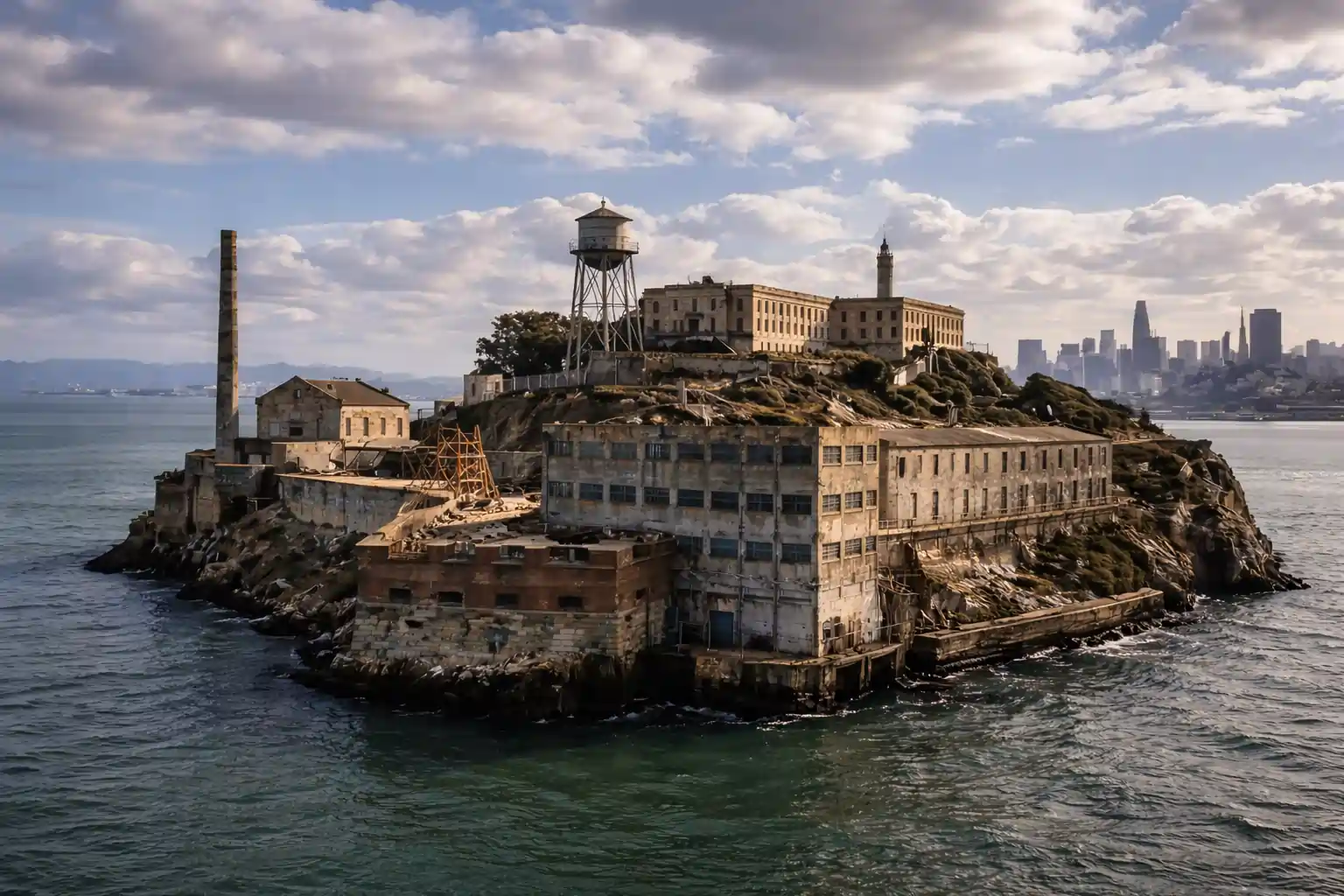
Alcatraz Federal Penitentiary officially closed on March 21, 1963.
By the time of closure:
The inmate population had already been reduced
Only 27 prisoners remained on the island
All inmates were transferred to other federal prisons
The shutdown was not sudden. It followed years of internal reports highlighting rising costs, infrastructure issues, and operational limitations.
Main Reason Alcatraz Closed: High Operating Costs
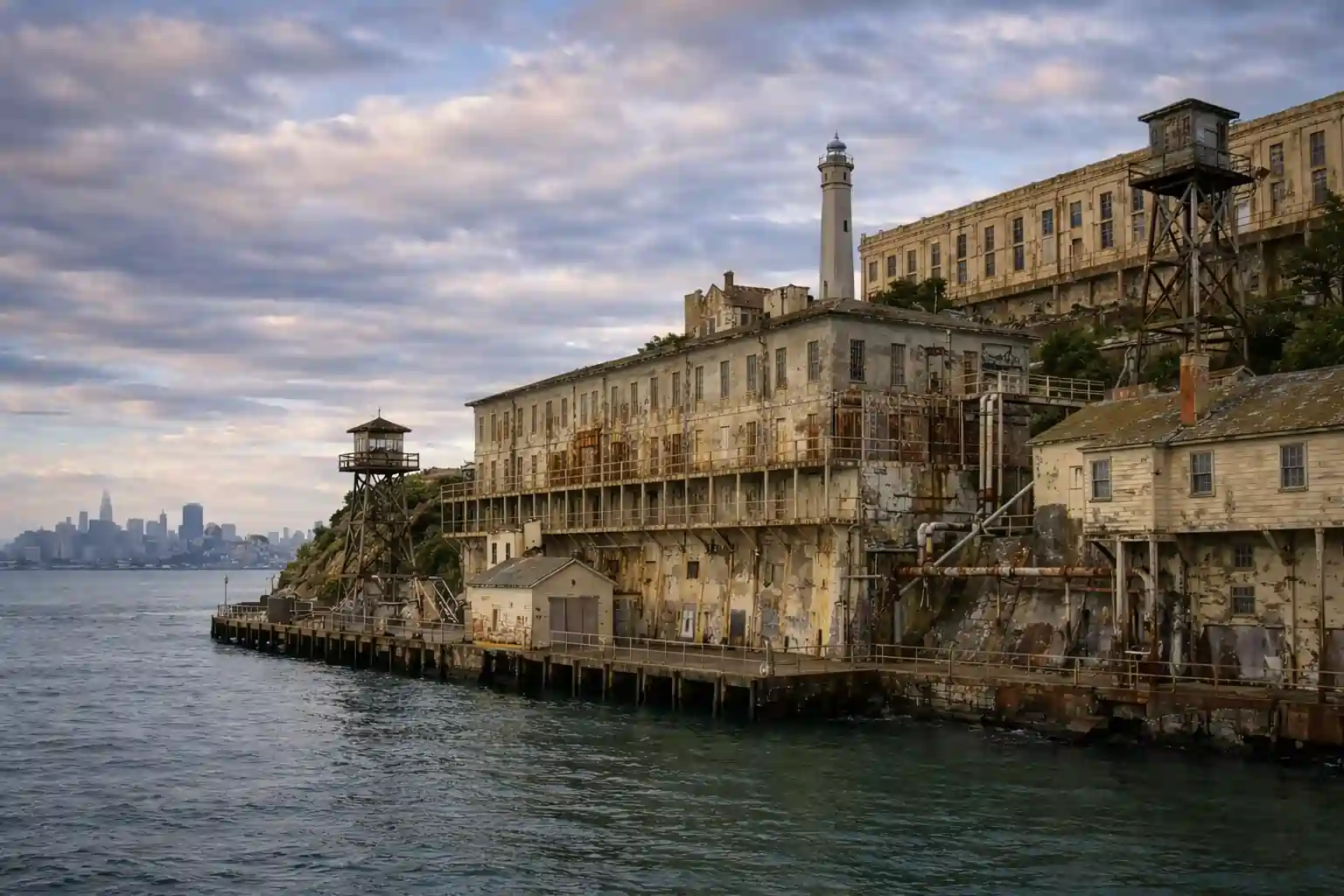
The most decisive factor behind Alcatraz’s closure was its cost.
Operating a prison on an isolated island created a constant logistical burden. Unlike mainland facilities, Alcatraz had no direct access to roads, pipelines, or basic infrastructure. Everything required for daily operations had to be transported by boat across San Francisco Bay.
One of the most significant challenges was water. The island had no natural freshwater source, meaning every gallon used for drinking, cooking, and sanitation had to be shipped in. Over time, this alone became a major expense.
By the early 1960s, the financial gap between Alcatraz and other federal prisons had become impossible to ignore:
The cost per inmate was nearly three times higher than mainland facilities
The prison housed fewer inmates while consuming more resources
Ongoing transportation and supply costs continued to rise
This was not a temporary spike in expenses, it was a permanent limitation caused by geography. Even with improvements, the core cost structure would never match that of mainland prisons.
Challenges Alcatraz Faced
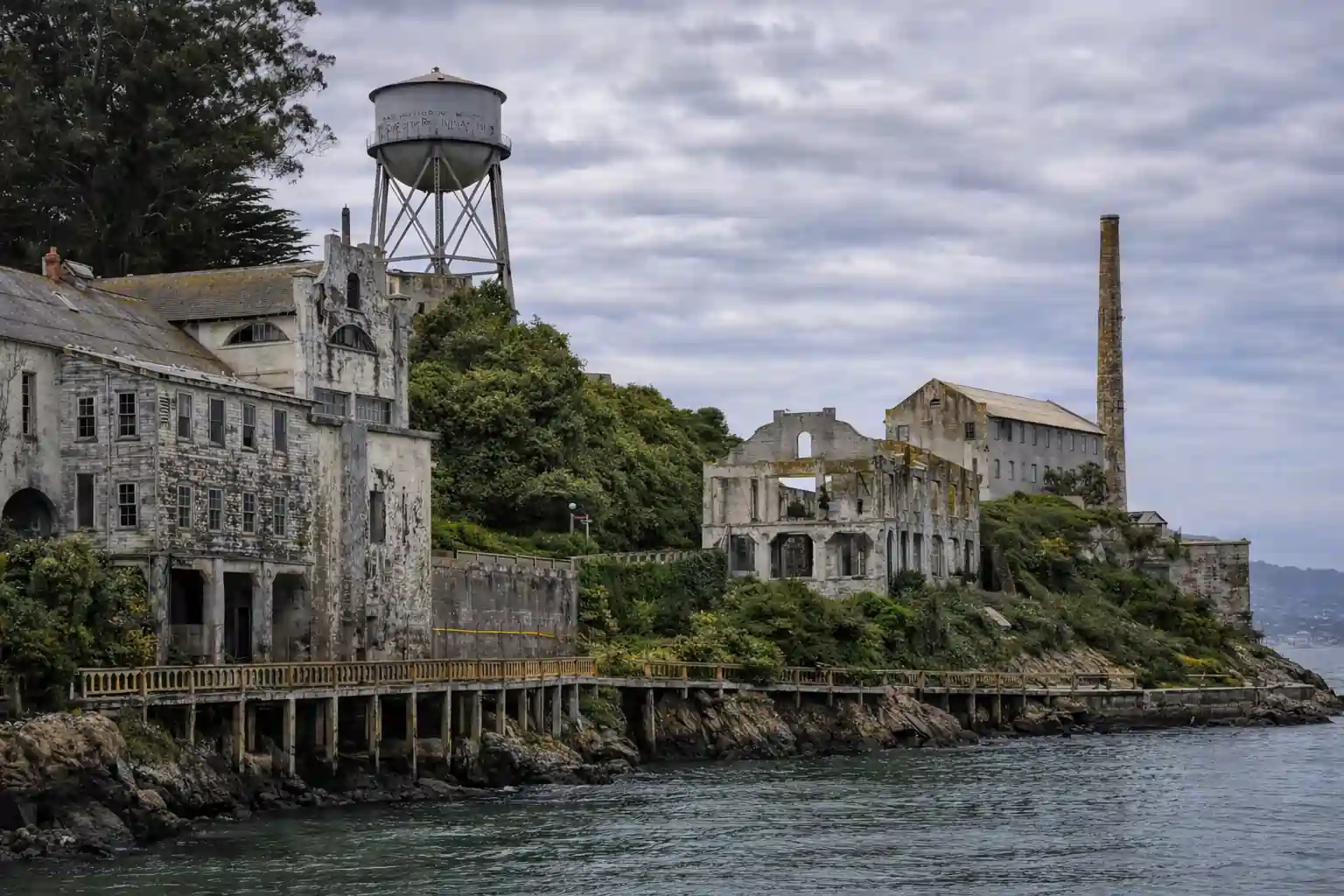
Alcatraz’s isolation was central to its identity, but it also introduced long-term operational difficulties.
Living Conditions for Staff
Correctional officers and their families lived on the island, effectively turning Alcatraz into a small, self-contained community. This arrangement required the prison to support not just inmates, but also everyday civilian life.
Children traveled by ferry to attend school in San Francisco, and routine needs like groceries or medical care depended entirely on scheduled transport. While this system functioned, it added layers of complexity that mainland facilities did not face.
Limited Flexibility and Dependence
The prison’s complete dependence on ferry transport meant that even minor disruptions, such as weather conditions, could impact operations. Deliveries, staffing, and communication were all tied to a single mode of access.
Over time, these limitations reduced efficiency and made it harder for the prison to adapt to changing demands within the federal system.
Lack of Expansion and Modernization
Another critical issue was Alcatraz’s inability to grow or modernize.
The island’s physical boundaries created a hard limit on what could be built or improved. Unlike mainland prisons, which could expand their infrastructure or redesign layouts, Alcatraz remained fixed in both size and structure.
As the U.S. prison system evolved, newer facilities were designed with greater efficiency in mind. They offered larger capacity, improved surveillance systems, and layouts that supported both security and rehabilitation programs.
Alcatraz, by contrast, was locked into an older model. It was effective for its time, but it could not keep pace with modern standards.
Infrastructure Deterioration and Repair Costs
By the early 1960s, the condition of Alcatraz’s buildings had become a serious concern.
The island’s environment, particularly the salt air and constant moisture, accelerated the deterioration of concrete, metal, and other structural materials. Maintenance was not occasional; it was continuous and costly.
The main cellhouse, originally constructed in 1912, had been in use for decades and was never designed for the level of long-term, high-intensity operation it experienced as a federal prison.
Key systems began failing at the same time:
Plumbing and sewage systems required constant repair
Electrical infrastructure was outdated
Structural elements showed visible wear and corrosion
A detailed report in 1962 concluded that restoring the facility to modern standards would require a massive investment, one that could not be justified given its limitations. Building a new prison on the mainland was simply more practical.
What Happened After Alcatraz Closed?
After the prison closed in 1963, the island entered a period of uncertainty.
Although it remained under federal ownership, there was no immediate plan for how it should be used. Several redevelopment ideas were proposed throughout the mid-1960s, including commercial attractions and private projects, but none moved forward.
During this time, Alcatraz was largely abandoned. Without regular maintenance, the same environmental forces that had contributed to its closure continued to damage the structures.
Native American Occupation (1969–1971)
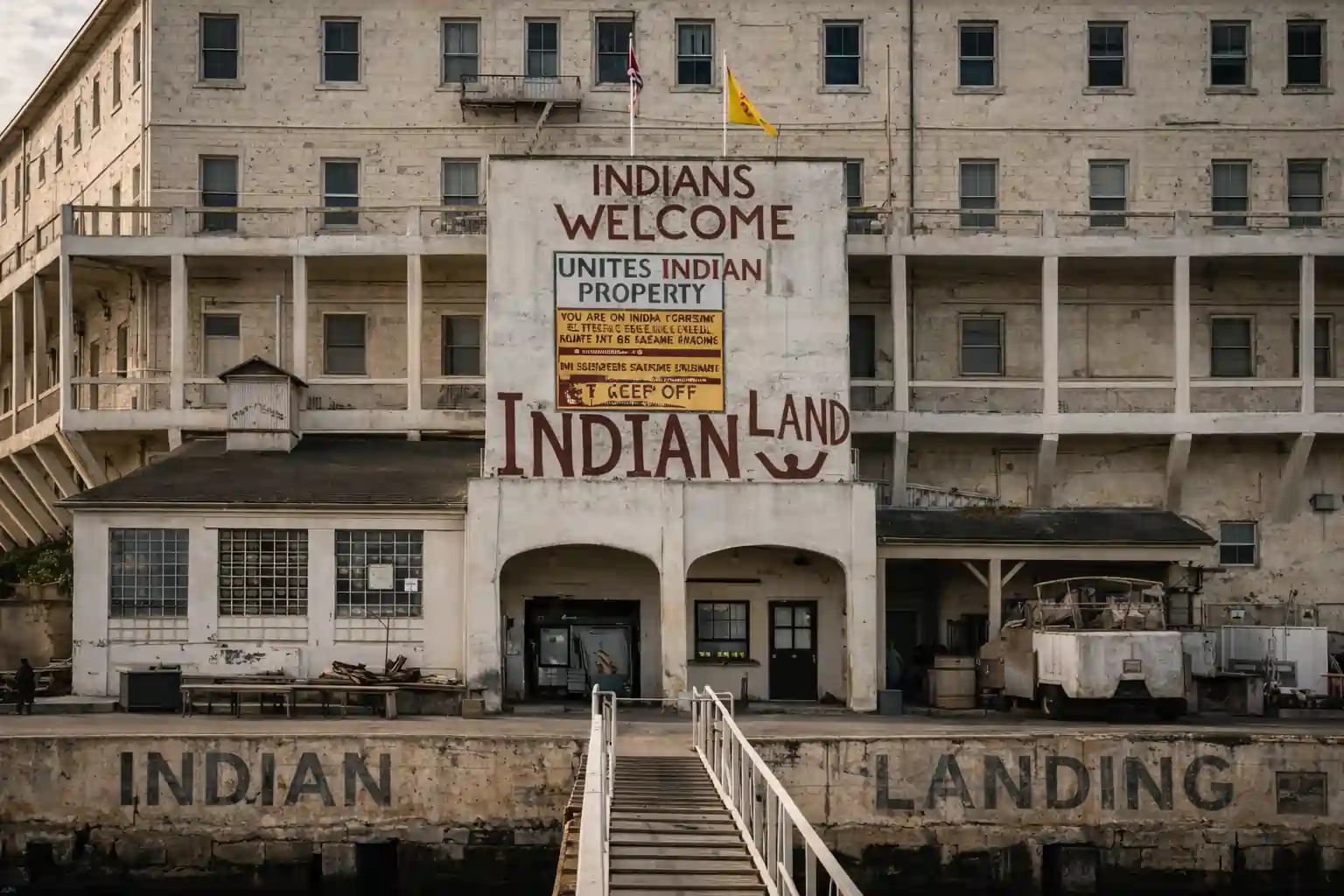
A major turning point in Alcatraz’s history came in November 1969, when Native American activists occupied the island.
The group, known as Indians of All Tribes, claimed Alcatraz based on treaty rights and used the occupation to draw attention to Indigenous issues across the United States.
What began as a symbolic protest evolved into a sustained presence that lasted 19 months. At its peak, more than 400 people lived on the island, transforming it into a center of political and cultural activism.
Although federal authorities removed the remaining occupants in June 1971, the impact of the occupation was significant. It is widely recognized as a key moment in the Native American civil rights movement and reshaped the public perception of Alcatraz.
Alcatraz Today: From Prison to Historic Landmark
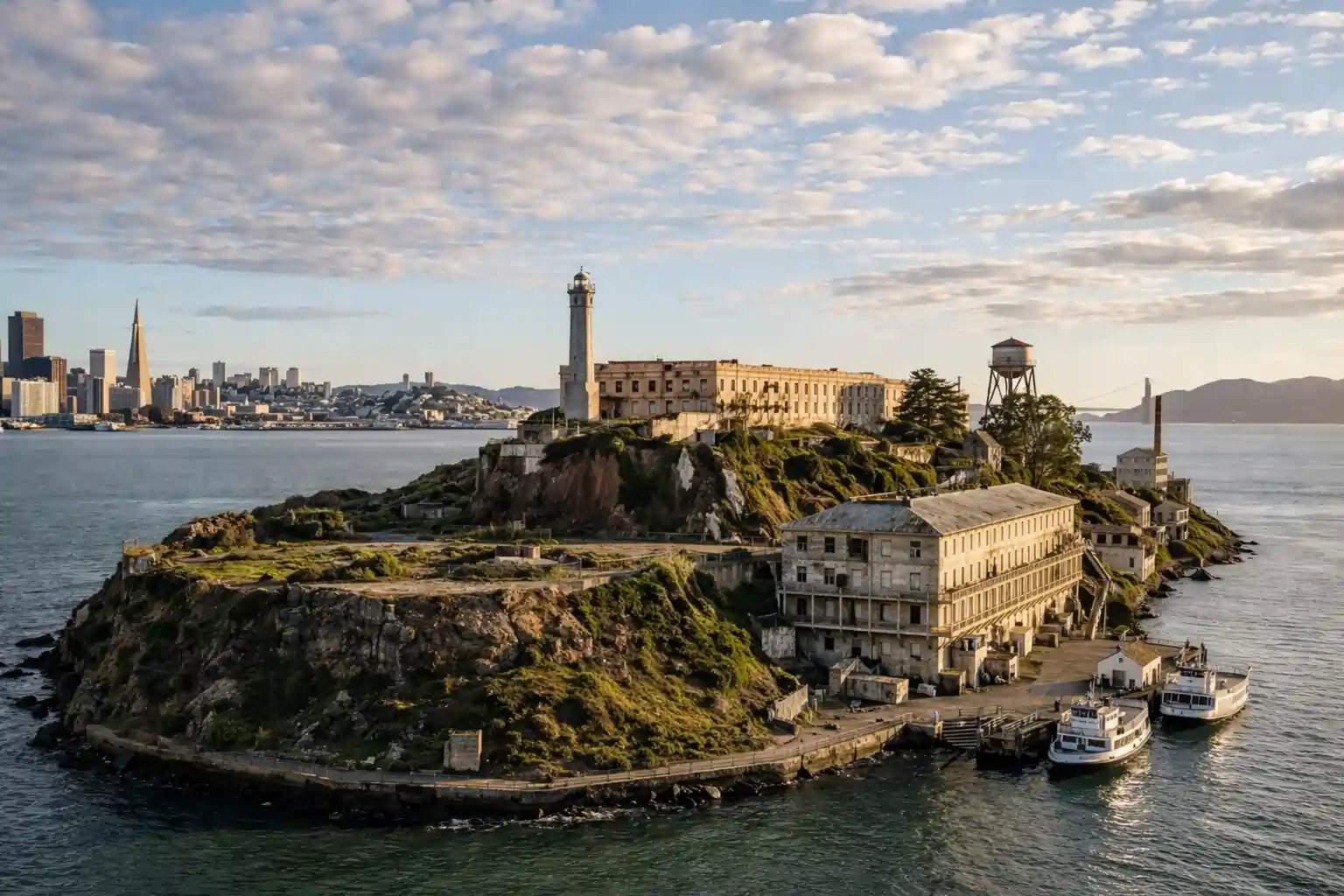
In 1972, Alcatraz was transferred to the National Park Service and became part of the Golden Gate National Recreation Area. The island opened to visitors the following year.
Today, it attracts nearly 1.5 million visitors annually, making it one of the most visited historic sites in the United States.
The island is preserved in a state that reflects its real history rather than a restored or polished version. Visitors can explore the original cellhouse, walk through former residential areas, and see layers of history ranging from military use to post-prison activism.
Experiences vary depending on the time of visit. Day tours focus on historical context and guided narratives, while night tours offer a quieter and more atmospheric perspective, highlighting the isolation that once defined the prison.
Why the Closure of Alcatraz Still Matters
Alcatraz did not close because it failed, it closed because it became inefficient in a changing system.
The very features that once made it effective, its isolation, strict control, and limited access, eventually became disadvantages. As the federal prison system evolved toward scalability, modernization, and cost efficiency, Alcatraz no longer fit.
Its closure reflects a broader shift in priorities, not just in corrections, but in how institutions adapt over time.
Final Thoughts
Alcatraz closed quietly in 1963, but its legacy has only grown stronger.
From a military outpost to a maximum-security prison and now a major historical landmark, the island represents multiple layers of American history. Its continued relevance lies not just in what it was, but in what it reveals about change, how even the most iconic institutions must eventually evolve or be left behind.
Frequently Asked Questions
Why did Alcatraz Island shut down if it was so secure?▾
When exactly did Alcatraz close?▾
Was Alcatraz closed because prisoners escaped?▾
Who ordered the closure of Alcatraz?▾
How expensive was it to run Alcatraz compared to other prisons?▾
Why was water supply such a big problem on Alcatraz?▾
Could Alcatraz have been renovated instead of closed?▾
Did the island’s isolation help or hurt operations?▾
What happened to the inmates after Alcatraz closed?▾
Why is Alcatraz still important today?▾
Adrian Davis
Published on Alcatraz Island Guide


