
The Failed Alcatraz Escape of 1939: Arthur “Doc” Barker’s Story
There are stories connected to Alcatraz Federal Penitentiary that remain open-ended, escapes that invite speculation, names that became larger than the prison itself, and events that still generate debate.
Arthur “Doc” Barker’s story does not work that way.
It follows a defined path. A criminal life that developed over decades, a transfer into a prison system built specifically to eliminate control, and an escape attempt that ended before it could move beyond the island. What makes it important is not mystery, but precision. It shows, step by step, what happened when someone tested the limits of Alcatraz under real conditions.
Before Alcatraz: A Life Already Shaped by Crime
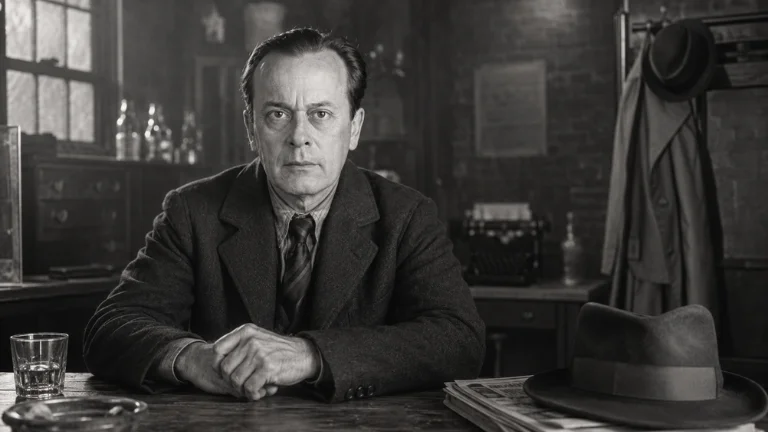
Arthur Barker’s involvement in crime did not begin with a single turning point. It developed through environment and repetition. Born in 1899 in Missouri, he grew up in a household where instability, frequent relocation, and exposure to criminal behavior were part of everyday life.
His mother, known as Ma Barker, was not a distant figure. She played a central role in the family’s direction, and accounts from the period suggest that she encouraged and supported her sons’ activities. This meant that Barker did not enter crime as an outsider, he grew into it.
By his teenage years, he and his brothers were already involved in theft and minor offenses. These early actions gradually became more consistent and organized. By the late 1920s, Barker was part of the Barker-Karpis gang, a group that operated across multiple states and relied on planning, coordination, and controlled execution.
His nickname “Doc” reflected how he approached these operations. He was known for being deliberate rather than impulsive, focusing on preparation and timing. This distinction mattered within the group, where roles were often defined by how individuals handled pressure and risk.
The Crimes That Led Him to Alcatraz
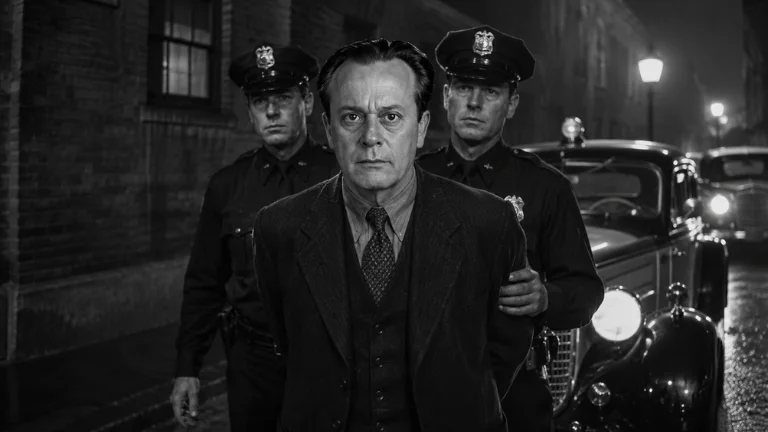
The escalation from robbery to kidnapping marked a critical shift in both the gang’s activity and the response from law enforcement. During the early 1930s, kidnapping had become one of the most aggressively prosecuted crimes in the United States, particularly as federal agencies expanded their authority.
The Barker-Karpis gang carried out kidnappings that required extended planning and control, including the high-profile cases of William Hamm Jr. and Edward Bremer. These operations involved holding victims for ransom, managing communication, and maintaining control over extended periods.
Barker’s arrest in 1935 came as part of a broader effort to dismantle the gang. He was convicted for his role in the Bremer kidnapping and sentenced to life imprisonment. This was not simply a legal outcome, it also determined how he would be classified within the prison system.
His history of violence, combined with his role in a coordinated criminal organization, placed him in a category of inmates considered difficult to manage.
Why He Was Sent to Alcatraz
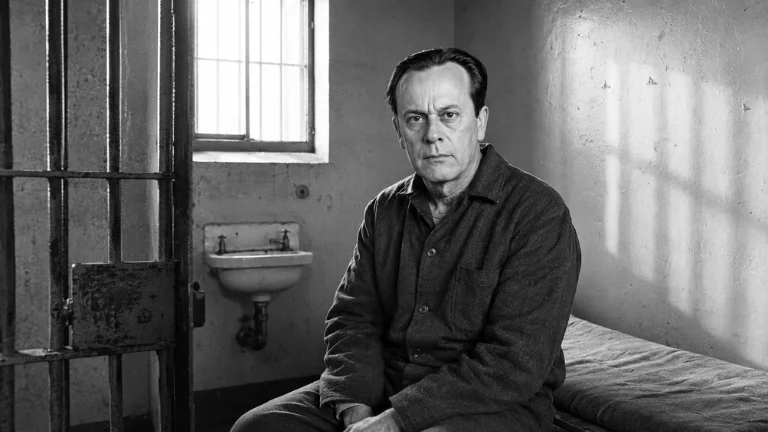
Barker’s transfer to Alcatraz Federal Penitentiary in 1935 was a direct result of that classification. Alcatraz was not a standard prison. It was used selectively for inmates who presented risks that other facilities could not effectively handle.
These risks included escape attempts, the ability to influence other inmates, and a history of organized criminal behavior. Barker’s profile matched all of these criteria.
The prison’s design reflected its purpose. Cells were small and isolated, movement was tightly controlled, and routines were fixed. The system was built to reduce unpredictability and eliminate opportunities for coordination among inmates.
For Barker, this meant entering an environment where the skills that had defined his criminal career, planning, influence, and coordination, had limited value.
Life Inside: Control, Routine, and Isolation
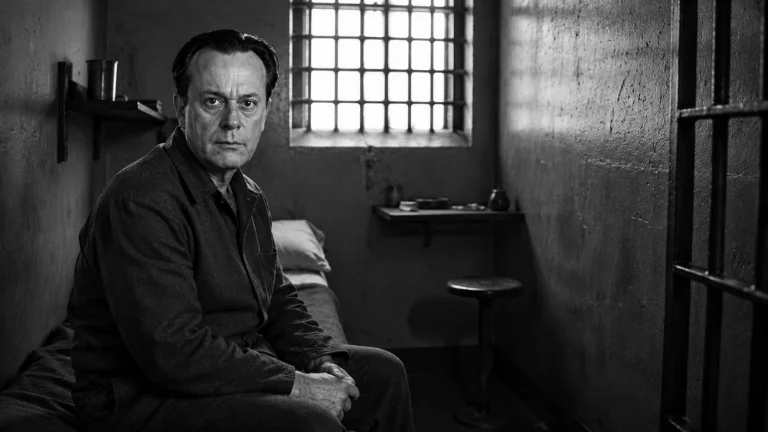
Daily life at Alcatraz followed a structured schedule that left little room for variation. Inmates were counted multiple times a day, meals were taken in silence under supervision, and work assignments were controlled and monitored.
Communication between inmates was limited, and silence rules were enforced in specific areas of the prison, particularly during its early years. These rules were not symbolic, they were part of a system designed to prevent organization and maintain order.
The island itself reinforced this structure. From many points, San Francisco was clearly visible across the bay. The distance appeared short, but the conditions made it dangerous. Water temperatures could quickly reduce physical endurance, and currents often moved in ways that were difficult to predict.
Barker did not adapt easily to these conditions. Records indicate disciplinary issues, suggesting resistance to the routines and restrictions imposed on him. Over time, the combination of limited control and long-term confinement likely influenced his decision to attempt escape.
The Escape Attempt
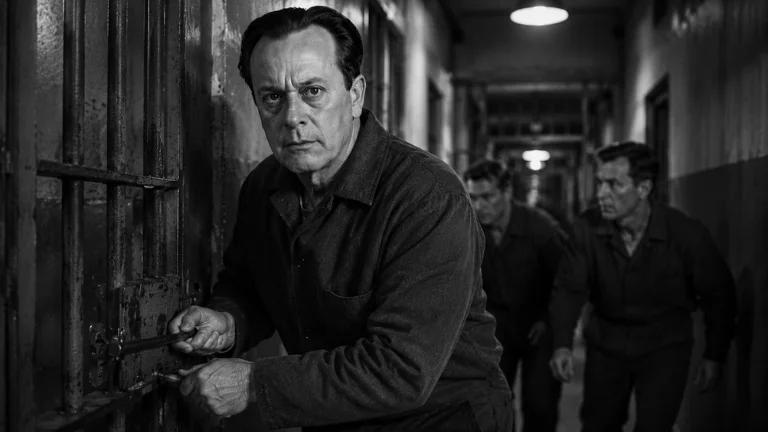
The escape began in the isolation unit, where Barker and four other inmates, Henri Young, Rufus McCain, William Martin, and Dale Stamphill, worked over time to cut through the bars of their cells.
This process required patience and precision. Tools were improvised, and progress had to remain unnoticed. Like other escape attempts at Alcatraz, success depended on time, coordination, and the ability to avoid detection during preparation.
Once the bars were cut, the group moved out of the unit and toward the northwestern shoreline. This part of the plan relied on speed, as the risk of discovery increased significantly once they left controlled areas.
The objective was to enter the water and attempt to reach the mainland. At this point, the plan shifted from controlled preparation to direct exposure to risk.
Where It Ended
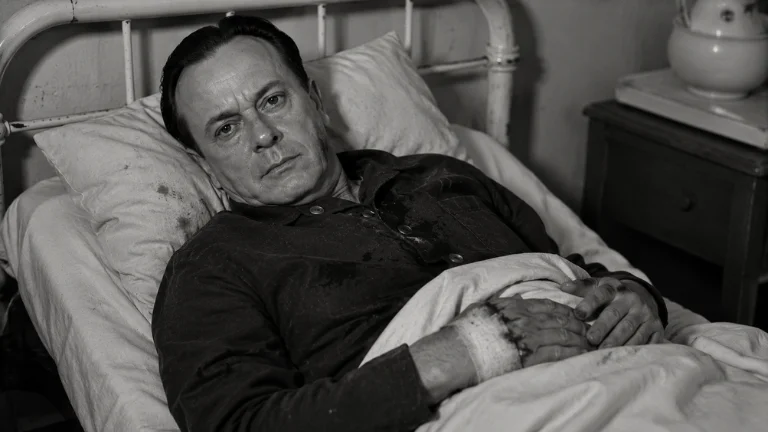
The escape was discovered before the group could enter the water. Guards responded immediately, and the situation escalated quickly. The structure of the prison allowed little time between detection and response.
Three inmates surrendered almost immediately. One was wounded during the confrontation.
Barker continued toward the shoreline, attempting to complete the final stage of the escape. He was shot before reaching the water and later died in the prison hospital.
He was thirty-nine years old and had served less than four years of his life sentence.
Timeline: Arthur “Doc” Barker
1899 — Born (June 4) in Missouri; youngest son of Ma Barker.
1920s — Moves from petty crime into organized crime with the Barker-Karpis gang.
1933–1934 — Involved in major kidnappings (Edward Bremer, William Hamm Jr.), drawing federal attention.
1935 — Arrested, convicted, and sentenced to life imprisonment.
1935 — Transferred to Alcatraz Federal Penitentiary as a high-risk inmate.
1935–1939 — Serves time at Alcatraz; struggles with strict discipline and control.
Jan 13, 1939 — Attempts escape with four inmates after cutting through cell bars.
Jan 13, 1939 — Shot by guards near shoreline during escape attempt.
Jan 13, 1939 — Dies in prison hospital, age 39 (served <4 years).
What This Story Shows About Alcatraz
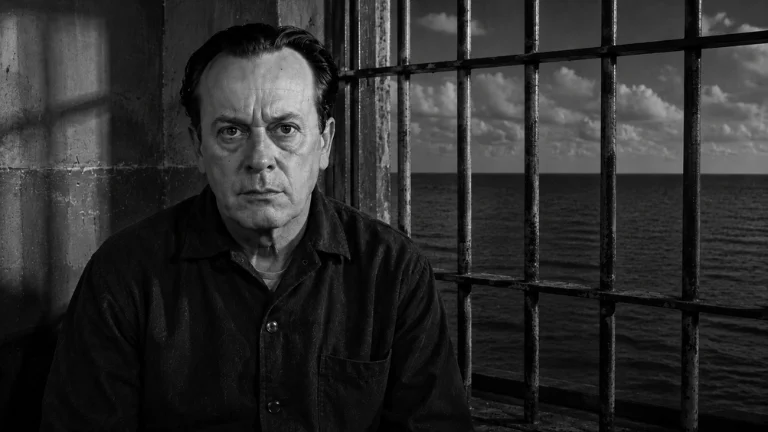
Barker’s story provides a clear example of how Alcatraz functioned when tested. It shows the transition from planning to execution and the point at which control shifted from the inmate to the institution.
The prison’s effectiveness did not rely solely on walls or guards. It was built on a combination of structure, surveillance, and environment. Even if an inmate moved beyond the internal system, the external conditions created an additional barrier.
In Barker’s case, the attempt reached the edge of the system but could not move beyond it.
Experiencing This Story During Your Visit
Visitors to Alcatraz Federal Penitentiary can explore the outer areas of the island, including paths overlooking the northwestern shoreline where the escape attempt ended.
From these vantage points, the distance to the mainland appears manageable, and the water often looks calm. However, understanding the conditions, temperature, currents, and exposure, changes that perception.
A daytime visit allows for clear observation of these details, while a night visit offers a quieter and more immersive experience, where visibility is reduced and the environment feels more isolated.
Final Thought
Arthur “Doc” Barker’s story is not defined by mystery. It is defined by outcome.
He moved through a system designed to remove control, attempted to overcome it, and reached the edge of the island without passing beyond it.
That is what Alcatraz was built to do, establish limits that could be approached, but not crossed.
Frequently Asked Questions
Who was Arthur “Doc” Barker?▾
Why was Arthur “Doc” Barker sent to Alcatraz Federal Penitentiary?▾
What happened during the 1939 escape attempt at Alcatraz Federal Penitentiary?▾
Did Arthur “Doc” Barker escape from Alcatraz?▾
Why was escaping from Alcatraz Island so difficult?▾
How many inmates were involved in the 1939 Alcatraz escape attempt?▾
How did Arthur “Doc” Barker die?▾
Were there any successful escapes from Alcatraz Federal Penitentiary?▾
Can visitors today see where the 1939 escape attempt happened on Alcatraz Island?▾
Why is Arthur “Doc” Barker’s story still relevant today?▾
Adrian Davis
Published on Alcatraz Island Guide


