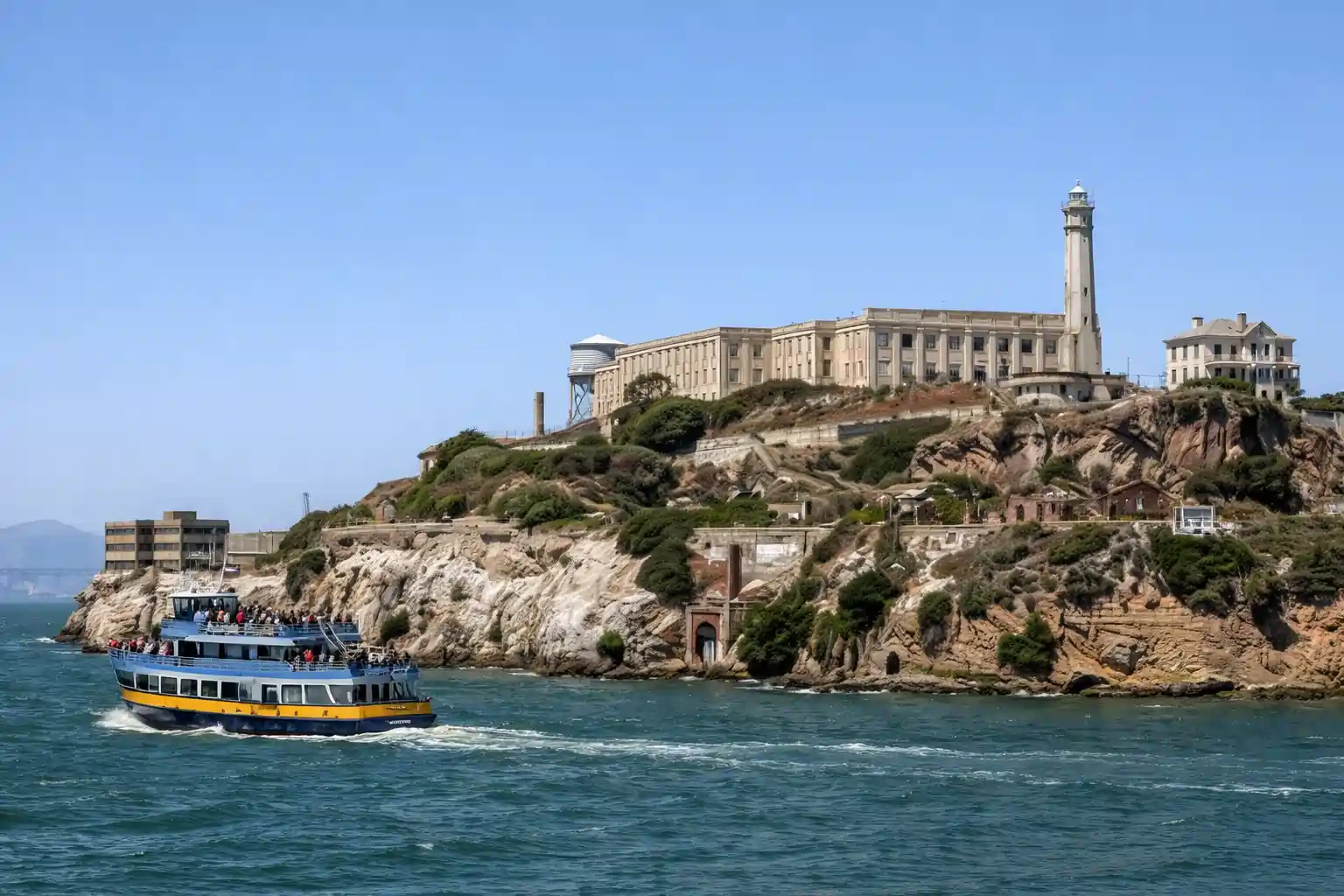
Why Was Alcatraz Built? Key Decisions That Shaped the Island
Alcatraz is widely known as a former federal prison, but that identity only reflects a later stage in its history. The island was originally developed for strategic military purposes, and its later use as a prison was the result of practical decisions rather than initial design.
What makes Alcatraz unique is not just what it became, but how it was repeatedly adapted. Instead of being replaced, the island was reused because its location and structure consistently solved problems more efficiently than alternatives.
Why This Location Was Chosen First
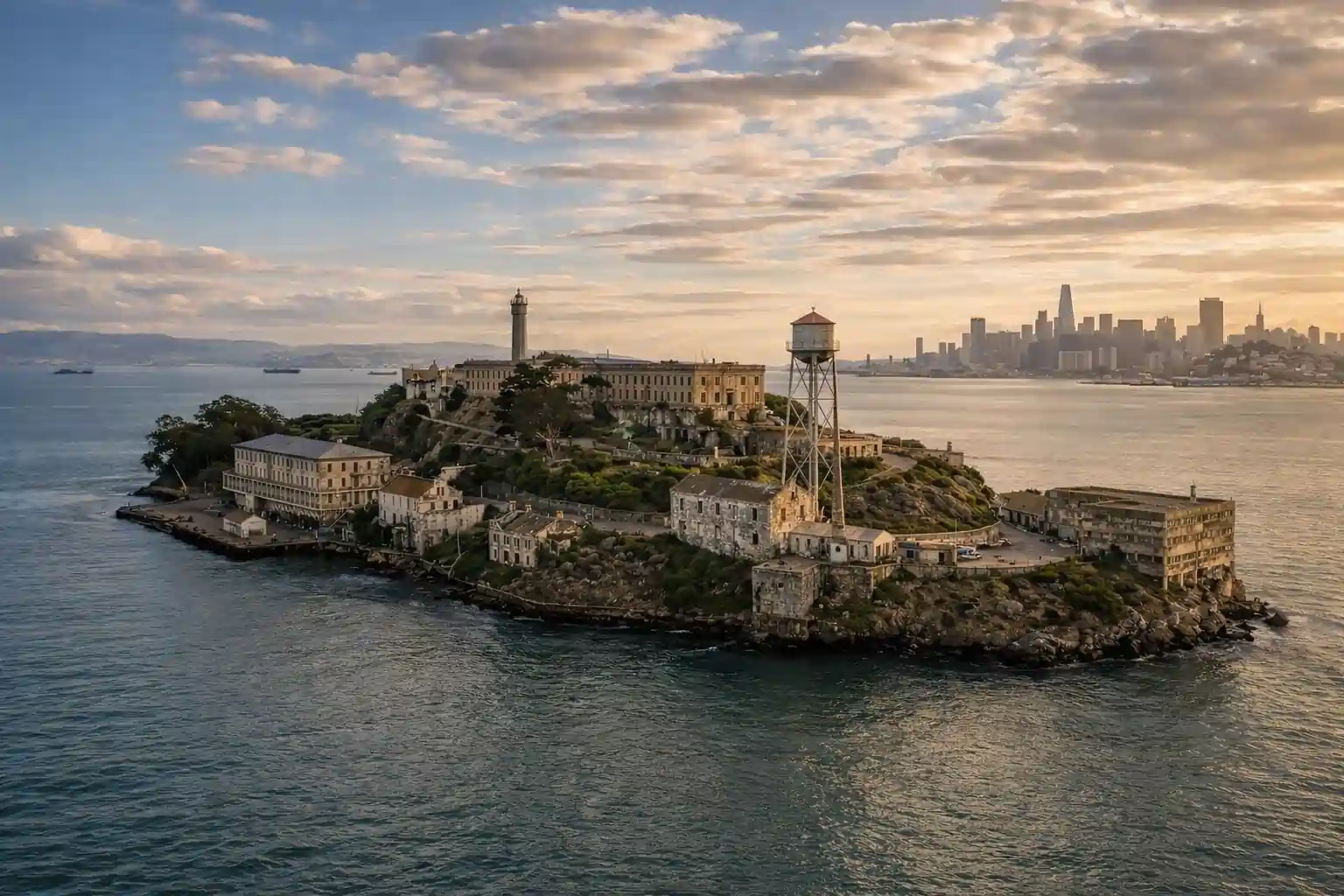
Before any construction began, Alcatraz already had strategic value due to its position in San Francisco Bay. Located approximately 1.25 miles (2 kilometers) from the mainland, it sits along the natural entry route to the harbor.
During the California Gold Rush starting in 1848, San Francisco experienced rapid economic growth. Ships carrying goods, passengers, and gold entered the bay daily, increasing both commercial importance and security risks.
From a military standpoint, controlling access to the bay was essential. Alcatraz offered a solution that reduced complexity. Instead of building multiple coastal defenses, a single fortified position could monitor and influence all incoming traffic.
Several physical characteristics made this possible:
Elevated terrain provided a wide field of visibility across the bay
Narrow maritime approach routes forced ships within range
Surrounding water created a natural defensive boundary
This combination allowed the U.S. military to establish control using fewer resources while maintaining effectiveness.
Early Development: Defense and Navigation
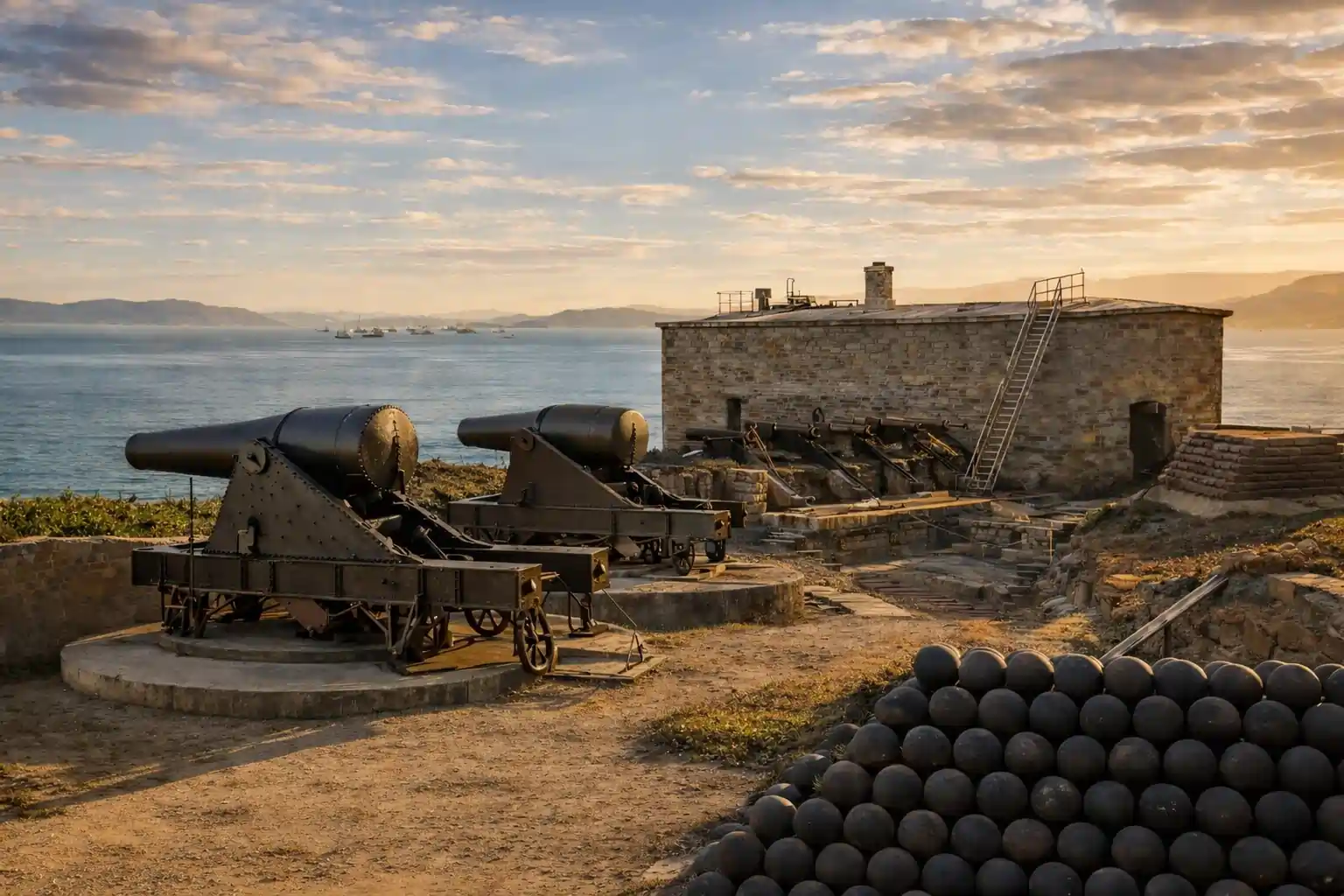
In 1850, President Millard Fillmore designated Alcatraz for military use, recognizing its importance in protecting San Francisco Bay. Construction began soon after, focusing on fortification and navigation support.
By 1854, the island was fully operational. It included the first lighthouse on the Pacific coast, which played a critical role in guiding ships through dense fog conditions common in the region. This made Alcatraz not only a defensive position but also a key navigational point.
Military infrastructure developed alongside the lighthouse:
Artillery batteries were installed to defend the harbor
Barracks and storage facilities supported personnel and supplies
Defensive walls and positions reinforced the island’s security
Although the fortifications were never used in active combat, their presence acted as a deterrent and demonstrated federal control over a rapidly growing region.
How Detention Became Part of Its Role
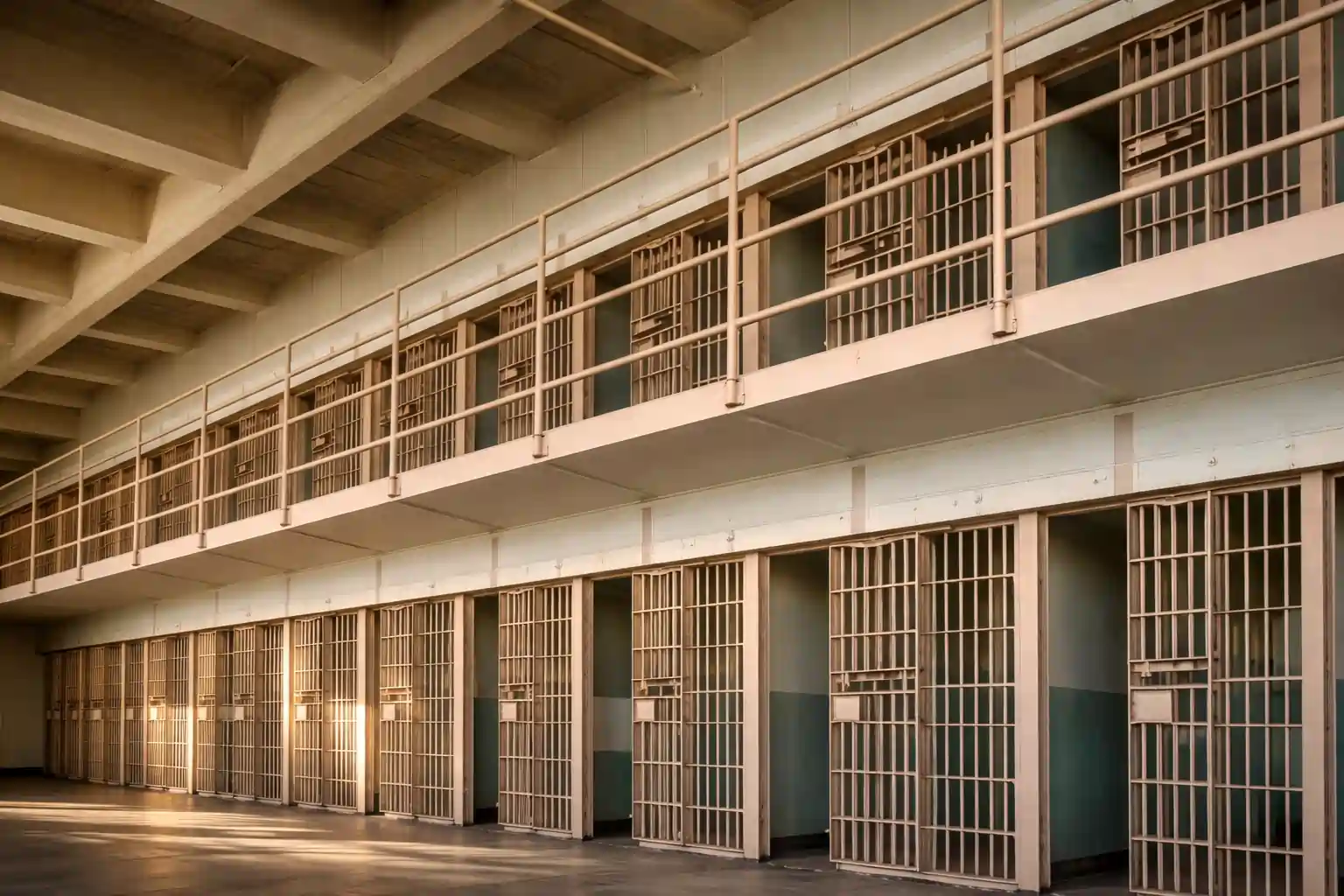
The transition from defense to detention began during the Civil War in the 1860s, but it was not part of the original plan.
The military required secure locations to hold prisoners, including Confederate sympathizers and individuals accused of disloyalty. Alcatraz already had restricted access, existing infrastructure, and natural isolation, which made it suitable for confinement without major changes.
Over time, this temporary use became more consistent. The island began holding a wider range of prisoners, including military offenders and individuals from later conflicts.
Environmental conditions strengthened its suitability:
Cold water temperatures discouraged escape attempts
Strong tidal currents created unpredictable movement
Distance from shore increased physical difficulty of escape
By the late 19th century, Alcatraz had developed a reputation as a secure detention site, even though its physical structure still reflected its military origins.
Timeline of Major Changes
The evolution of Alcatraz can be understood through key milestones:
1850 – Designated for military use
1854 – Lighthouse and fortifications operational
1860s – Used for Civil War prisoners
1907 – Officially becomes a military prison
1912 – Concrete cellhouse constructed
1934 – Converted into a federal penitentiary
1963 – Prison closed due to high operating costs
Each stage reflects adaptation rather than complete redesign.
Why the Federal Government Reused Alcatraz
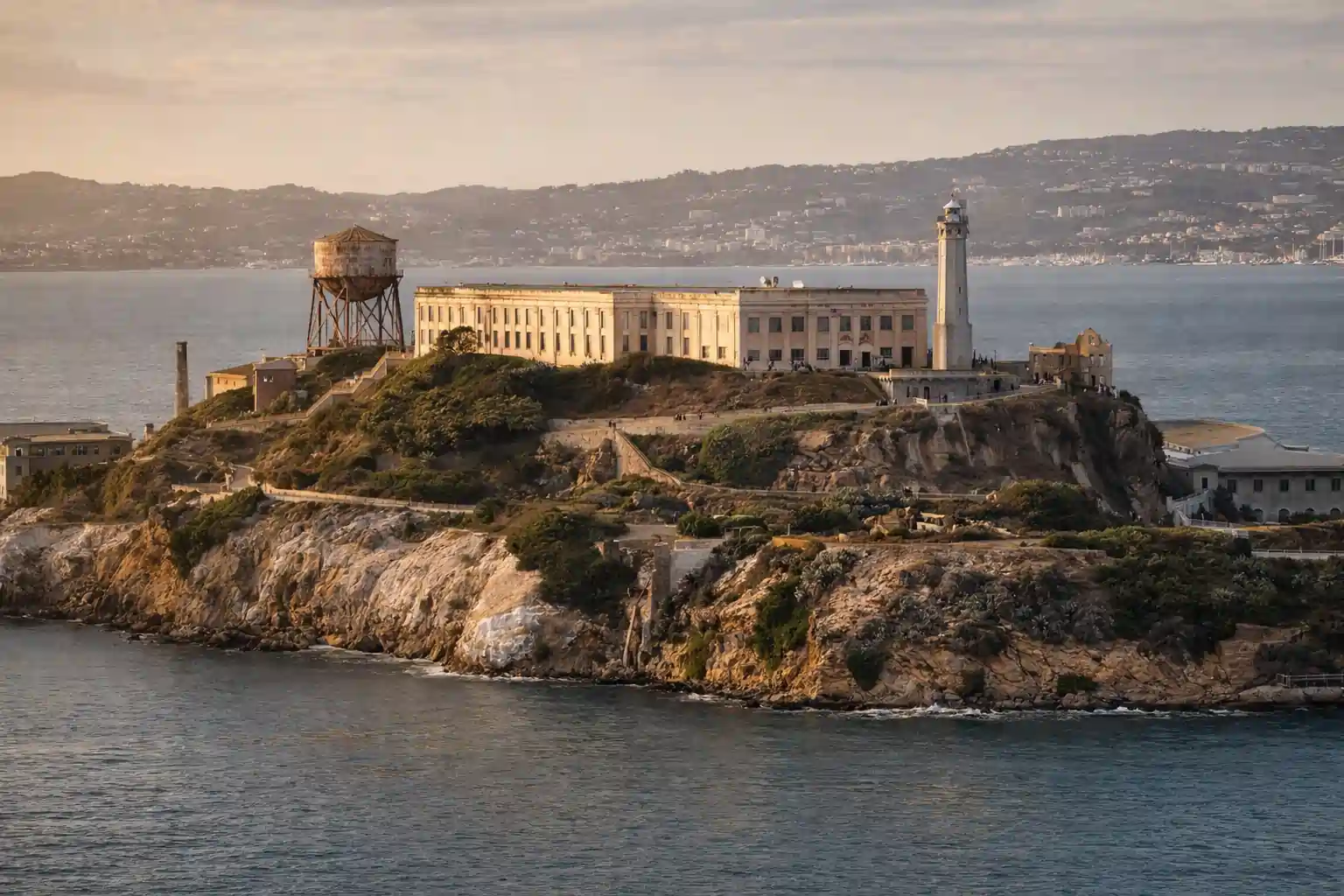
By the early 1930s, the United States faced new challenges related to organized crime. During Prohibition, criminal networks expanded across cities, and traditional prisons struggled to maintain control over certain inmates.
Some prisoners were able to communicate with external networks or influence activities beyond prison walls. This created a need for a more controlled and isolated facility.
Instead of building a new prison, the government chose Alcatraz because it already met critical requirements:
Geographic isolation limited outside communication
Controlled access reduced security vulnerabilities
Existing structures lowered development time and cost
In 1934, the island was transferred to the Department of Justice and opened as a federal penitentiary under Warden James A. Johnston.
How the Prison Was Designed to Function
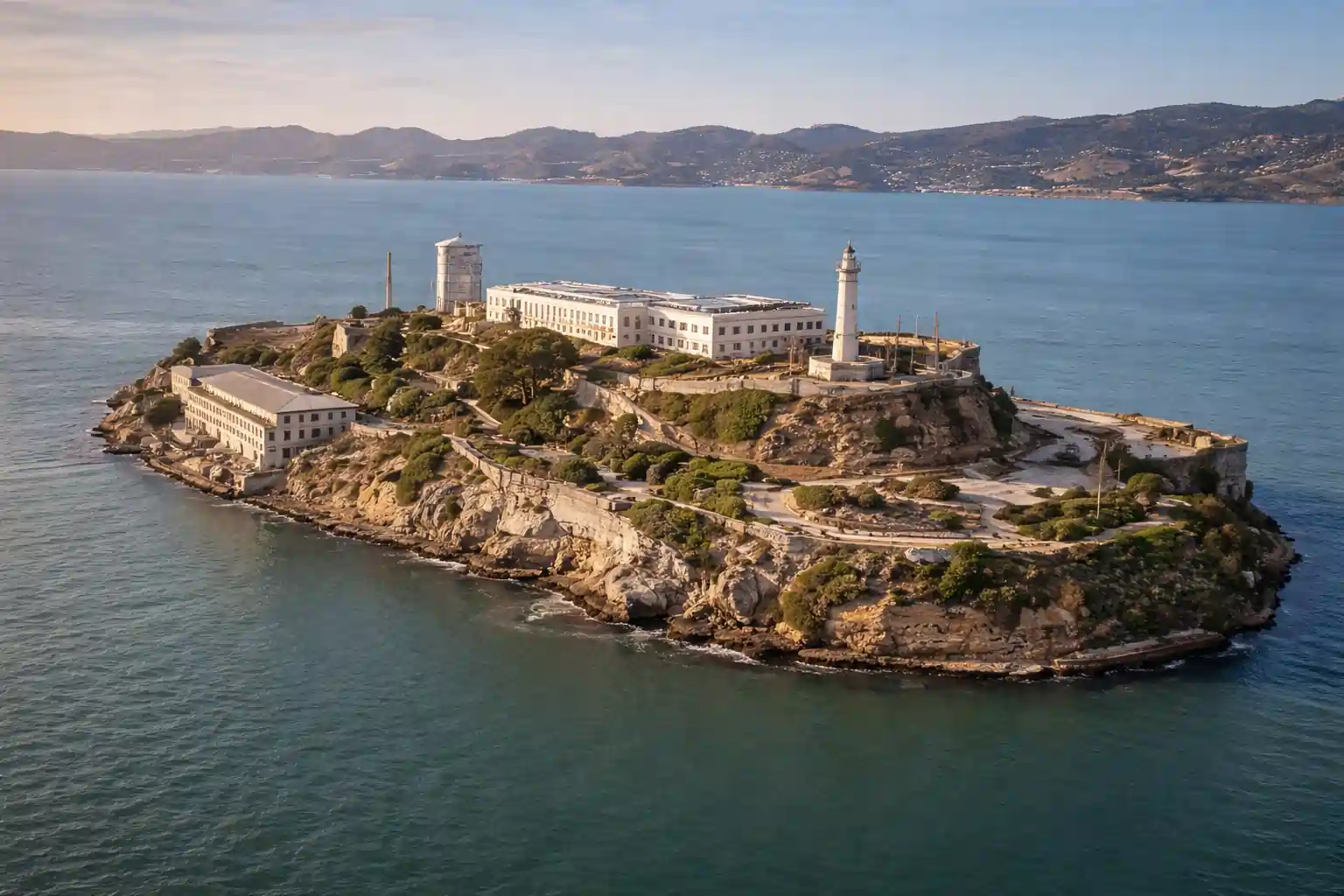
Alcatraz operated as a specialized facility rather than a general prison. It was used for inmates who required stricter supervision, including those who had caused problems in other institutions.
The system focused on discipline and control. Prisoners were guaranteed basic necessities such as food, clothing, shelter, and medical care. Additional privileges, including work assignments and recreational access, were earned through behavior.
The internal environment reinforced this structure:
Cells measured approximately five by nine feet
Furnishings were limited to essential items
Movement followed strict schedules
Communication was restricted, especially in early years
This created a system where daily life was highly regulated, and behavior directly influenced conditions.
Environmental Factors and Security
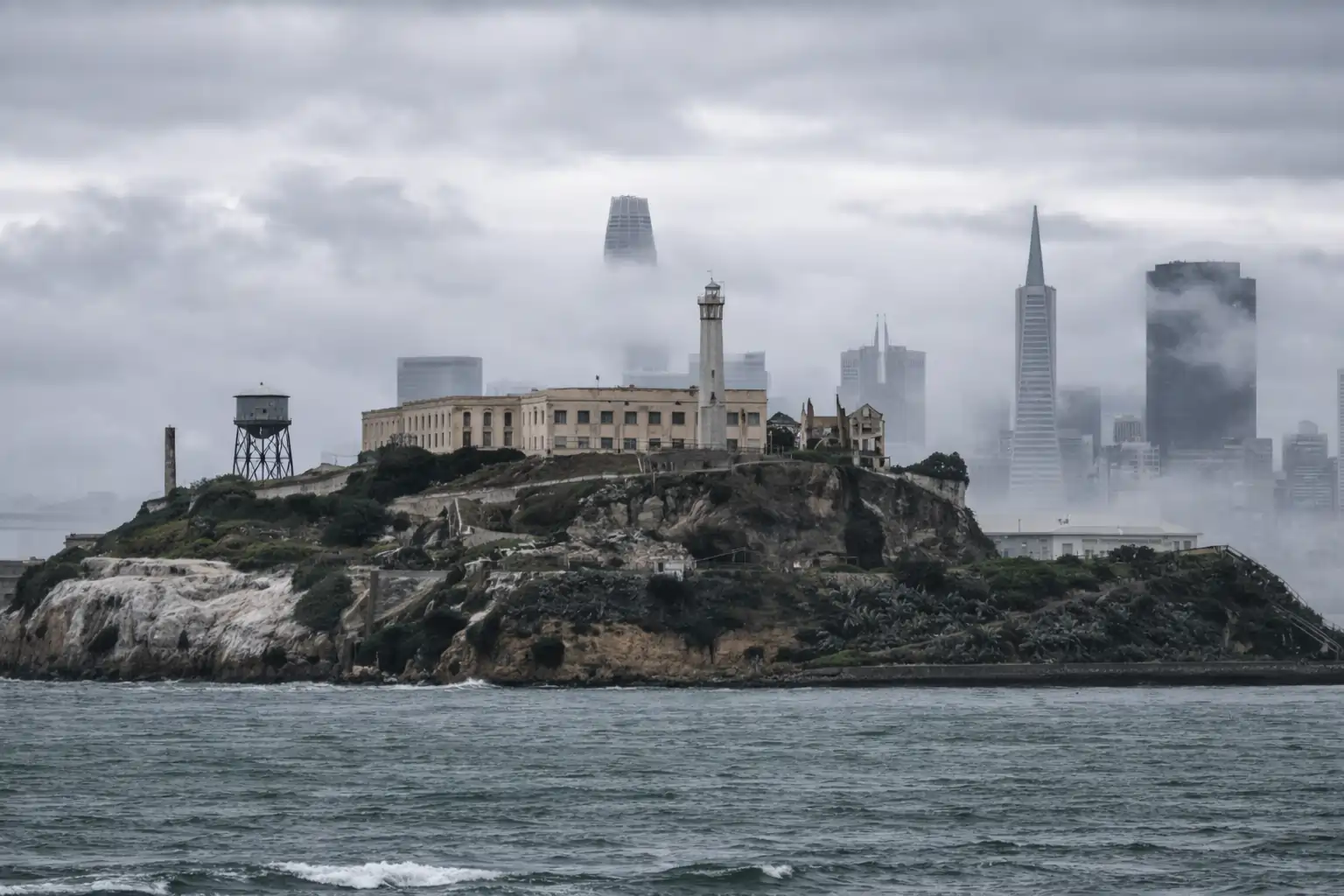
Alcatraz’s reputation for security was closely tied to its environment.
San Francisco Bay presented natural challenges that made escape attempts difficult. Water temperatures typically ranged between 10–13°C (50–55°F), and strong currents could quickly carry swimmers away from their intended direction.
The distance to shore, combined with these conditions, meant that escape required both physical endurance and precise timing.
Unlike mainland prisons, where security relied primarily on physical barriers, Alcatraz used its surroundings as an additional layer of control.
Why Alcatraz Became So Well Known
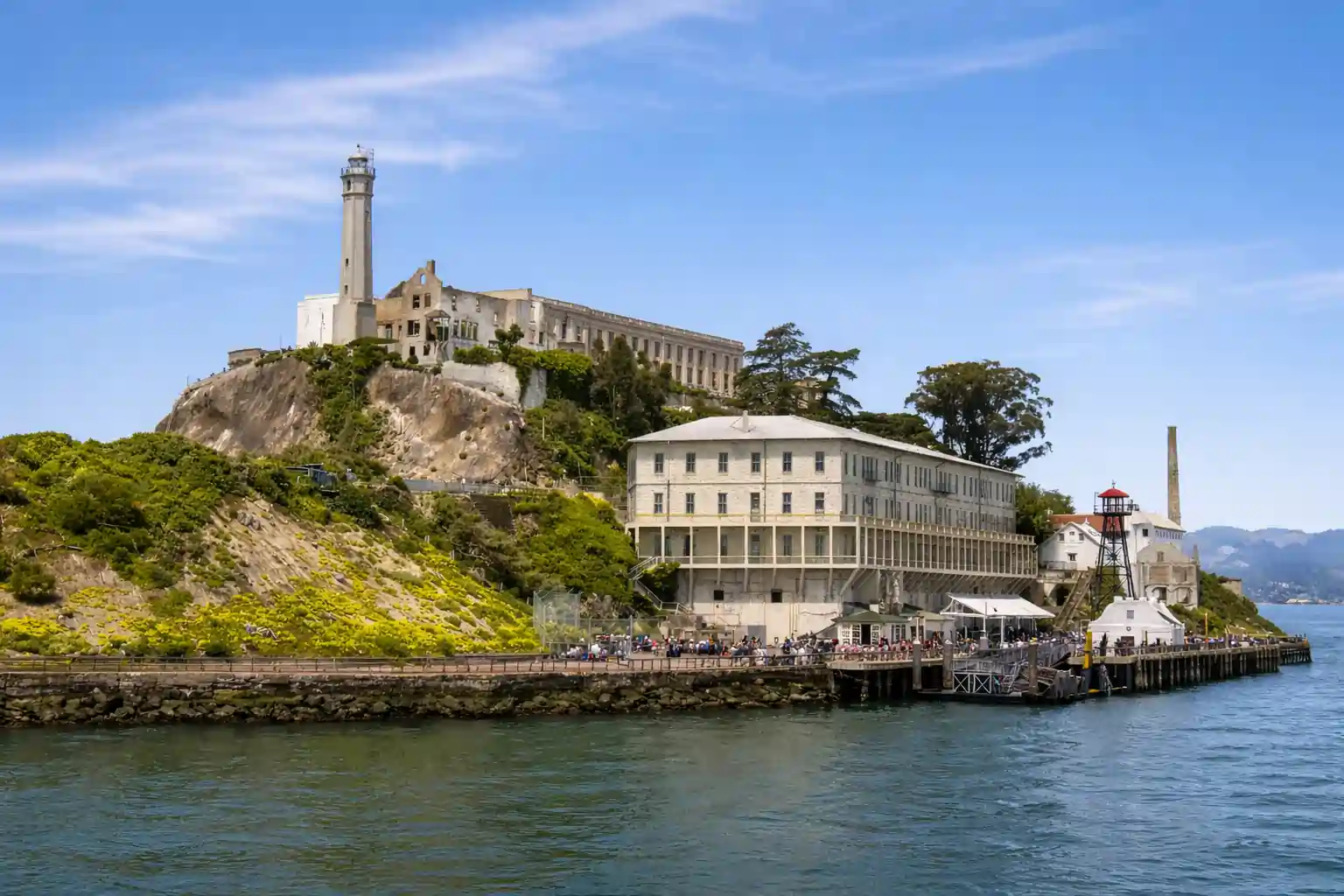
Alcatraz gained national attention not only because of its security but also because of its inmates and strict operating system.
It became associated with:
High-profile criminals
Strict discipline and limited privileges
A controlled environment designed for difficult cases
Although escape attempts did occur, most were unsuccessful. Between 1934 and 1963, 36 inmates participated in 14 escape attempts, with only a few cases remaining unresolved.
The 1962 escape involving Frank Morris and the Anglin brothers remains the most well-known example, contributing to the island’s lasting reputation.
Why Operations Ended in 1963
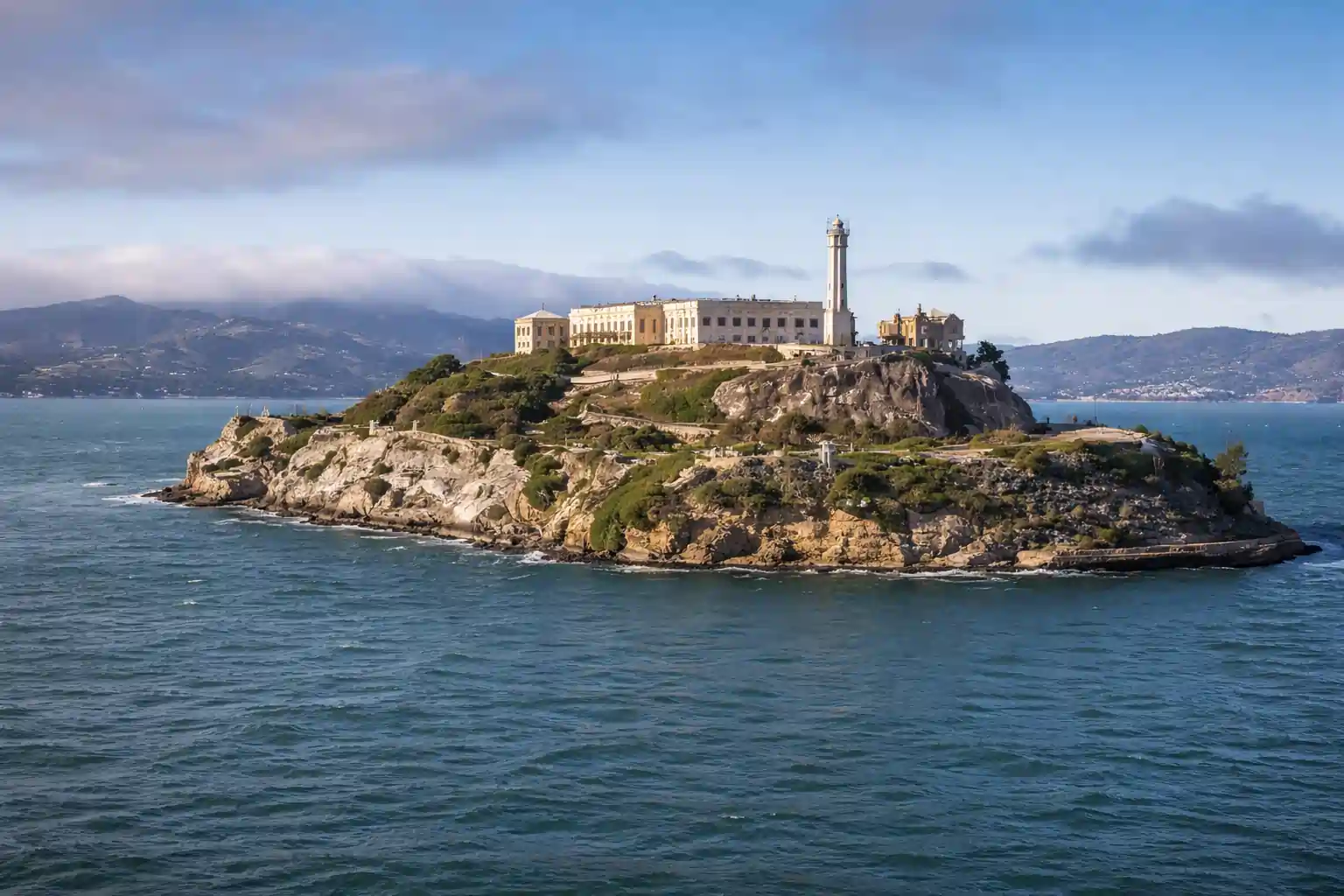
Despite its effectiveness, Alcatraz became increasingly expensive to operate.
The island lacked natural resources, requiring all supplies to be transported by boat. This included:
Fresh water, often shipped in large quantities
Food and daily provisions
Fuel and maintenance materials
Transportation for staff
At the same time, infrastructure was deteriorating due to exposure to salt air and harsh weather conditions. Maintenance costs increased steadily, and long-term repairs required significant investment.
A federal review concluded that operating Alcatraz cost nearly three times more per inmate than mainland prisons. As a result, the prison was closed on March 21, 1963.
What the Island Represents Today
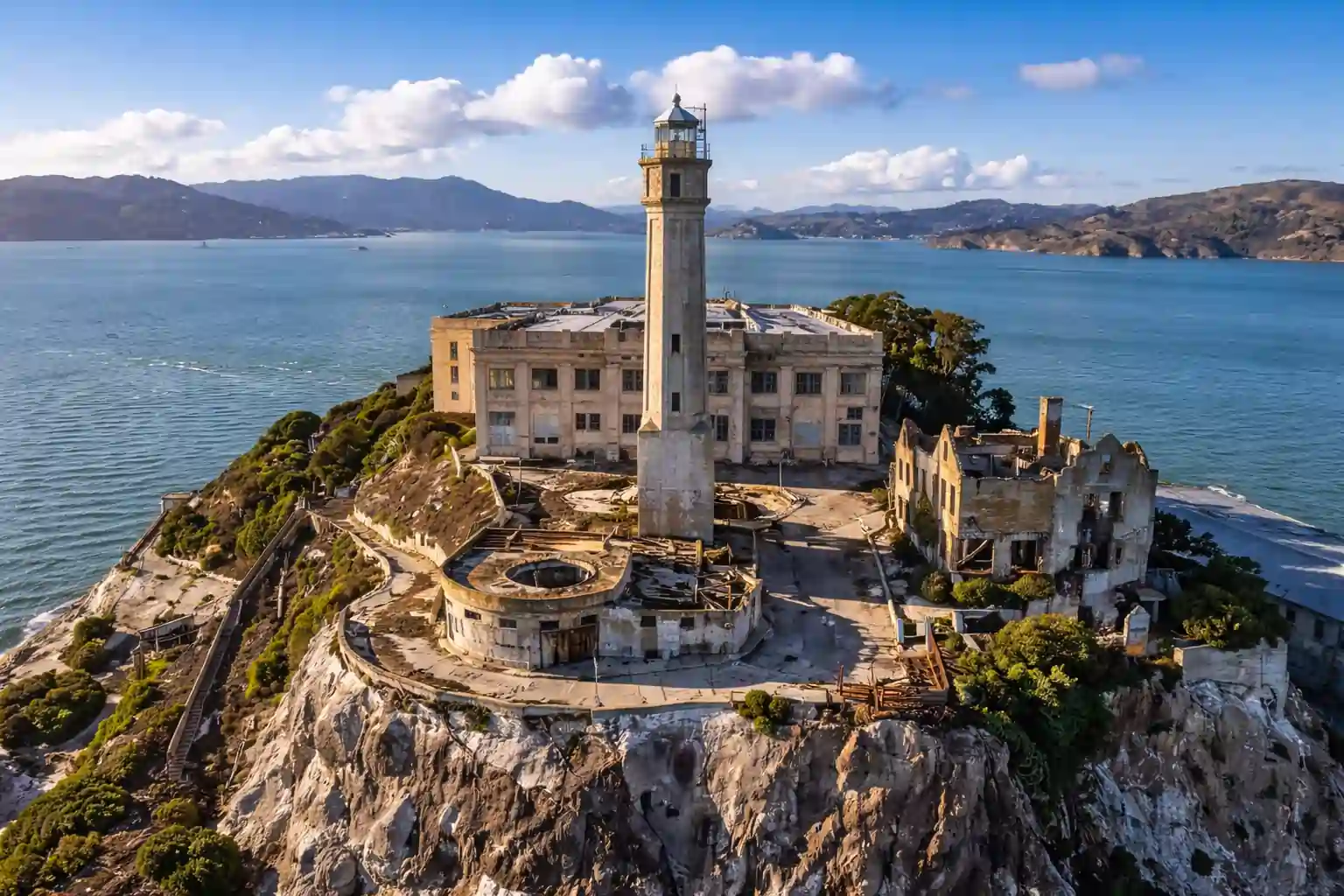
After its closure, Alcatraz transitioned into a historic site managed by the National Park Service.
Today, it attracts over 1.5 million visitors annually and offers insight into multiple phases of its history, including military use, prison operations, and later cultural significance.
Visitors can explore:
The federal prison cellhouse
Early military structures
Historical exhibits on prison life and escape attempts
A standard Alcatraz day tour provides access to these areas along with audio-guided narratives.
The Alcatraz night tour offers a different experience, with fewer visitors and a quieter environment that highlights the island’s isolation and atmosphere.
Final Perspective
Alcatraz was not built as a prison. It was developed because its location made it highly effective for controlling access to San Francisco Bay.
Its later use as a detention facility and federal prison was the result of practical decisions that reused existing advantages rather than creating new systems.
Over time, the same qualities that made it valuable also made it expensive to maintain. This led to its closure, but not before it established a lasting reputation.
Today, Alcatraz stands as an example of how a single location can serve multiple roles across history, shaped by changing needs rather than a fixed purpose.
Frequently Asked Questions
Why was Alcatraz Island built in the first place?▾
Was Alcatraz originally designed to be a prison?▾
Who made the decision to use Alcatraz for military purposes?▾
Why didn’t the government build a new prison instead of using Alcatraz?▾
When did Alcatraz start being used to hold prisoners?▾
What made Alcatraz suitable for a high-security prison later on?▾
Why did Alcatraz become a federal prison in 1934?▾
What kind of prisoners were sent to Alcatraz?▾
Why was Alcatraz considered so secure compared to other prisons?▾
Why did the prison eventually close in 1963? ▾
Adrian Davis
Published on Alcatraz Island Guide


