
Alcatraz Seabird Colony: What Your Ticket Includes Beyond the Prison
When people book Alcatraz tour tickets, they usually focus on one thing. The prison. The audio tour, the history, and the stories of inmates drive most booking decisions.
That focus makes sense, but it also creates a common gap in how visitors plan their time. They treat the island as a single-stop experience instead of a full environment that includes much more than the cellhouse.
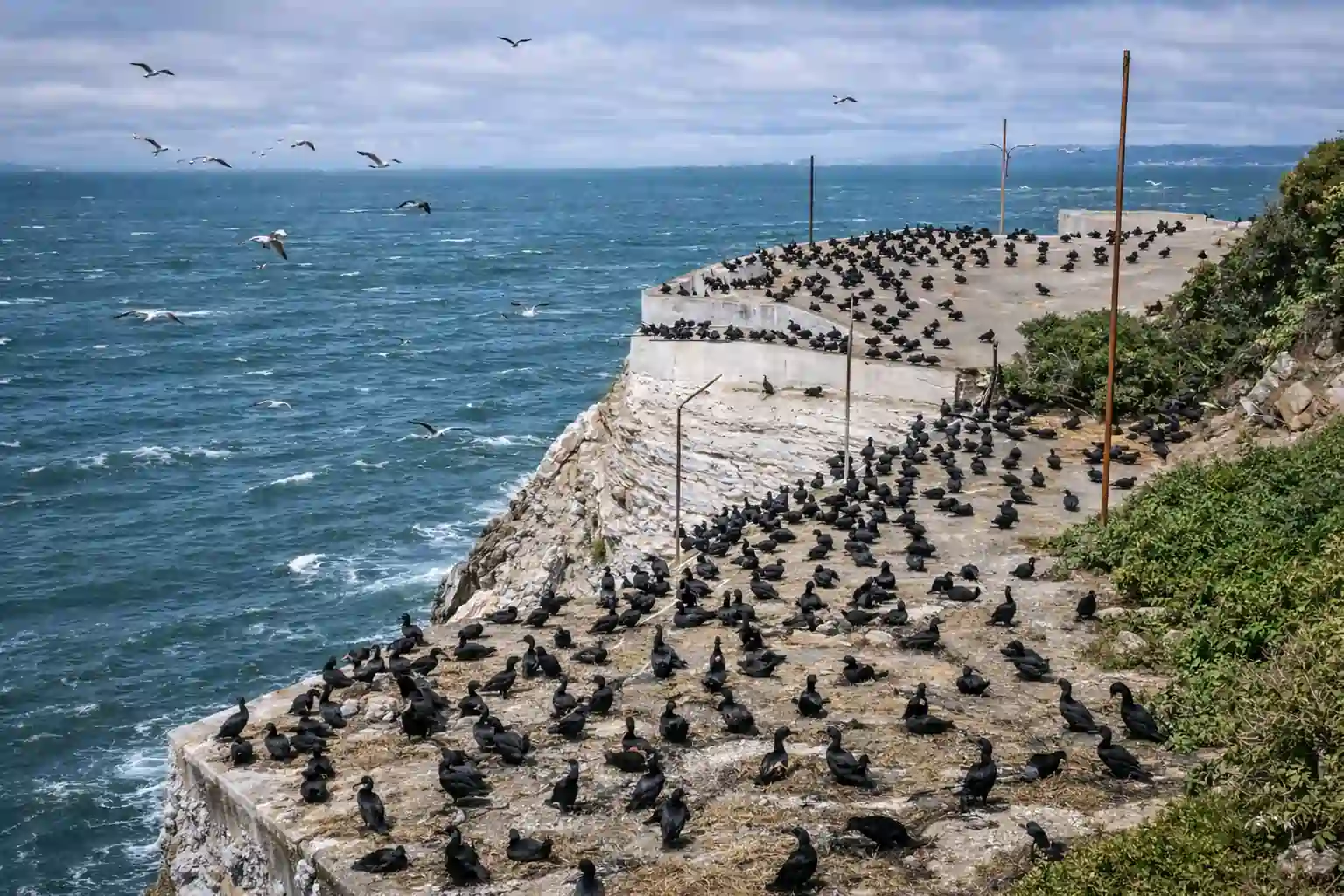
One of the most overlooked parts of the visit is the Alcatraz seabird colony that surrounds the island. Thousands of birds nest along the cliffs, creating one of the most active wildlife areas in San Francisco Bay.
This is not an optional add-on or a separate ticket. It is already included in your visit. The only difference between seeing it and missing it comes down to how you plan your time.
Why Alcatraz Is Ideal for Birdwatching
A Natural Habitat in the Middle of the Bay
The island’s location creates conditions that are difficult to replicate elsewhere.
It is surrounded by cold, fast-moving water, which acts as a natural barrier. Land predators that typically disrupt bird colonies cannot reach the island easily, which allows nesting areas to remain stable.
At the same time, the surrounding waters provide a consistent food supply. Fish are available close to the island, which reduces the need for long foraging trips and supports large populations.
Habitat Variety Supports Different Species
The structure of the island itself adds to this advantage.
Rocky cliffs provide stable nesting ledges. Vegetation areas offer cover for smaller birds. Older structures create additional sheltered spaces.
This combination allows multiple species to share the same environment without competing directly for the same conditions.
Since the prison closed and human activity on the outer island decreased, bird populations have grown steadily. Today, this makes Alcatraz one of the most accessible places to observe seabirds without specialized planning.
Birds You Are Most Likely to See
Highly Visible Species
Even without any experience in birdwatching, most visitors will notice several species during their visit.
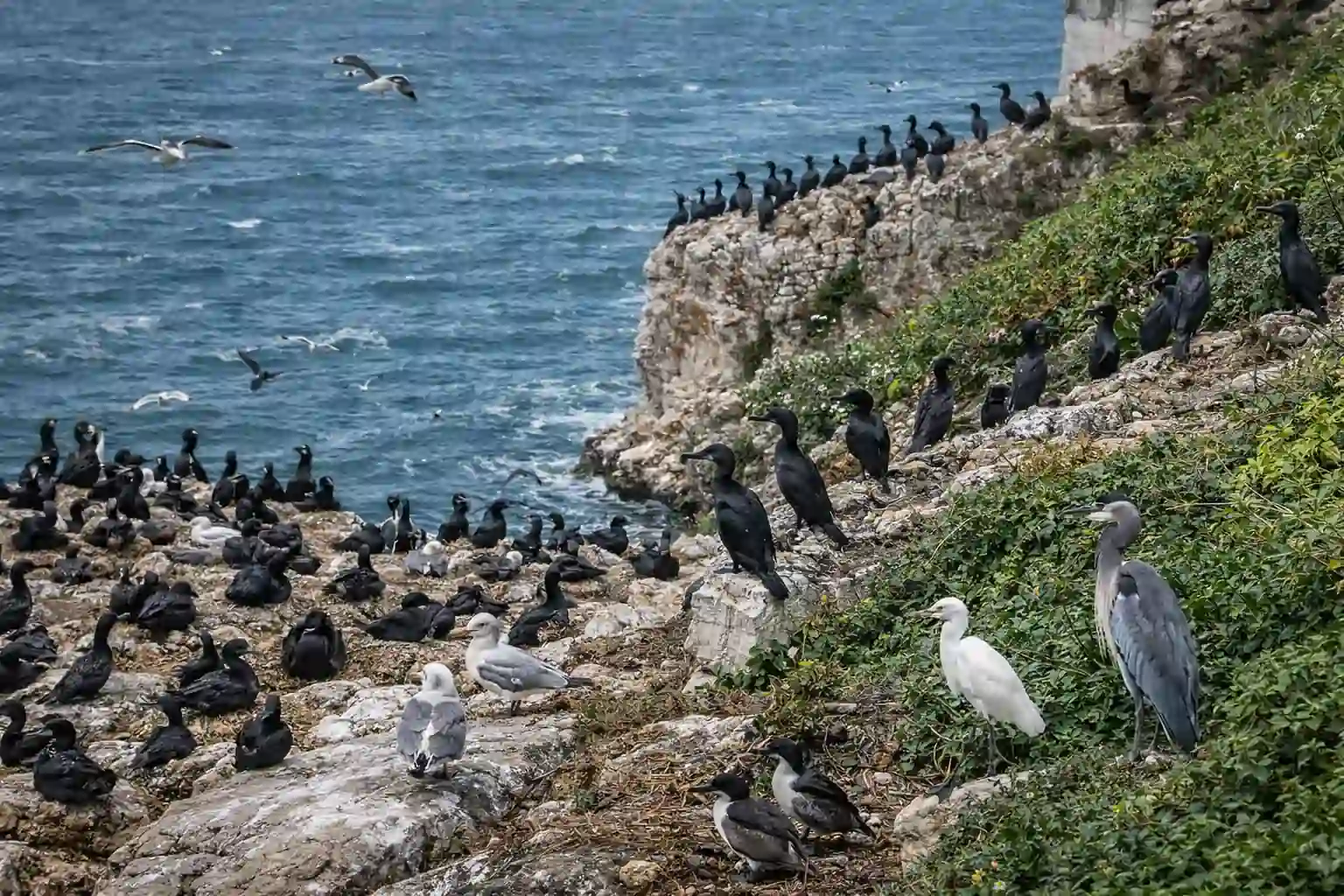
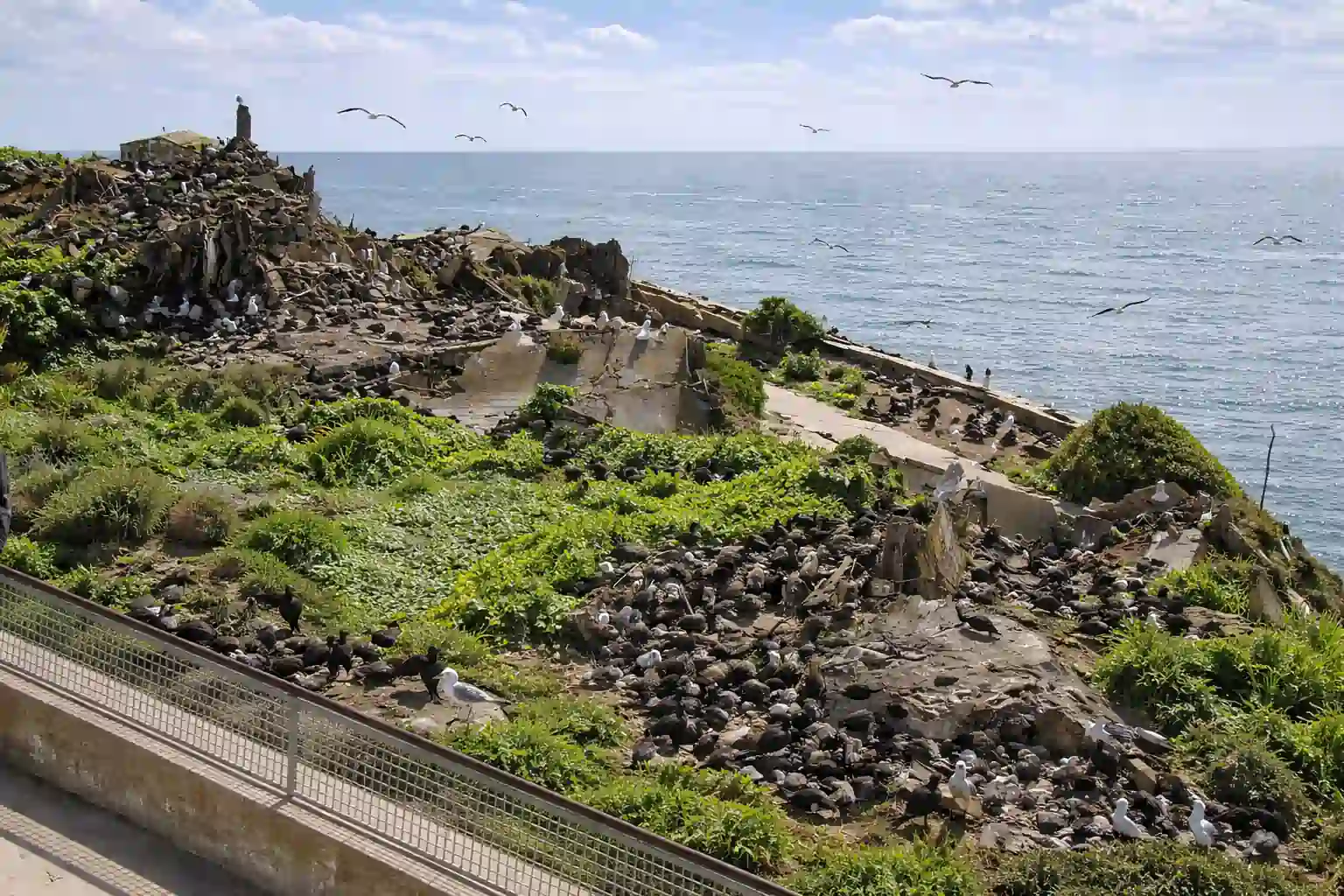
Brandt’s Cormorants are the most prominent. They gather in large groups along the cliffs, creating constant movement and sound. Their presence defines the colony during nesting season.
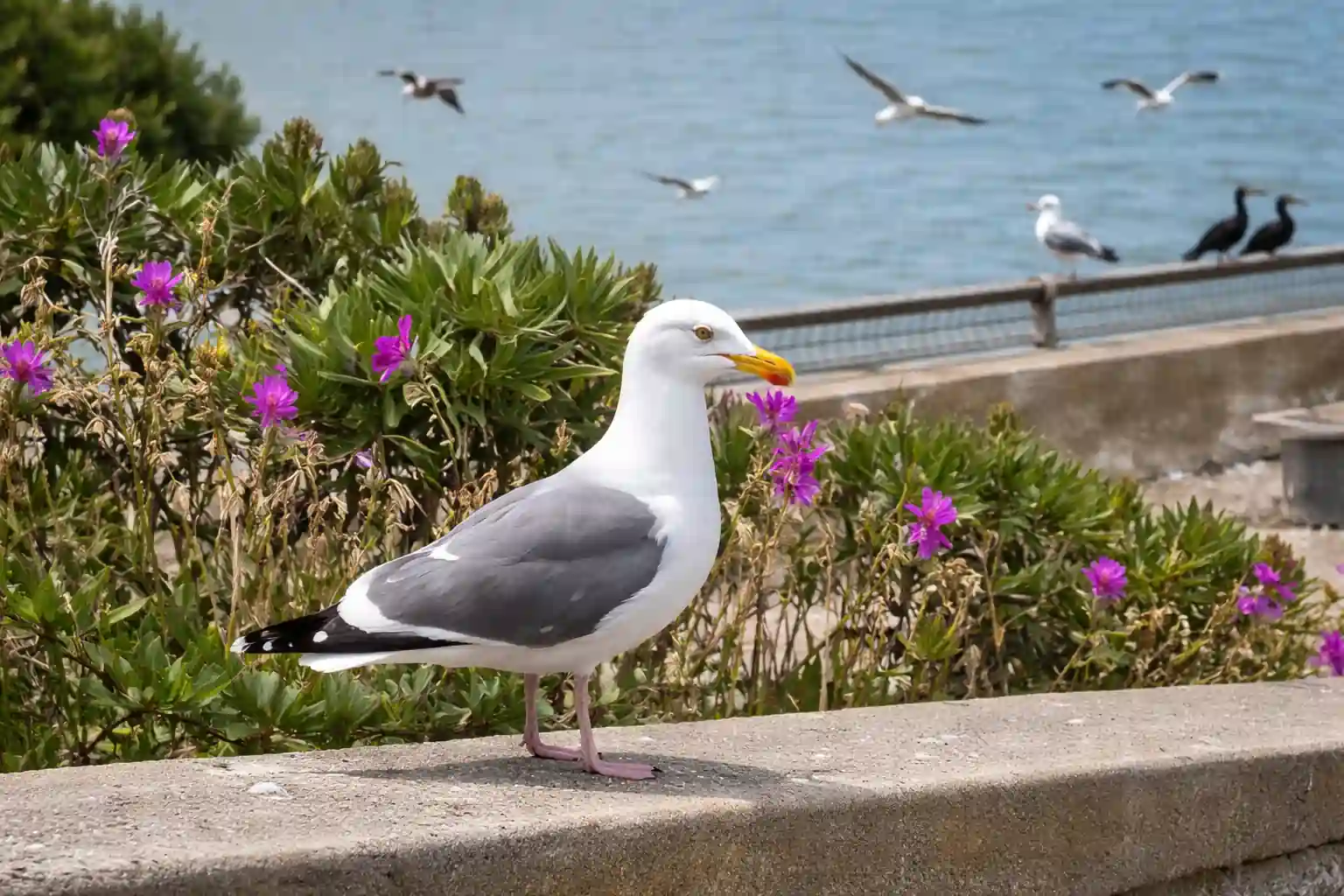
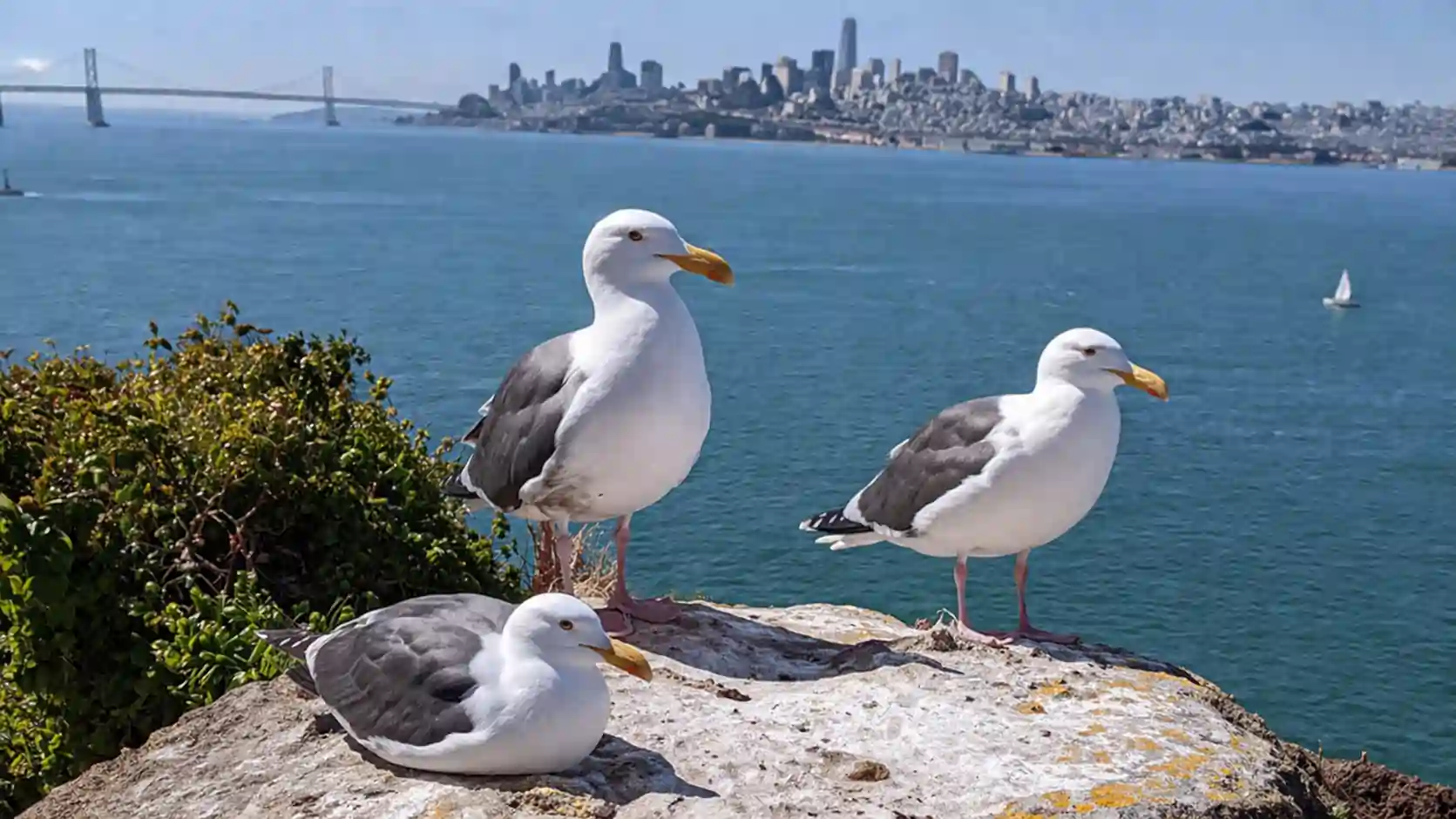
Western Gulls are present across the island throughout the year. They are easy to spot and often nest in visible locations, including rooftops and open ground.
Pelagic Cormorants are smaller and less obvious, but they are still visible along narrower ledges. Their movement and positioning make them easier to notice once you start looking more carefully.
Species That Require More Attention
Some birds are not immediately visible but become highlights if you take your time.
Pigeon Guillemots are a good example. They are smaller, nest in rock crevices, and require a bit of patience to find. Their distinctive coloring makes them stand out once spotted.
Black-crowned Night Herons appear more frequently during early morning and late afternoon. They are often found in vegetation areas rather than open cliffs.
Additional species such as Great Blue Herons and Snowy Egrets can be seen near the shoreline, especially when conditions are right.
Where to Go Without Wasting Time
Focus on the Right Areas First
If you want to include birdwatching without extending your visit too much, it helps to focus on the most productive areas.
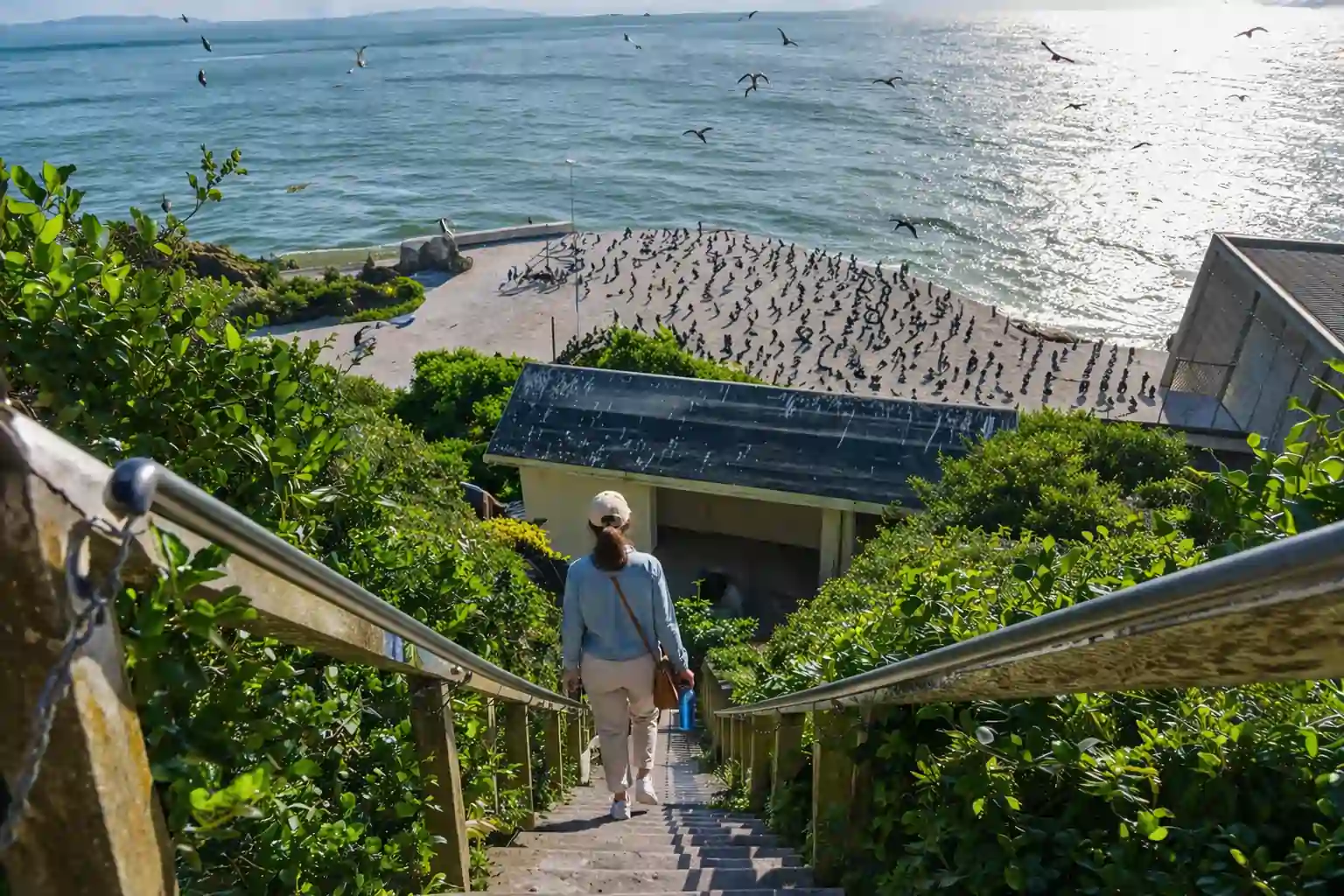
The western and northern edges of the island offer the highest concentration of activity. These areas provide clear views of nesting colonies and birds in flight.
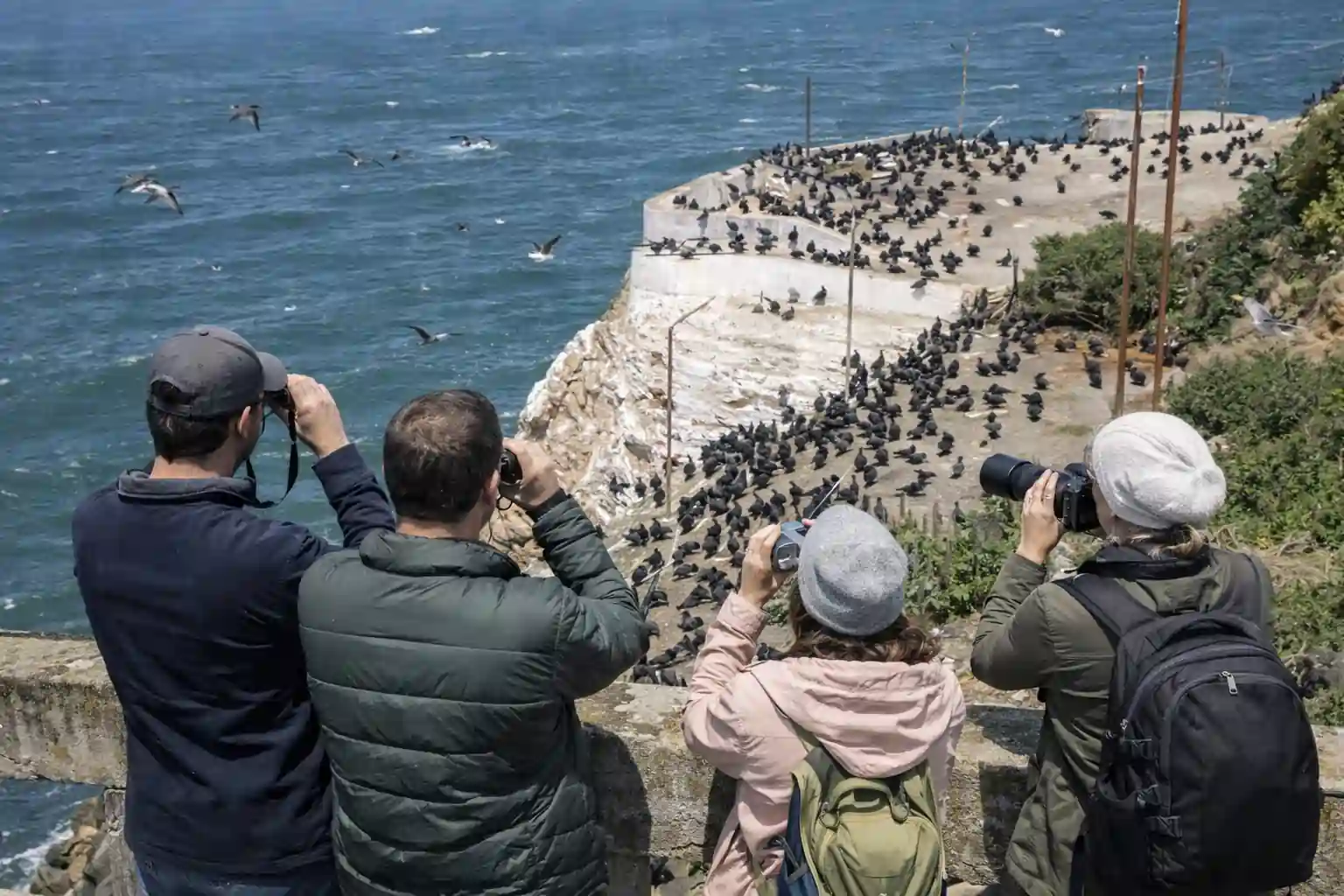
The perimeter paths bring you close enough for observation without needing binoculars or special access.
A Simple Route That Works
The easiest way to include birdwatching in your visit is to adjust your sequence.
Start with the cellhouse and complete the audio tour. Once you exit, avoid heading directly back toward the ferry.
Instead, move outward toward the edge pathways. Follow a loop that takes you along the cliffs before returning to the dock.
This allows you to include the bird colony naturally without adding unnecessary time.
Visitors who follow this approach during an Alcatraz Day Tour often find that this part of the visit becomes one of the most memorable.
When to Plan Birdwatching Into Your Ticket
Think in Terms of Total Time, Not Just Entry Time
Most visitors plan their trip around the ferry departure and the cellhouse audio tour. That is a good starting point, but it often leads to a rushed experience once you are on the island. The key shift is to plan for total time on Alcatraz rather than treating your visit as a fixed slot.
A complete visit that includes the prison and the outer colony areas usually takes between two and a half and three hours. This gives you enough time to move through the audio tour at a steady pace and still explore the perimeter paths where bird activity is concentrated.
If your schedule is tight, choose an earlier ferry. That simple decision gives you more flexibility to stay longer instead of feeling pressure to leave as soon as you finish the cellhouse.
How Much Time to Allocate
You do not need to double your visit to include birdwatching. You need a clear plan for how to use your time once you step outside the prison.
A practical breakdown looks like this:
Ferry ride: about 15 minutes each way
Cellhouse audio tour: 45 to 60 minutes
Outer pathways and birdwatching: 30 to 45 minutes
This structure keeps your visit efficient while still allowing you to experience more than the standard route.
Best Time of Year to See the Colony

Peak Season Delivers the Most Activity
Spring, from March through June, is the strongest period for birdwatching. During this time, nesting, courtship, and feeding all happen at once. The colony becomes more active, and the number of birds on the cliffs increases significantly.
You will notice constant movement across the nesting areas, along with a steady stream of birds arriving and leaving the island. The sound level also increases, which adds to the overall sense of scale.
What to Expect in Other Seasons
Summer continues to offer strong viewing conditions. The colony remains active, although the pace becomes more consistent as chicks grow and feeding patterns stabilize. Even during busy travel months, the outer pathways provide enough space to observe birds without heavy crowding.
Autumn and winter present a quieter version of the island. There are fewer birds and less activity, but the reduced visitor numbers can make it easier to explore at your own pace. This is a good option if you prefer a less crowded environment.
Best Time of Day Based on Your Ticket
Morning vs Afternoon Visits
The time of day you choose affects both bird activity and overall crowd levels.
Morning visits tend to be more productive. The first ferry arrives before peak visitor flow, and birds are more active during early hours. This combination makes it easier to observe behavior rather than just presence.
Afternoon visits offer a more relaxed pace. By this time, some visitors have already left, which opens up the outer areas. While activity may be slightly lower than in the morning, the improved space makes it easier to move around and take your time.
If your goal is to combine strong activity with comfortable movement, a late morning or early afternoon slot often provides the best balance.
What the Experience Feels Like Outside the Main Route
The Transition After the Cellhouse
Once you leave the prison, the environment changes quickly. Inside, everything is structured and controlled. Outside, the space opens up, and your pace becomes more flexible.
When you move toward the outer pathways, the sound of the colony becomes the dominant feature. It builds gradually as you approach the cliffs and then settles into a constant background that defines the area.
What Stands Out Most
Continuous movement across the cliffs and water
Layers of sound from different bird species
Open views of the bay and surrounding landmarks
The contrast between natural activity and built structures
This part of the visit often feels less planned and more exploratory, which is why it stands out even for visitors who did not expect it.
Common Planning Mistakes to Avoid
Leaving Too Soon
Many visitors finish the cellhouse and head back to the ferry immediately. This is the main reason the bird colony is missed.
Staying for an extra thirty minutes is usually enough to include the outer areas without affecting your overall schedule.
Following Only the Audio Route
The audio tour focuses on the prison interior. If you follow it strictly and return to the dock, you will miss most of the island’s outdoor features.
Expanding your route after the tour is the simplest way to improve your experience.
Not Using Ferry Flexibility
Return ferries run frequently, which means you are not locked into a single departure. Many visitors do not take advantage of this and leave earlier than necessary.
Using this flexibility allows you to explore at your own pace.
Practical Tips to Get More Value From Your Ticket
Arrive early at Pier 33 so you can board without rushing and start your visit comfortably.
Plan your visit around total time on the island instead of just your entry slot.
Spend time on the outer pathways after completing the cellhouse tour.
Stay aware of marked nesting areas and follow park guidelines to protect wildlife.
Why Birdwatching Adds Real Value to Your Ticket
It Expands What You Experience
Most visitors leave Alcatraz with a clear impression of the prison. They remember the layout, the stories from the audio tour, and the overall atmosphere inside the cellhouse. That part of the visit is strong, but it represents only one dimension of the island.
When you include the bird colony, the experience becomes more complete. You move from a structured, historical narrative to something that is active and ongoing. The island stops feeling like a single-purpose site and starts to feel like a place with multiple layers.
This shift does not require extra cost. It only requires a small adjustment in how you use your time.
It Changes How You Remember the Visit
The most memorable parts of a visit are not always the ones you plan for. Many visitors expect the prison to stand out, and it does. What they do not expect is the scale and energy of the bird colony.
Standing near the cliffs, hearing the constant movement, and seeing thousands of birds in one place creates a different kind of impression. It adds contrast to the prison experience and gives you a broader understanding of the island.
Over time, these moments often become just as important as the main highlights.
Quick Planning Checklist
Before You Book
Choose an earlier ferry if you want flexibility. This gives you more time on the island without needing to rush.
Decide in advance that you will include outdoor exploration. This makes it easier to structure your visit properly.
While You Are on the Island
Complete the cellhouse tour at a steady pace without rushing.
Move toward the outer pathways instead of heading directly back to the dock.
Spend at least 30 to 45 minutes exploring the cliffside areas.
Before You Leave
Take advantage of flexible return ferries instead of leaving at the first available time.
Use the final part of your visit to explore areas you may have missed.
Is It Worth the Extra Time
For most visitors, the answer is yes.
The bird colony is not a separate attraction that requires additional effort. It is part of the island experience that becomes visible when you give yourself enough time to explore.
Including it does not complicate your visit. It improves it.
Final Thoughts
Alcatraz is often viewed as a single experience, but it offers more than what is immediately visible. The prison defines its reputation, while the bird colony adds depth that many visitors do not expect.
If you use your ticket fully and explore beyond the main route, the visit becomes more balanced and more memorable. The difference comes from how you plan your time, not from what you pay.
A small adjustment in your approach can turn a standard visit into a complete one.
Frequently Asked Questions
Can you go birdwatching on Alcatraz Island?▾
What birds can you see on Alcatraz Island?▾
Is birdwatching included in Alcatraz tickets?▾
Where are the best birdwatching spots on Alcatraz?▾
When is the best time to see birds on Alcatraz Island?▾
What time of day is best for birdwatching on Alcatraz?▾
Do you need binoculars for birdwatching on Alcatraz?▾
How much time should you spend birdwatching on Alcatraz?▾
Can you see birds during the Alcatraz night tour?▾
Why do many visitors miss birdwatching on Alcatraz?▾
Adrian Davis
Published on Alcatraz Island Guide


