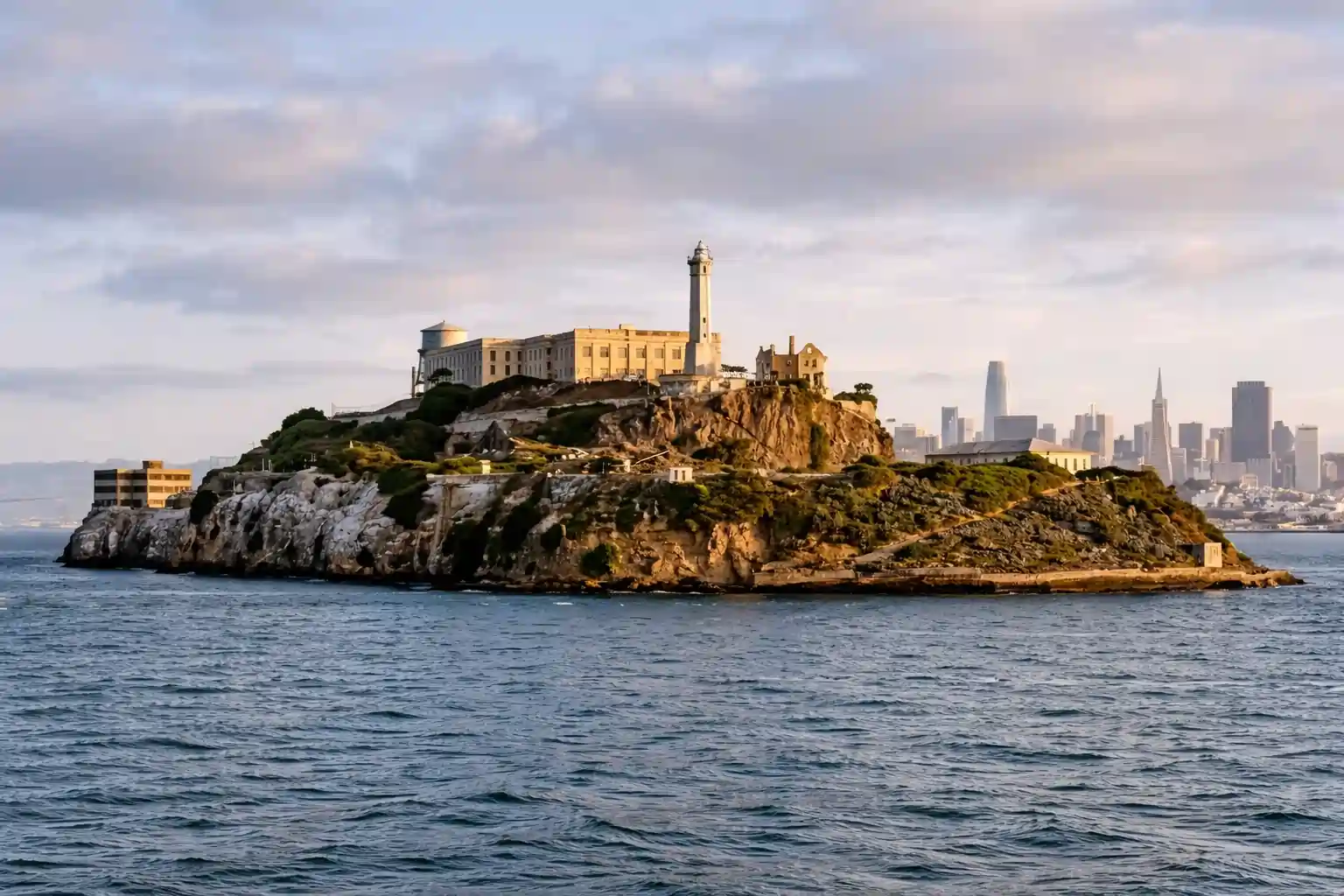
Movies Featuring Alcatraz Island: Iconic Films That Shaped Its Image
Why Alcatraz Became a Go-To Film Location
Alcatraz stands out because it does not rely on cinematic tricks to feel dramatic. Its geography, structure, and history already create tension that translates directly to screen.
The island is located about 1.25 miles (2 km) from San Francisco, surrounded by cold, fast-moving water. On camera, this separation is immediately visible, making isolation feel real rather than implied.
At the same time, the prison’s design, narrow corridors, stacked cell blocks, and controlled sightlines, naturally supports storytelling.
Key elements that filmmakers consistently use:
Long corridors that create depth and visual direction
Elevated walkways that allow layered framing
Open bay views that contrast confinement with freedom
Natural fog that changes tone without artificial lighting
Because of this, Alcatraz often feels like part of the story rather than just a setting.
1. The Rock (1996)
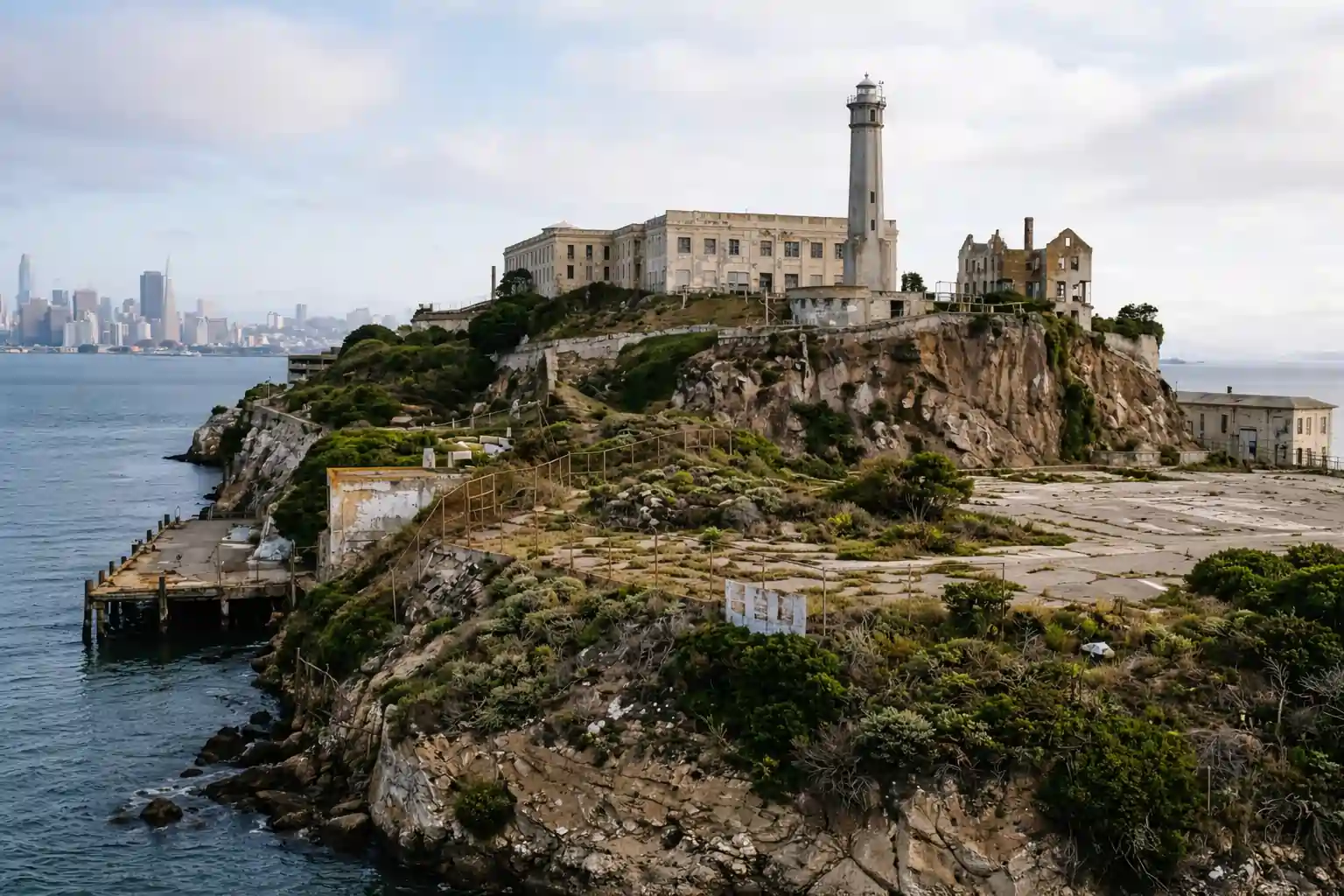
The Rock transformed Alcatraz into a global cinematic landmark. The film presents the island as a high-risk military target, combining real architecture with large-scale action.
The story centers on a rogue unit taking control of the island, forcing a response team to navigate the prison’s structure under pressure.
What makes the film effective is how it uses real spatial constraints.
The shower room becomes a confined confrontation zone
The cellhouse corridors are used for tactical movement
The underground sections expand the perceived complexity of the island
Even when sets are used, they closely replicate the real environment, which maintains authenticity.
How to experience this in real life:
When you step inside the cellhouse, pause in one of the long corridors and look straight down its length. The tight spacing, echo, and limited visibility recreate the same sense of controlled tension seen in the film. If you stand still for a moment, you can understand how movement inside this space becomes strategic rather than casual.
During an Alcatraz night tour, this effect becomes stronger. Reduced lighting and fewer people make the environment feel more confined, closer to how it is portrayed in the film.
2. Escape from Alcatraz (1979)
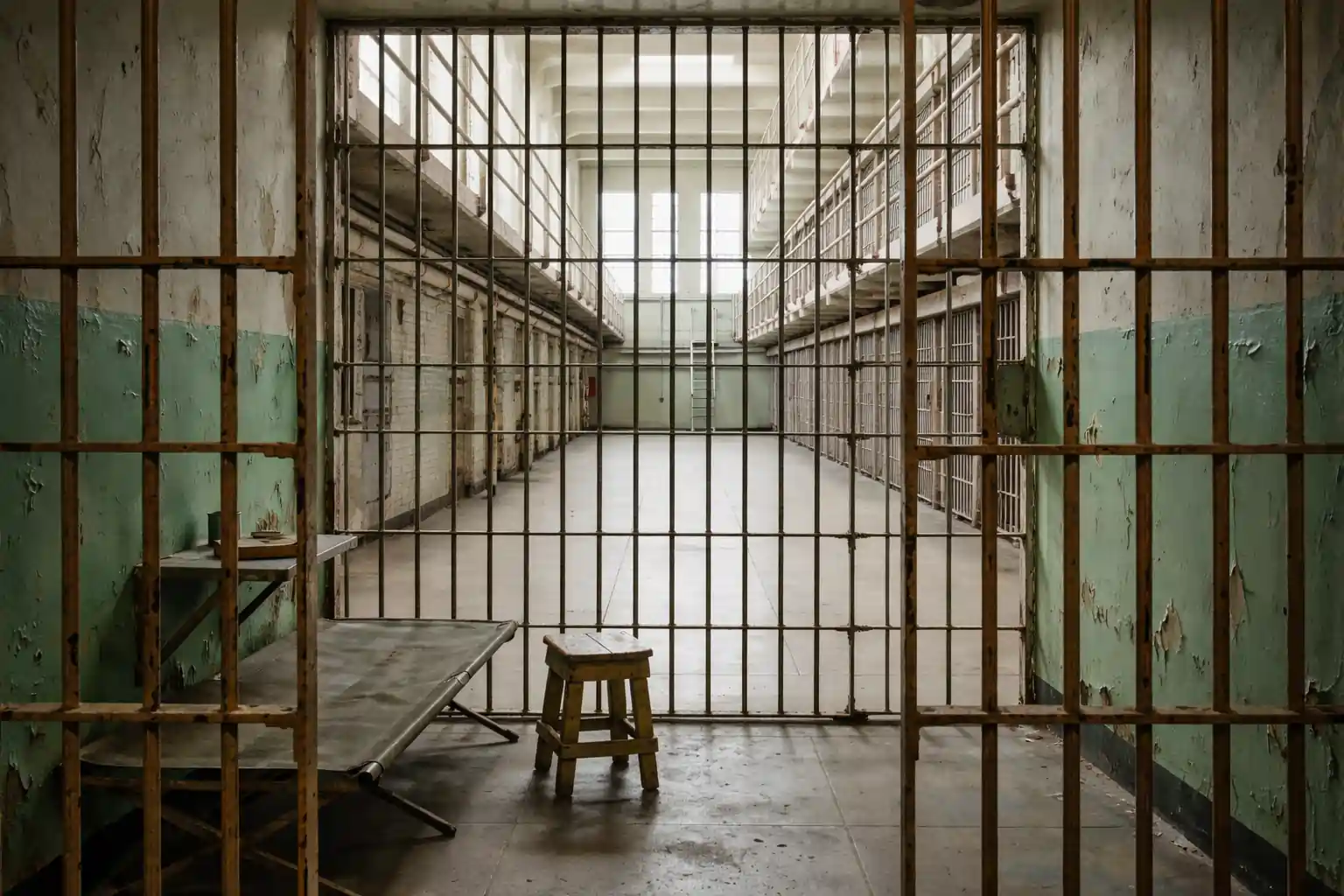
This film focuses on the real 1962 escape attempt and takes a completely different approach from action-driven narratives.
Instead of fast pacing, it builds tension through routine and detail. Clint Eastwood’s portrayal of Frank Morris is quiet and observant, which reflects the nature of the real event.
The film pays attention to small but critical details:
Gradual digging inside cell walls
Creating tools from limited materials
Timing actions around guard routines
Because parts of the film were shot on the island, the physical accuracy stands out. The layout you see on screen matches the real structure.
How to experience this in real life:
Stand inside a cell and look toward the corridor, then back toward the rear wall. The limited space immediately explains why the escape required careful planning. When you walk along the cell rows, notice how visible everything is from different angles. This helps you understand how difficult it was to act without being detected.
On an Alcatraz day tour, this connection becomes clear because the environment has not been significantly altered.
3. X-Men: The Last Stand (2006)
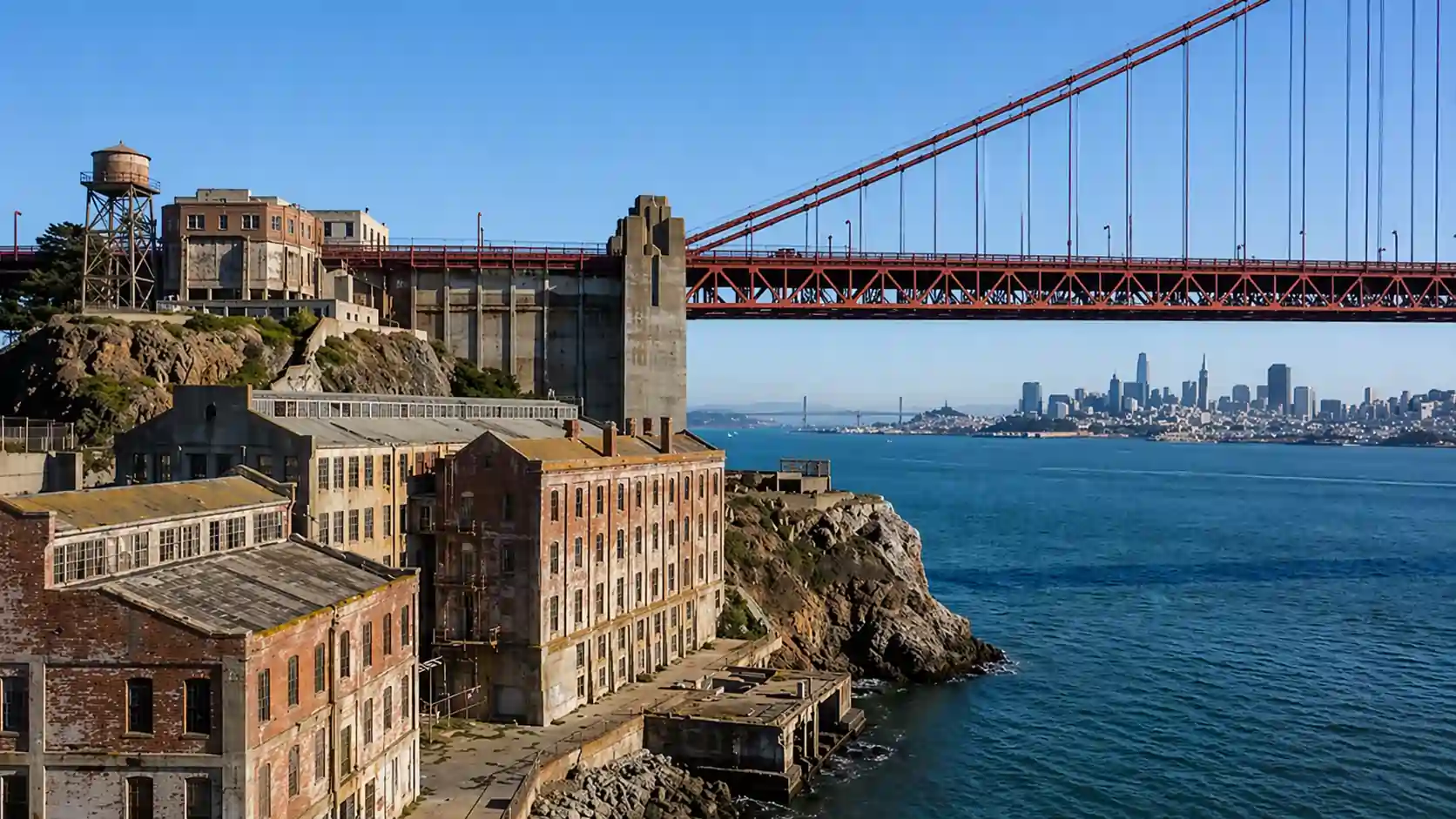
In this film, Alcatraz is used as the location for a major fictional conflict. The island becomes a facility tied to control and containment, which aligns with its historical identity.
Even though the story involves large-scale visual effects, the choice of Alcatraz is intentional.
The island represents:
Isolation from society
Controlled environments
A boundary between freedom and restriction
One of the most recognizable scenes involves the Golden Gate Bridge being repositioned to connect to the island. While fictional, the geography still grounds the scene in reality.
How to experience this in real life:
From the eastern side of the island, face the San Francisco skyline and then turn back toward the cellhouse. This shift in perspective highlights the same contrast used in the film, open space versus controlled structure. The visual relationship between the island and the city is what gives the scene its impact.
4. Point Blank (1967)
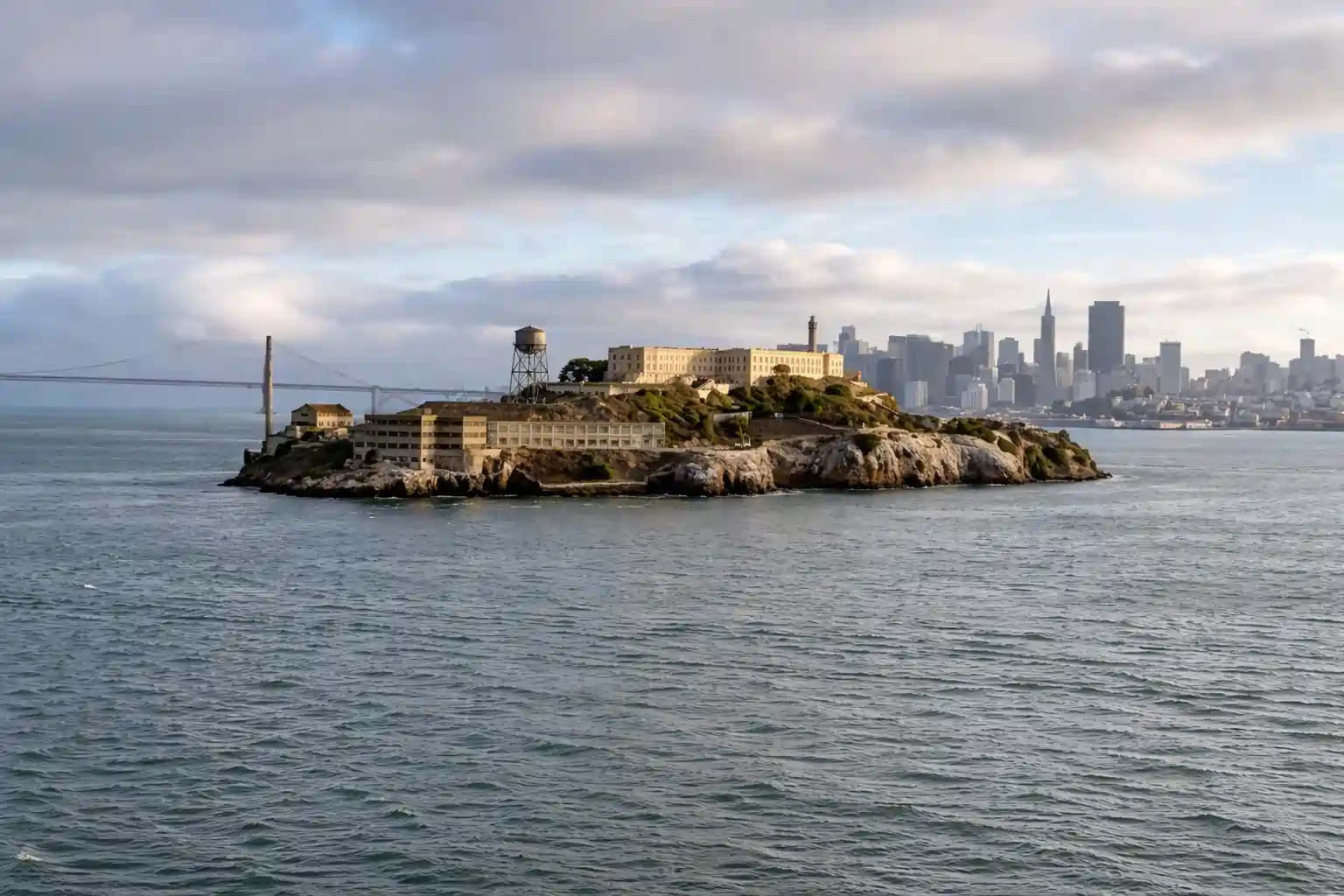
Point Blank captures Alcatraz in a state that no longer exists today. Filmed shortly after the prison closed, the island appears empty, unmaintained, and exposed.
This version of Alcatraz feels different from later portrayals.
Surfaces are more worn and untreated
Spaces feel larger due to the absence of activity
The atmosphere is quieter and more isolated
The film uses this condition to create a cold, detached tone rather than tension through action.
How to experience this in real life:
Walk toward the less crowded outer areas of the island and pause away from the main flow of visitors. When the surrounding noise drops, the space begins to feel closer to how it appears in the film. The absence of movement changes how you perceive scale and isolation.
5. Murder in the First (1995)
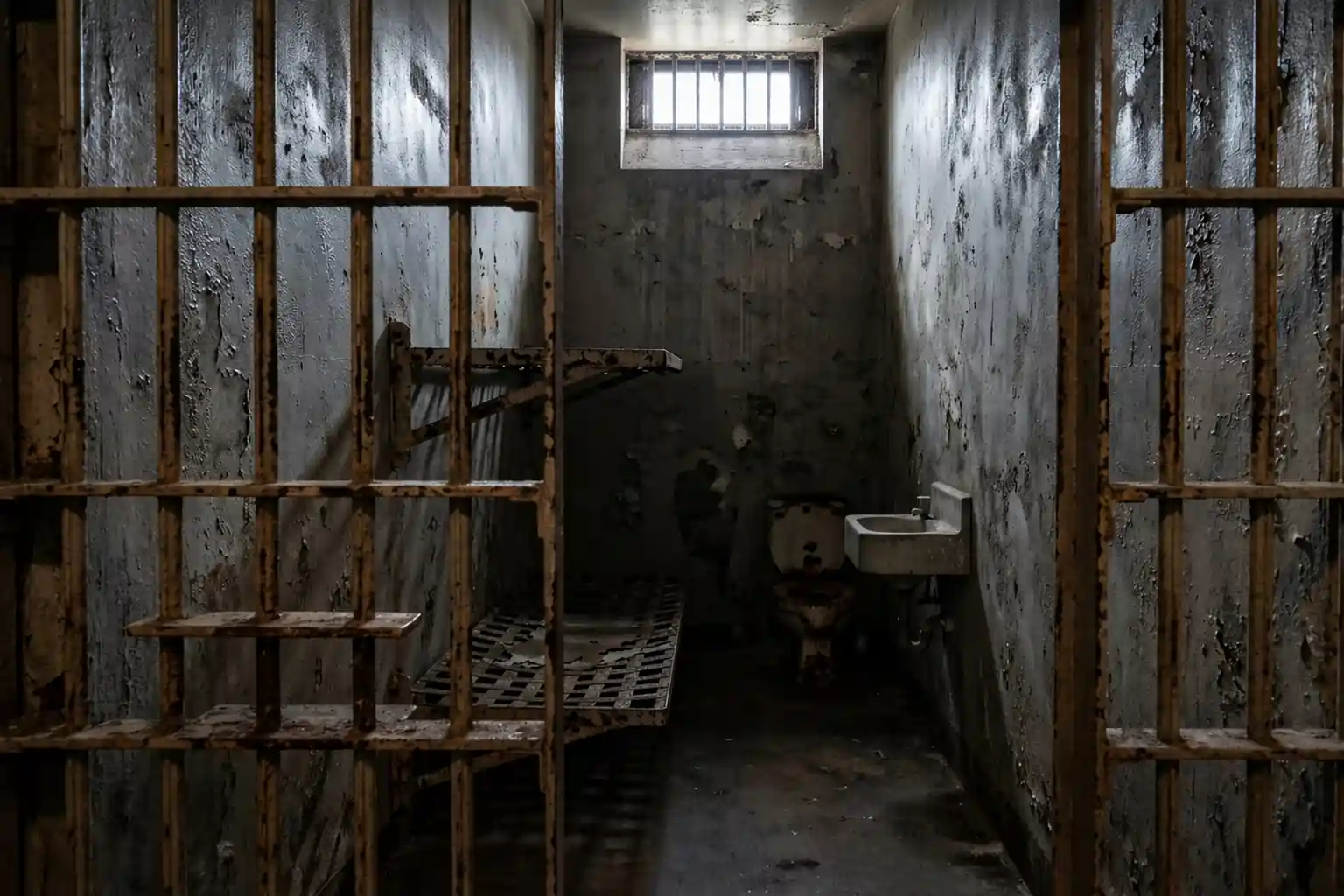
Murder in the First shifts the focus from escape and action to the human cost of confinement. The story follows Henri Young, a prisoner subjected to long-term isolation after a failed escape attempt.
Unlike other films, the tension here is internal rather than physical. The environment is used to show how confinement affects behavior over time.
What the film emphasizes:
Extended solitary confinement in underground areas
Physical and mental deterioration
Power imbalance between inmates and authority
The film brought attention to a less-discussed aspect of Alcatraz, the severity of early confinement practices.
How to experience this in real life:
When you move through the lower sections of the cellhouse or stand inside a single cell, stay there for a moment without moving. The silence, limited space, and lack of visual variation give a clearer sense of how isolation works over time. The impact comes from stillness rather than action.
6. The Enforcer (1976)
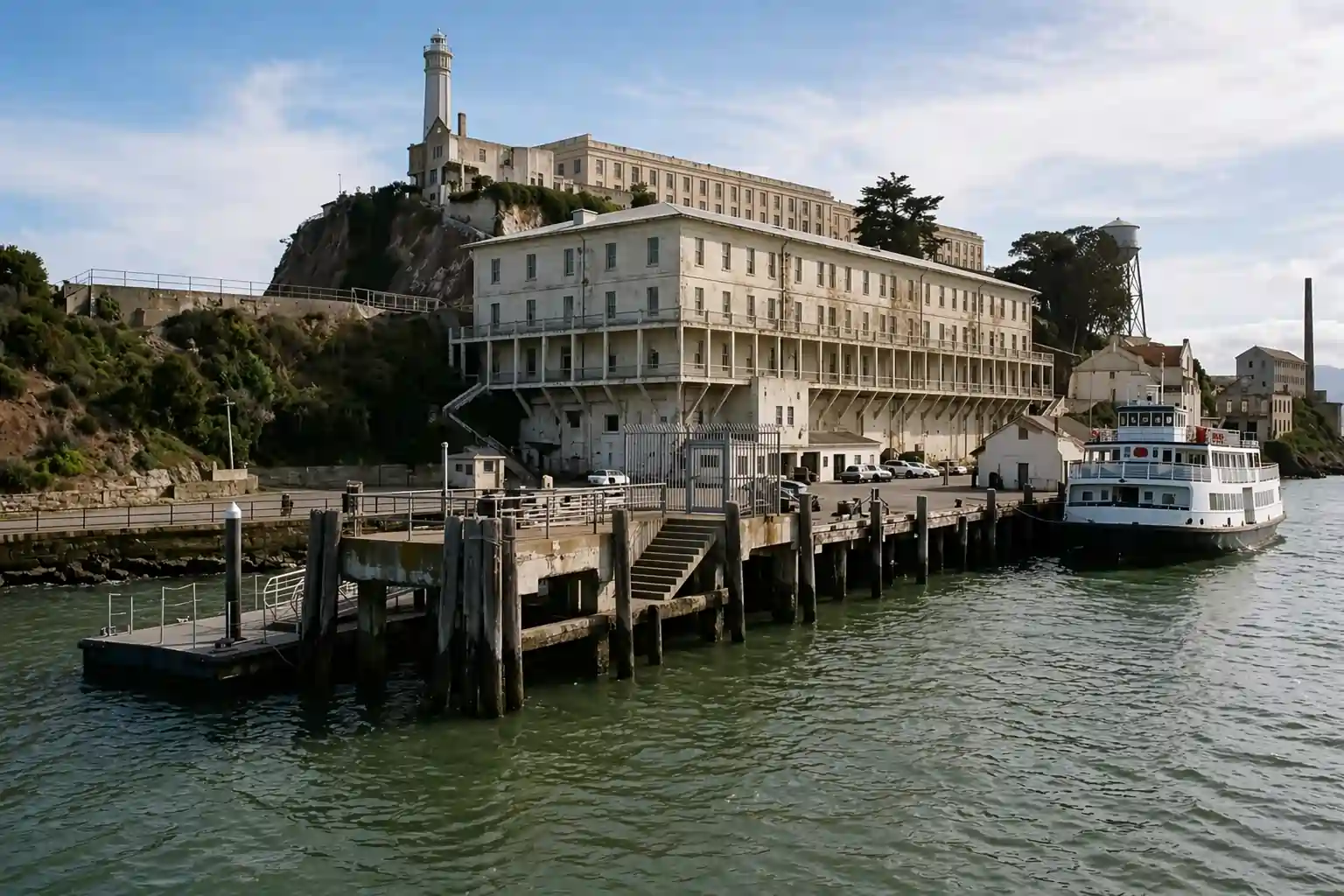
Part of the Dirty Harry series, The Enforcer uses Alcatraz differently. Instead of focusing on prison life, it presents the island as a controlled location for a high-risk confrontation.
The prison had already been closed by this time, which allowed filmmakers to use it as an isolated operational space.
The film highlights:
Exterior structures and shoreline positioning
Limited access points to the island
The advantage of isolation during a standoff
Here, Alcatraz functions more like a strategic location than a prison narrative.
How to experience this in real life:
Stand near the dock area and observe how limited the entry and exit points are. From this angle, it becomes clear why the island works as a controlled environment. The distance from the mainland and the narrow access routes reinforce the same tactical limitations shown in the film.
7. Book of Eli (2010)
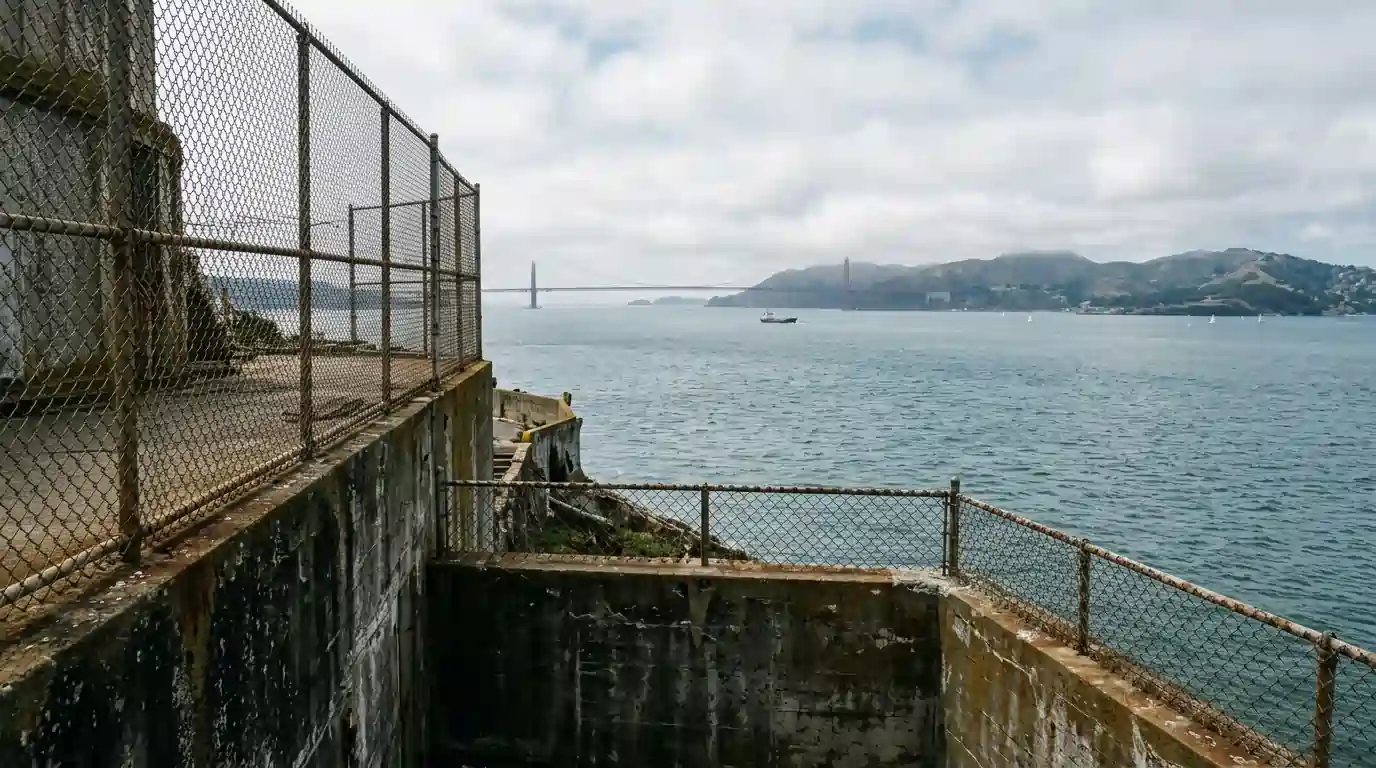
In The Book of Eli, Alcatraz is used in a more abstract way. The film places it in a post-apocalyptic setting, where its original function is less important than its visual identity.
The island represents:
Isolation in a broader sense
A protected or hidden space
Separation from a broken external world
Even without focusing on prison history, the island still communicates the same core idea, distance from everything else.
How to experience this in real life:
Look outward from the island toward the open bay rather than toward the city. This direction removes the urban context and makes the island feel more detached. The sense of separation becomes more noticeable when the skyline is not part of the frame.
8. Half Past Dead (2002)
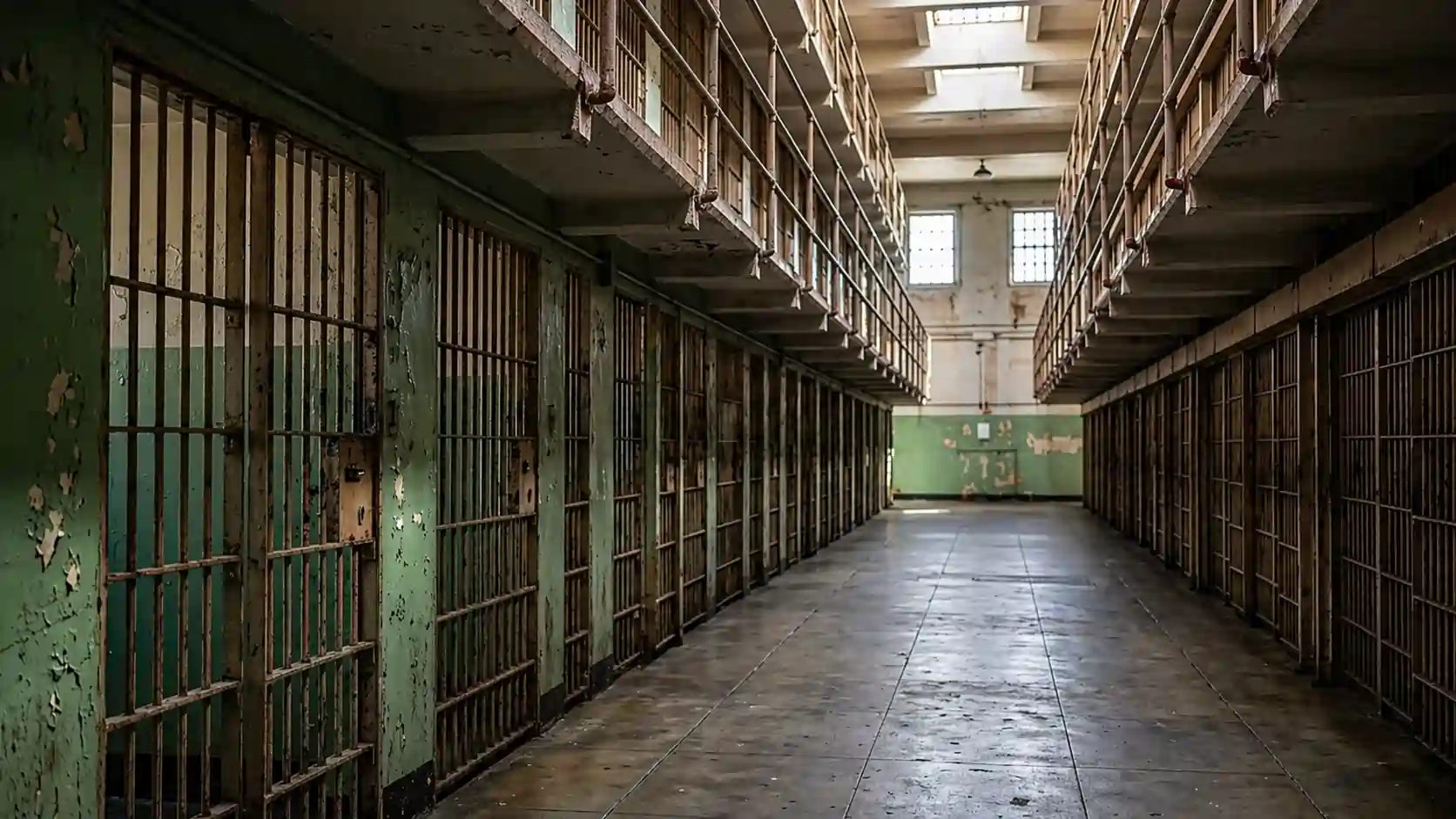
This film presents a fictional version of Alcatraz as a modern, reopened prison. While not historically accurate, it shows how easily the island’s identity can be adapted to different scenarios.
The concept works because the audience already associates Alcatraz with maximum security.
Key aspects of its portrayal:
Reinvention of the prison system in a modern context
Use of familiar architecture to support a fictional story
Emphasis on control and containment
Even in a reimagined setting, the island’s visual credibility remains intact.
How to experience this in real life:
As you walk through the cellhouse, imagine how the same structure would function with modern systems. The layout itself, narrow cells, controlled movement paths, and visibility, already supports that idea without major changes.
9. A View to a Kill (1985)
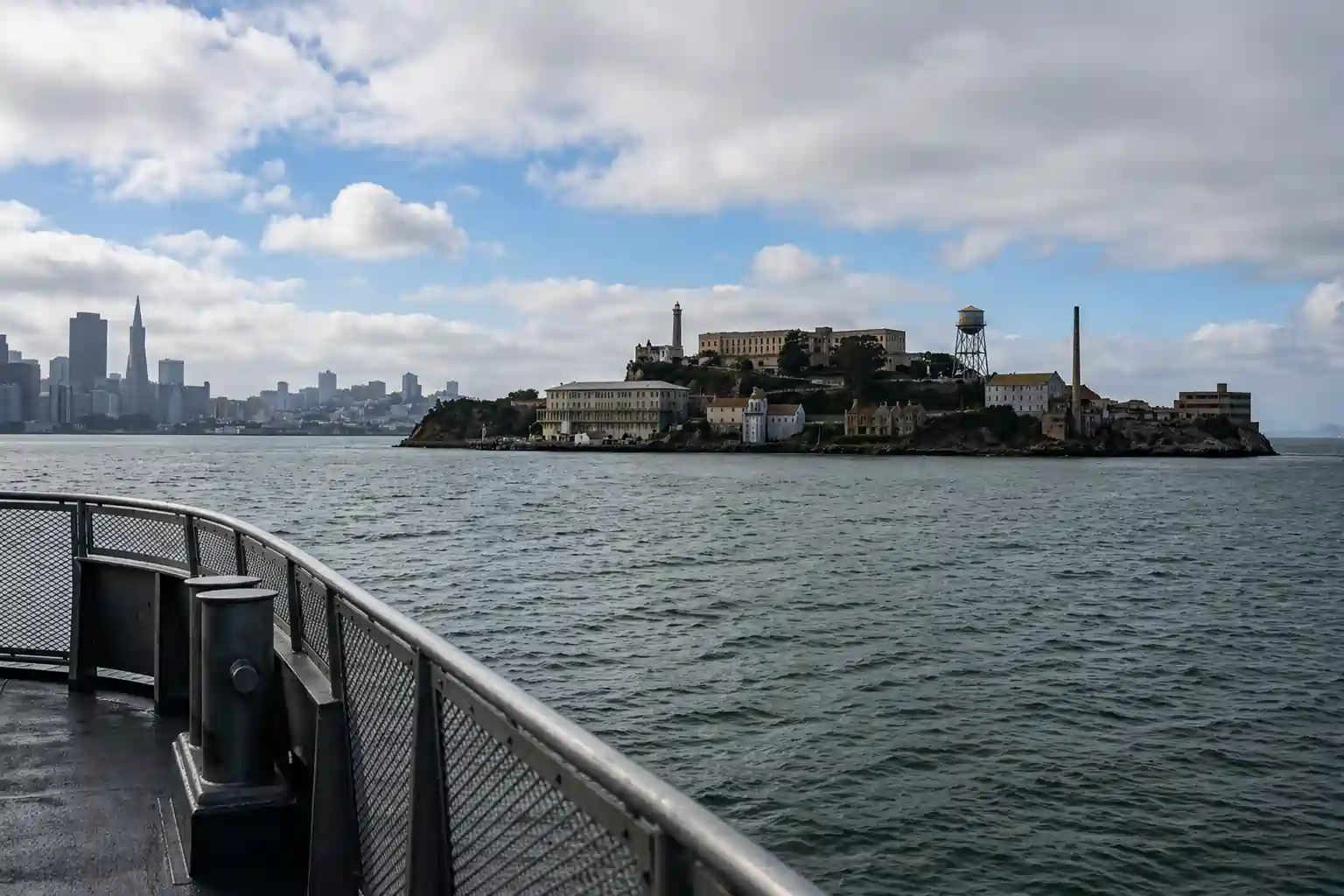
The James Bond film A View to a Kill brought Alcatraz into an international context. By including the island in a global spy narrative, it positioned Alcatraz alongside other iconic locations used in the franchise.
The significance here is not just the story, but the association.
Alcatraz becomes part of a global cinematic map
The island gains recognition beyond U.S. audiences
The setting signals importance without explanation
This contributed to Alcatraz becoming one of the most internationally recognized locations in American history.
How to experience this in real life:
View the island from the ferry before arrival. The gradual approach mirrors how it is introduced in films, as a distant, isolated structure that becomes more defined over time. That visual buildup is part of its cinematic identity.
10. So I Married an Axe Murderer (1993)
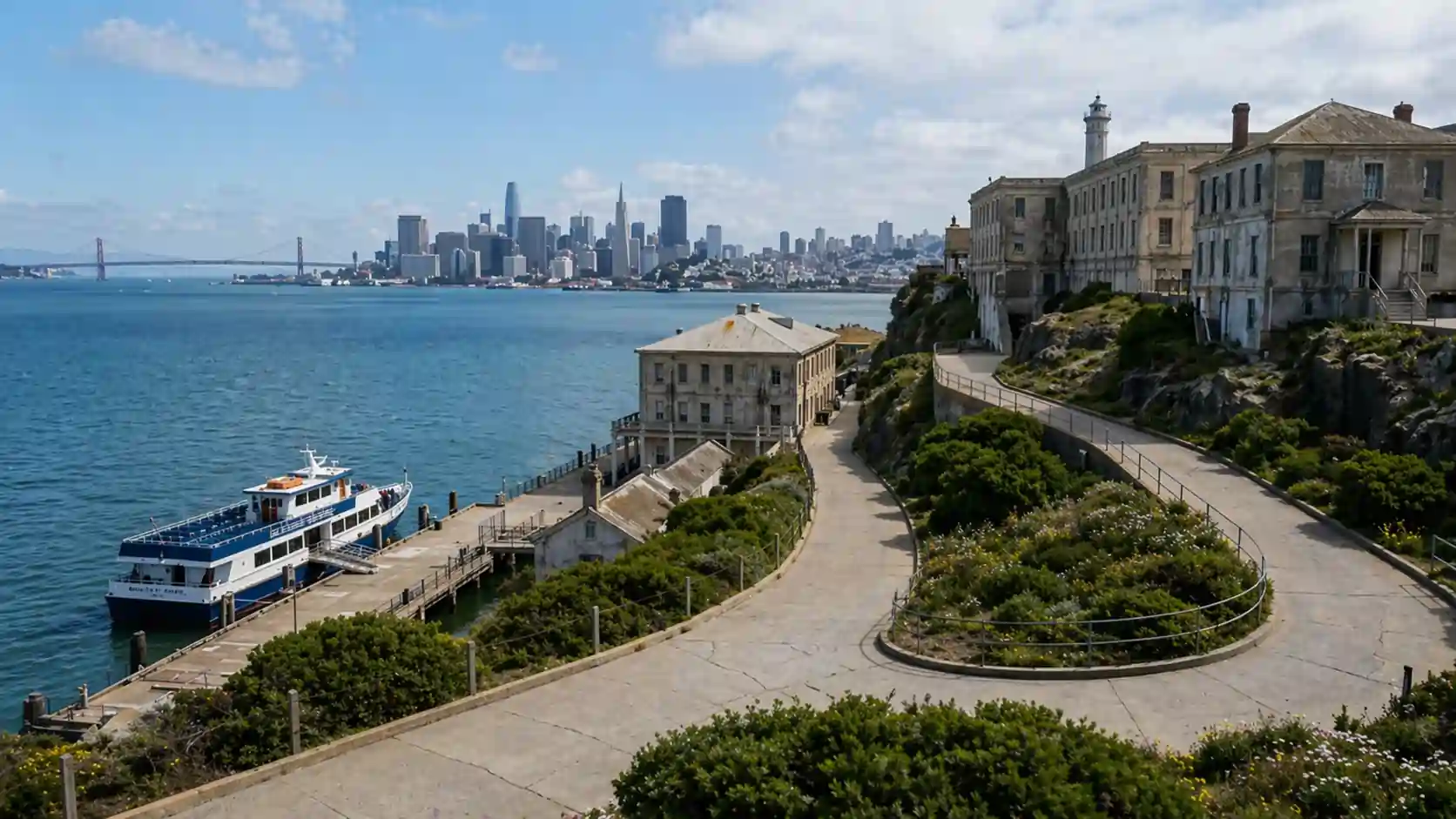
Not every film uses Alcatraz for tension or conflict. This film presents the island as a tourist destination, showing a lighter and more everyday perspective.
This reflects how Alcatraz exists in real life today.
A historic site rather than an active prison
A place people visit rather than avoid
A landmark integrated into city culture
This contrast shows the flexibility of Alcatraz as a setting.
How to experience this in real life:
Pay attention to the ferry ride and the general visitor flow. The casual movement of people, combined with the historic setting, reflects this lighter portrayal. It highlights how the island’s role has changed over time.
Why Filmmakers Keep Returning to Alcatraz
Across different genres, action, drama, thriller, and even comedy, Alcatraz appears repeatedly. This is not a matter of trend-based. It comes from a consistent set of advantages that few locations can offer.
The island combines visual clarity, historical weight, and natural atmosphere in a way that reduces the need for artificial storytelling tools.
Core reasons filmmakers continue to use it:
Instant recognition — audiences already understand what Alcatraz represents
Natural isolation — the surrounding water creates real separation
Architectural tension — corridors, cells, and levels add structure to scenes
City contrast — San Francisco skyline adds scale and context
Because of these factors, Alcatraz allows filmmakers to communicate stakes quickly without extensive setup.
How Alcatraz Works Across Different Film Genres
One of the most interesting aspects of Alcatraz is its flexibility. The same location supports completely different types of storytelling without losing its identity.
In action films like The Rock, the island becomes a high-risk conflict zone. The structure supports movement, confrontation, and tactical sequences.
In historical or realistic films like Escape from Alcatraz, the focus shifts to routine, planning, and physical limitations. The same corridors feel restrictive rather than dynamic.
In psychological narratives like Murder in the First, the emphasis is on isolation and mental impact. The environment becomes a tool for showing internal struggle.
Even in lighter films or comedies, the island functions as a recognizable landmark rather than a threatening space.
This range shows that Alcatraz is not tied to one type of story. It adapts based on how it is used.
What Films Get Right About Alcatraz
Despite differences in accuracy, many films capture certain aspects of the island correctly.
The layout of the cellhouse, the visibility across corridors, and the proximity of the bay are all real features that translate directly to screen.
What films often represent accurately:
The confined nature of cells and movement paths
The visibility between different sections of the prison
The physical closeness of water surrounding the island
The contrast between interior restriction and exterior openness
These elements are not exaggerated, they are part of the actual design of Alcatraz.
What Films Change or Exaggerate
While the visual aspects are often accurate, some elements are adapted for storytelling.
For example:
Underground tunnels are expanded or fictionalized
Movement between areas is shown as faster than it actually is
Security systems are simplified for narrative clarity
Scale is sometimes adjusted to fit action sequences
These changes are not errors, they are adjustments to make the story work on screen.
Experiencing Alcatraz Through Film Perspective
Watching these films before visiting the island changes how you see the space.
Instead of viewing it only as a historic site, you begin to recognize how different areas have been used in storytelling. The same corridor can represent tension, planning, or confrontation depending on the context.
During an Alcatraz day tour, the clarity of the structure makes it easy to connect scenes to real locations. You can see how movement works, how visibility is controlled, and how confined the environment actually is.
The Alcatraz night tour adds another layer. Reduced lighting, quieter surroundings, and stronger echoes make the environment feel closer to how it is portrayed in films. The atmosphere becomes more noticeable, especially in enclosed spaces.
Fun Facts About Alcatraz in Films
Alcatraz has built a strong connection with cinema over decades. Some lesser-known details highlight how deeply it is linked with film history.
Clint Eastwood appeared in multiple films connected to Alcatraz (Escape from Alcatraz, The Enforcer)
Point Blank was filmed when the island was still abandoned, before public access
The Rock used both real locations and detailed sets to replicate restricted areas
The 1962 escape shown in Escape from Alcatraz remains officially unresolved
These facts show how both real history and film history overlap on the island.
Final Perspective
Alcatraz has been used in films for decades, but its appeal has remained consistent. It offers a setting that already carries meaning, which allows stories to begin with a strong foundation.
The films add layers to the island’s identity, but they do not replace it. When you visit, the real environment feels more detailed and complex than any single portrayal.
That is why Alcatraz continues to work both as a historic site and as a cinematic location. It supports storytelling, but it also stands on its own.
Frequently Asked Questions
Why do so many movies use Alcatraz Island as a filming location?▾
Which movie best captures the real experience of Alcatraz?▾
Was The Rock actually filmed on Alcatraz Island?▾
How realistic is Alcatraz in X-Men: The Last Stand? ▾
Why does Alcatraz appear in both serious films and comedies?▾
What makes Murder in the First different from other Alcatraz films?▾
Did Point Blank show a real version of Alcatraz?▾
How do movies exaggerate the layout of Alcatraz?▾
Can visitors recognize film locations during a tour?▾
Does visiting Alcatraz feel like being inside a movie set?▾
Adrian Davis
Published on Alcatraz Island Guide


