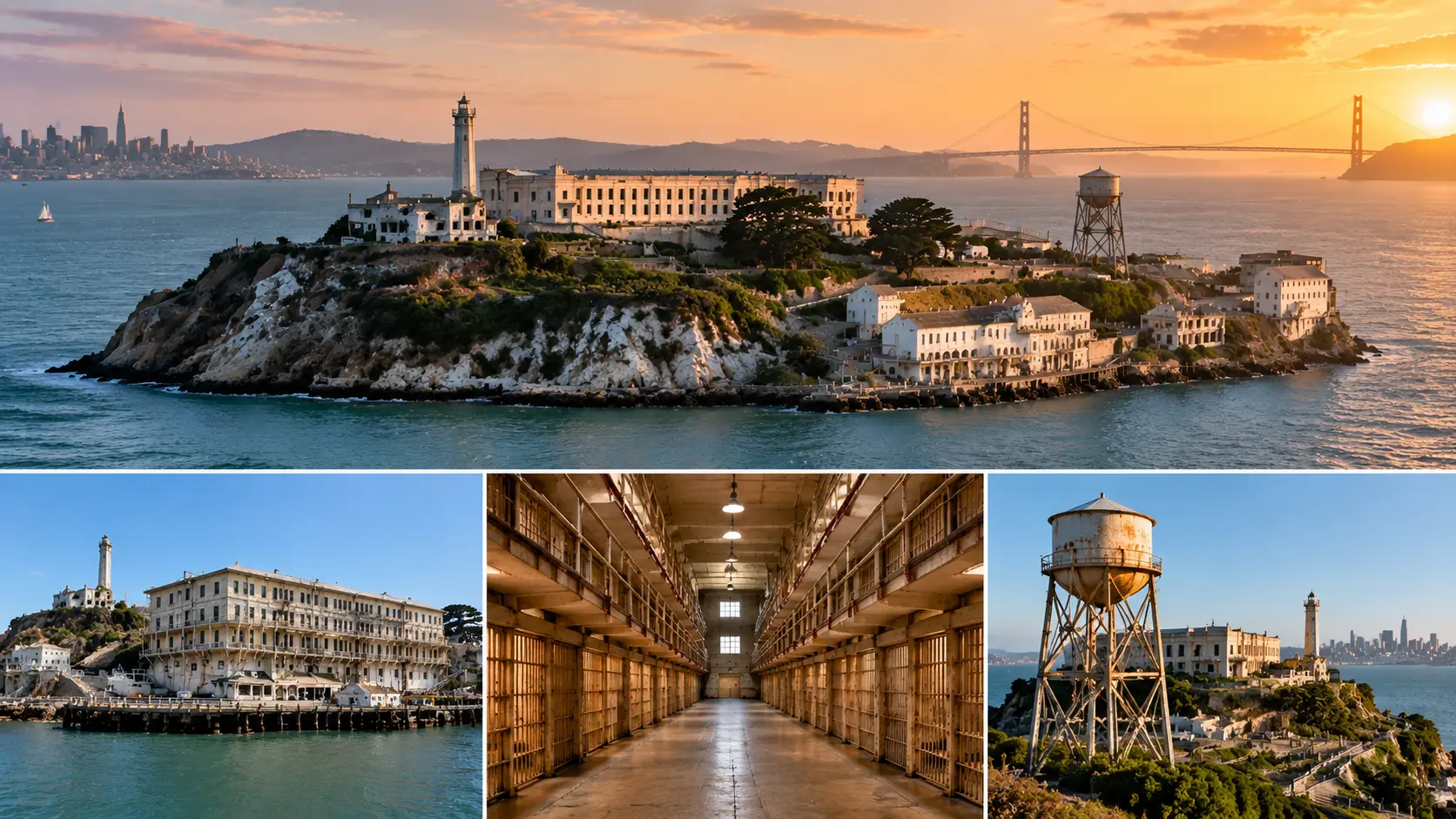
9 Alcatraz Island Buildings & Their Stories
When most people hear the name Alcatraz, they immediately picture an old prison sitting on a rocky island in the middle of San Francisco Bay. The prison is certainly the island's most famous attraction, but it is only one part of a much bigger story.
The Alcatraz Island buildings reveal how the island changed over more than a century. Before it became a federal penitentiary, Alcatraz served as a military fortification and prison. Later, it became the site of a significant Native American occupation. Each period left behind buildings, ruins, and other traces that visitors can still see today.
Walking around Alcatraz can therefore feel like stepping through several chapters of history at once.
If you're planning to experience these historic structures in person, an Alcatraz Island Day Tour offers an opportunity to explore the island and its historic prison complex during daylight hours.
You can stand inside the famous Cellhouse, look toward the old lighthouse, pass former homes where prison officers and their families lived, and see military structures that existed long before the federal prison opened.
Here's a closer look at the most important Alcatraz Island buildings and what they tell us about the island's past.
A Brief History of Alcatraz Island
Alcatraz's strategic location in San Francisco Bay has always been central to its history.
During the 19th century, the United States developed the island as a military fortification because of its position near the entrance to San Francisco Bay. Batteries, defensive structures, and other military facilities were constructed as part of the island's defenses.
Alcatraz also became home to a military prison. Over time, the island's role evolved, eventually leading to its use as a federal penitentiary.
The federal prison opened in 1934 and operated until 1963. During those nearly three decades, Alcatraz became famous for its strict security and its difficult-to-escape reputation.
But the story did not end when the prison closed.
From 1969 to 1971, Native American activists occupied Alcatraz, drawing national attention to Indigenous rights and federal policies affecting Native communities. The occupation also left its mark on several buildings.
Today, Alcatraz is part of the Golden Gate National Recreation Area and is preserved as a historic site.
The Most Important Alcatraz Island Buildings
There are numerous structures and ruins across the island, and each has a different connection to Alcatraz's history.
1. The Cellhouse
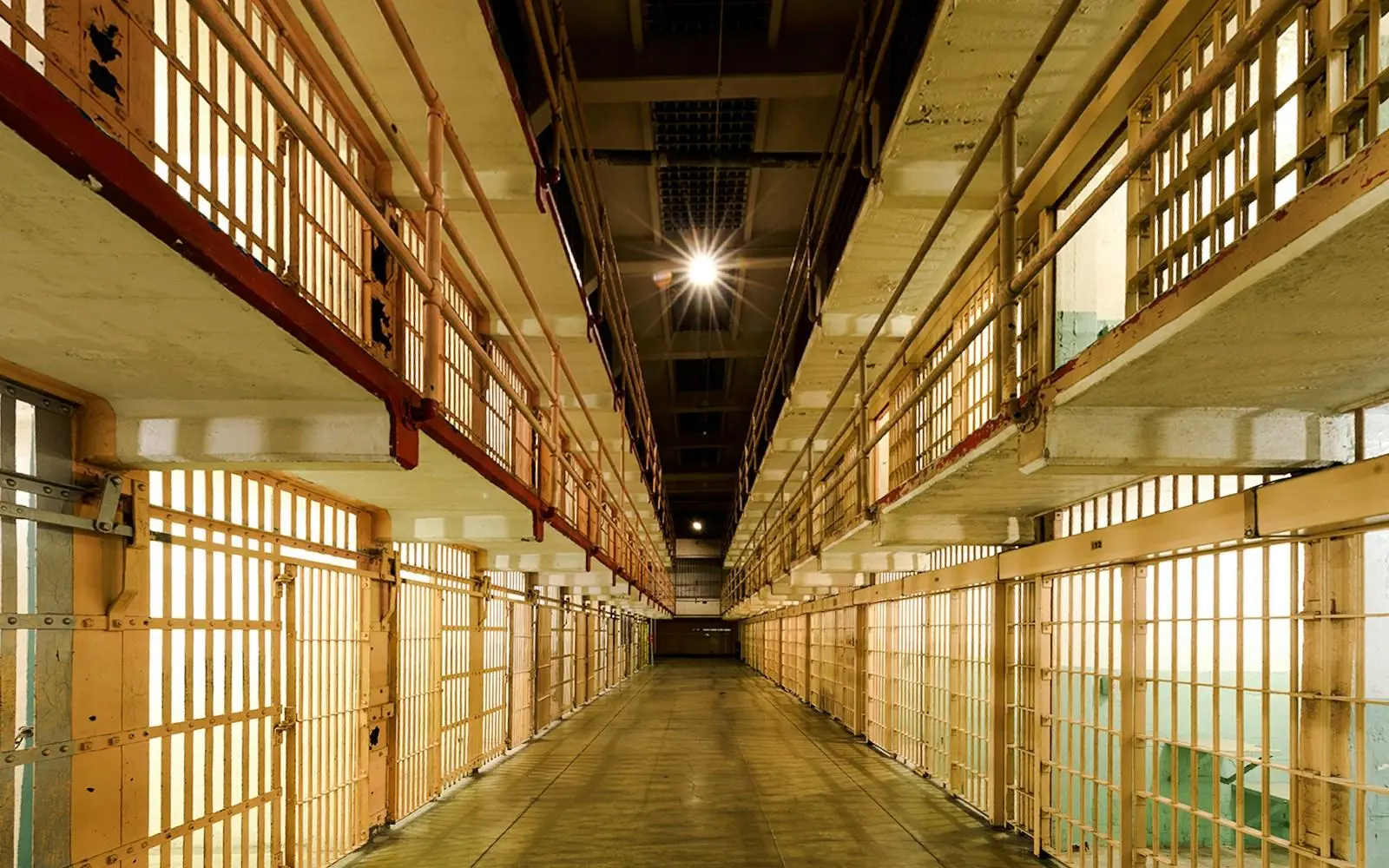
The Cellhouse is easily the most recognizable of all the Alcatraz Island buildings.
Built for the federal penitentiary, the massive concrete structure contained hundreds of individual cells. Its design emphasized security, surveillance, and controlled movement.
Inside, prisoners lived in small cells arranged along several cellblocks. The building also included facilities necessary for everyday prison life, including a dining hall, kitchen, library, and other operational areas.
Walking through the Cellhouse today provides a strong sense of the physical reality of incarceration. The narrow cells, heavy doors, steel bars, and concrete corridors make the building feel very different from a conventional historic museum.
The Cellhouse is also closely connected to Alcatraz's most famous escape attempts, which have helped turn the building into one of the world's best-known former prisons.
However, focusing only on the Cellhouse means missing much of what makes the island historically interesting.
2. The Alcatraz Lighthouse
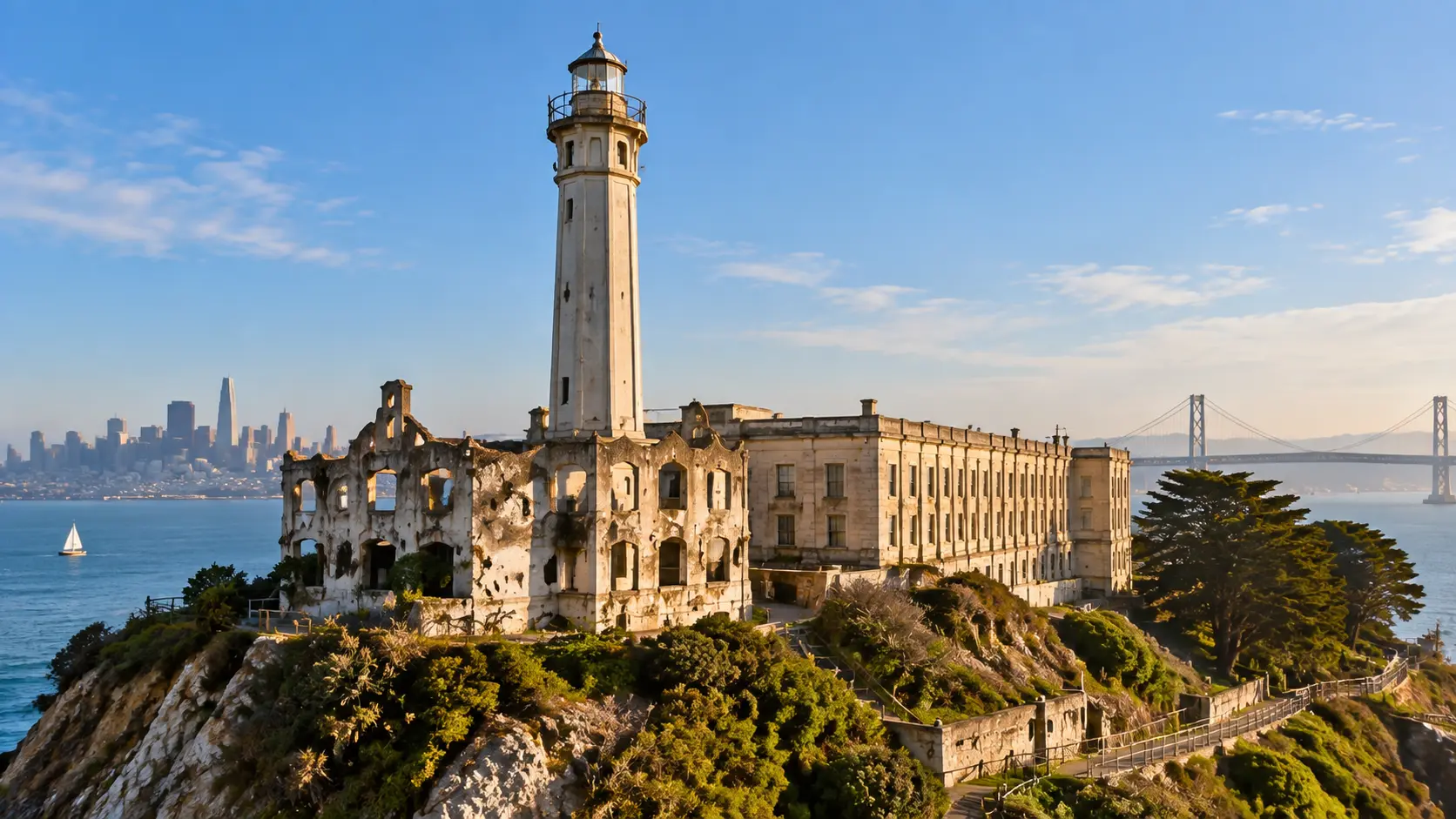
The Alcatraz Lighthouse represents a much older chapter of the island's history.
The lighthouse was built in the 19th century, before Alcatraz became a federal prison.
Its primary purpose was to help guide ships navigating the busy waters of San Francisco Bay.
Its presence is a useful reminder that Alcatraz was important because of its location long before prisoners arrived.
The lighthouse also creates an interesting contrast with the prison. One structure helped ships navigate the bay, while the other became a symbol of confinement and isolation.
Today, the lighthouse remains an important landmark on the island.
3. The Warden's House
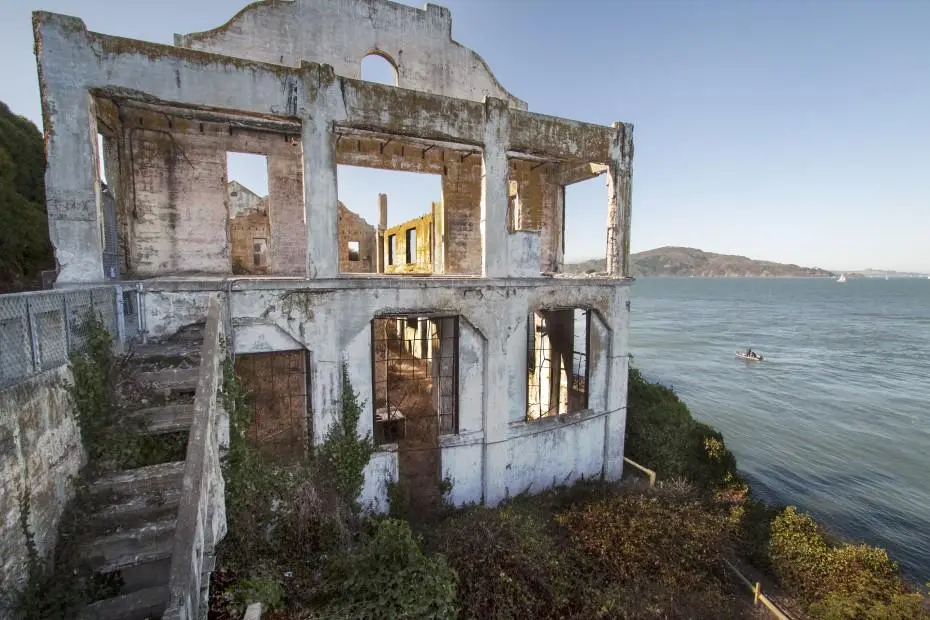
The Warden's House is one of the most visually striking structures on Alcatraz.
Located on the hillside above the prison complex, the house served as a residence for the prison warden. Its position offered impressive views of San Francisco Bay and the surrounding city.
The building suffered severe damage during the Native American occupation of Alcatraz from 1969 to 1971. Today, its remains have the appearance of a dramatic ruin.
The Warden's House is particularly interesting because it represents the contrast between the lives of prison officials and prisoners.
The island's atmosphere can feel even more striking after dark, making an Alcatraz Island Night Tour another option for visitors who want to experience the historic site from a different perspective.
While inmates lived in tightly controlled cells, the warden had a private residence overlooking the bay.
4. The Guardhouse
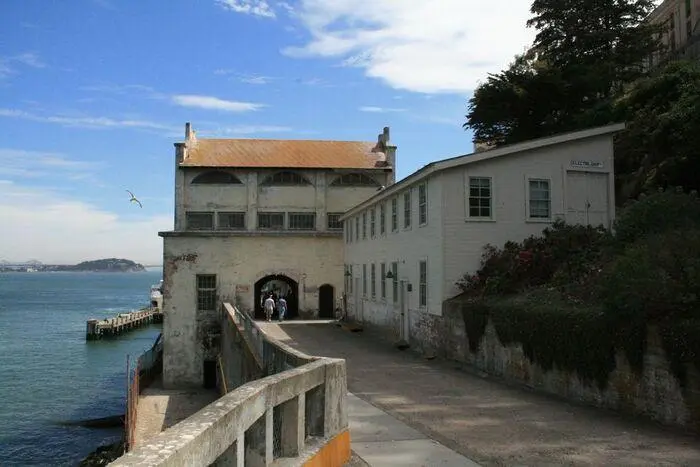
Security was fundamental to Alcatraz's operation, making the Guardhouse an important part of the prison complex.
The guardhouse was located near the entrance and was associated with controlling access to the facility. Officers could monitor people entering and leaving the prison and help maintain security throughout the complex.
It may not attract the same attention as the Cellhouse, but the Guardhouse helps explain how the prison's security system operated.
Alcatraz's reputation as an extremely secure prison did not depend on thick walls alone. It relied on layers of controlled access, surveillance, guards, procedures, and physical barriers.
5. The Administration Building
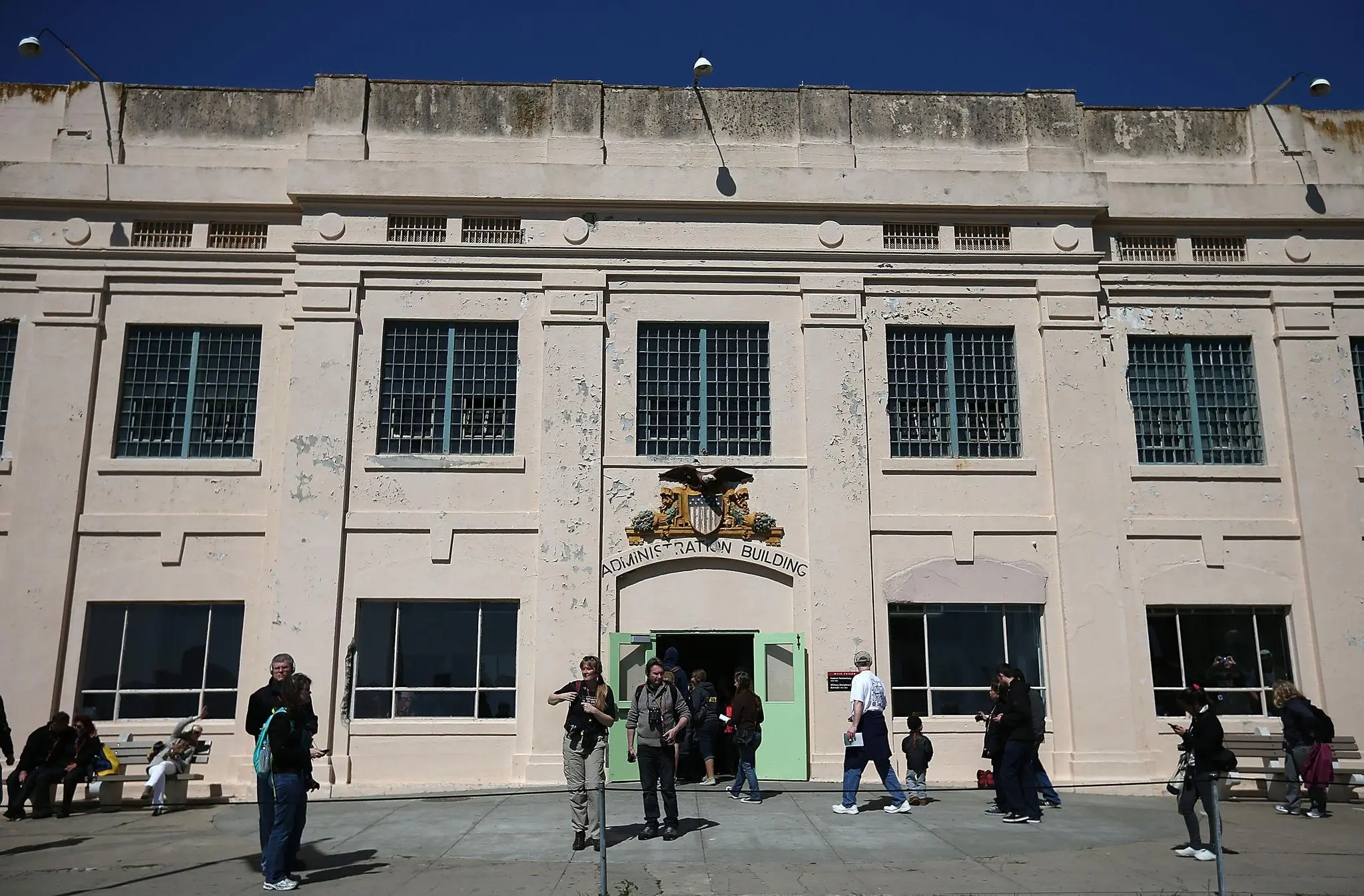
Behind every prison is an extensive administrative system, and the Administration Building played a role in keeping Alcatraz functioning.
The building contained offices used by prison officials and staff. Records, personnel matters, security operations, and other administrative responsibilities required dedicated spaces.
For visitors, the building may seem less dramatic than the Cellhouse, but it represents the everyday bureaucracy that supported the institution.
Without these offices and support facilities, the prison could not have operated as the highly organized institution it became.
6. The Prison Industries Building
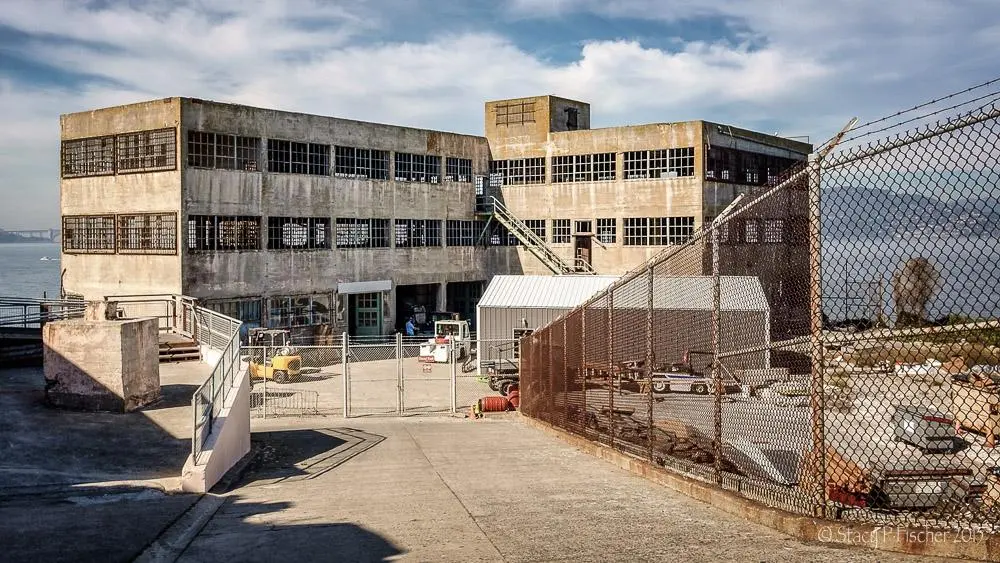
Prisoners at Alcatraz spent their days following strict routines, and work was an important part of life for eligible inmates.
The Prison Industries Building was associated with prison work programs. Selected prisoners could perform supervised jobs and develop practical skills.
This part of Alcatraz's history is often overshadowed by stories about famous inmates and escape attempts. Yet work, meals, recreation, and daily routines made up much of ordinary prison life.
The building therefore provides a different perspective on what it meant to live at Alcatraz.
7. The New Industries Building
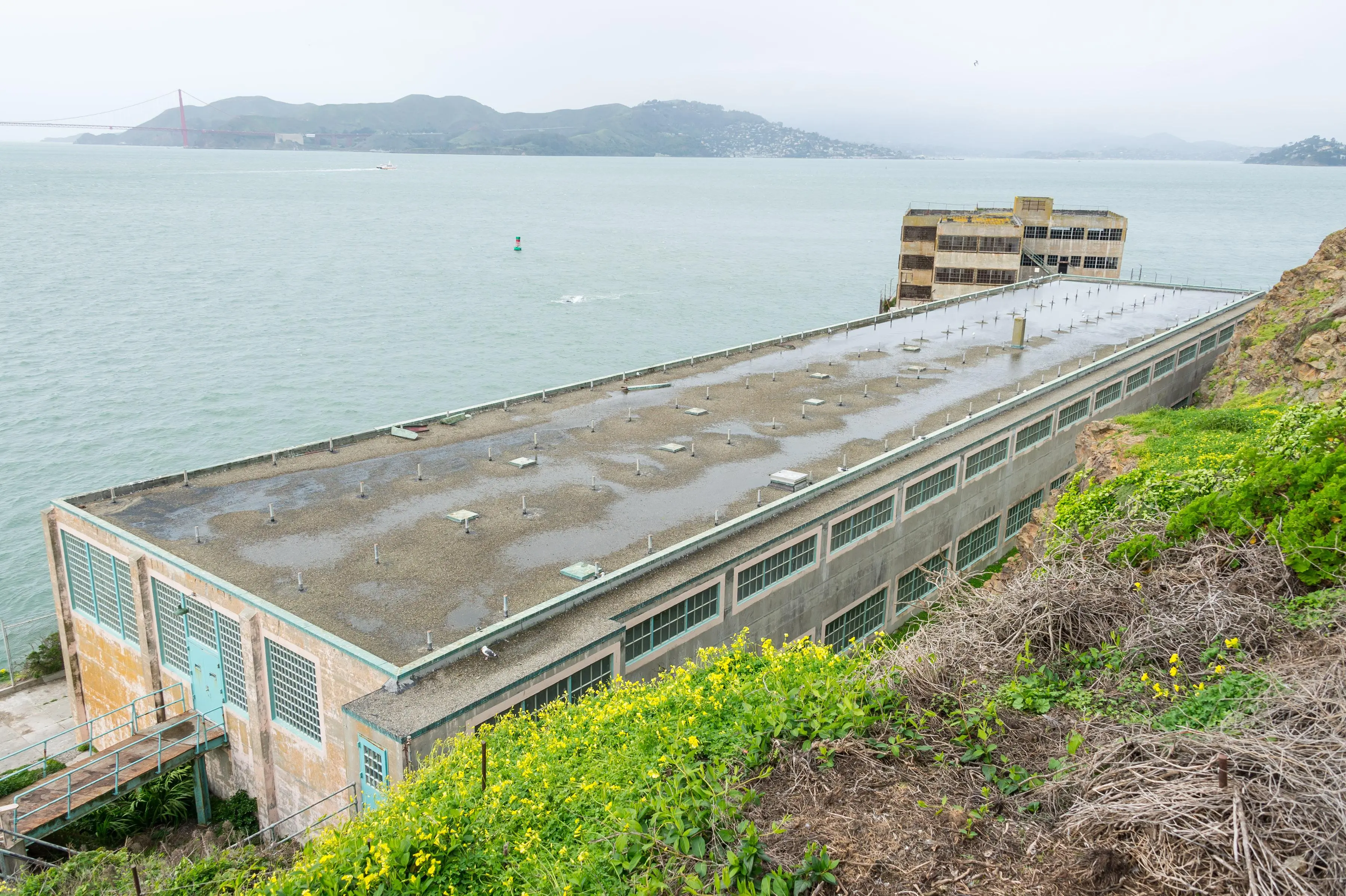
The New Industries Building was another facility connected with inmate work.
Prison industries were intended to provide structured employment for prisoners who were eligible to participate.
Work could give inmates a regular routine while supporting the operation of the institution.
Today, the building is another reminder that Alcatraz functioned as more than a collection of cells.
It was a self-contained institution that needed workshops, utilities, administrative offices, healthcare facilities, housing, and other services.
8. Alcatraz Hospital
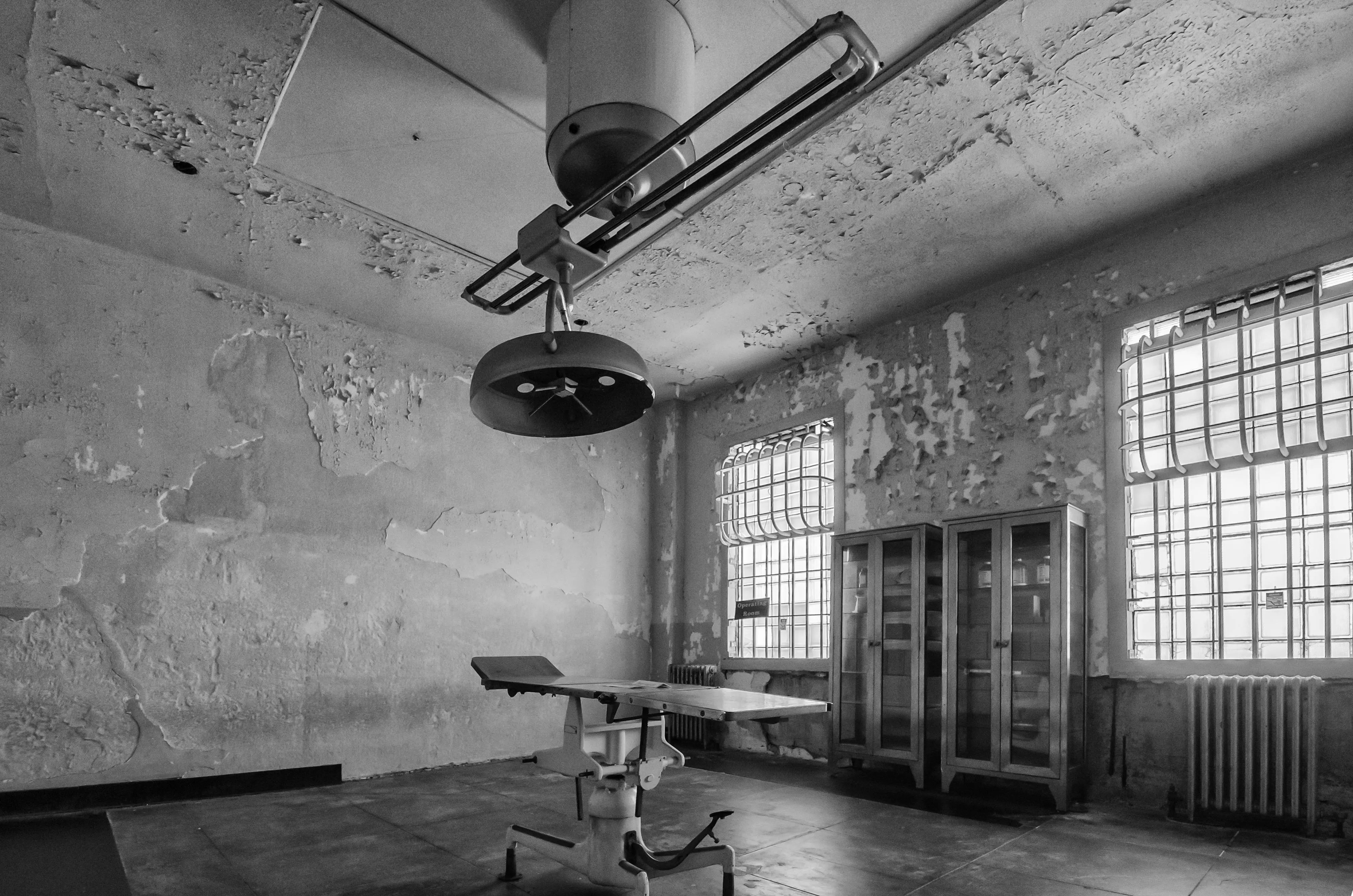
A prison population requires healthcare, and Alcatraz had its own hospital facilities.
The hospital provided medical care for prisoners and was an important part of the island's infrastructure.
Like other support facilities, it demonstrates how much was required to maintain a functioning institution on an isolated island.
The hospital is also a reminder that prisoners experienced ordinary human problems—illness, injury, aging, and medical emergencies—alongside the extraordinary circumstances associated with incarceration.
9. Officers' Quarters and Family Housing
Perhaps one of the most surprising aspects of the Alcatraz Island buildings is the presence of homes.
Alcatraz was not occupied exclusively by prisoners and guards. Correctional officers and other employees lived on the island, and some brought their families with them.
Residential buildings created a small community alongside the prison.
Children could grow up on the island, attend to everyday activities, and look out over San Francisco Bay while their parents worked inside one of America's most famous prisons.
This family history adds an unexpectedly human dimension to Alcatraz.
The island was not simply a place of punishment. For some people, it was home.
Military Buildings and Fortifications on Alcatraz
The Citadel
Before the federal prison era, Alcatraz was developed for military defense.
The Citadel formed part of the island's defensive infrastructure. Its construction reflects the importance of Alcatraz's location and the concerns surrounding the protection of San Francisco Bay.
The military structures that remain today help visitors understand that the island's history stretches much further back than 1934.
Military Batteries
Various military batteries and defensive structures were built across the island.
These installations were designed to support coastal defense and protect the strategic approaches to San Francisco.
Although many visitors arrive primarily to learn about the federal prison, these military remains are essential to understanding why Alcatraz was developed in the first place.
The Power Plant and Other Utility Buildings
Running a prison on an island required an impressive amount of infrastructure.
The power plant helped provide electricity and supported the operations of the prison complex. Other utility and service structures helped supply the needs of prisoners, staff, and residents.
These buildings may not be as visually famous as the Cellhouse, but they reveal something important about Alcatraz: it functioned like a small, isolated community.
Food had to be prepared, electricity generated, buildings maintained, people housed, and prisoners cared for.
Everyday life depended on an entire network of facilities.
Why Are Some Alcatraz Buildings in Ruins?
Visitors may notice that not every structure on Alcatraz looks like a perfectly preserved historic building.
There are several reasons for this.
The island is exposed to the harsh marine environment of San Francisco Bay. Salt air, moisture, wind, and years of weather exposure can be particularly damaging to historic structures.
Some buildings were also damaged by fires and other events. The Native American occupation from 1969 to 1971 left visible effects on several structures, including the Warden's House.
Rather than removing every sign of age, preservation efforts often aim to protect the historic character of the island.
As a result, some ruins remain visibly weathered. For many visitors, this actually makes Alcatraz more compelling because the buildings feel connected to the passage of time.
What Can You See When Visiting Alcatraz?
Visitors interested in exploring more of the area's island history can also consider an Alcatraz & Angel Island Tour, which combines two significant destinations in San Francisco Bay.
A visit to Alcatraz typically involves much more than walking through the Cellhouse.
Depending on current visitor access, you can explore areas around the prison complex, view military structures, see the lighthouse, look at former residences, and take in the remains of buildings damaged over the years.
One of the best things to do is simply slow down.
Look at the buildings around you and consider what each one was used for. The island's history becomes much easier to understand when you see how the different structures fit together.
The views are also remarkable. From Alcatraz, visitors can see parts of San Francisco, the Golden Gate Bridge, and the surrounding waters.
That scenery creates a powerful contrast with the island's history of imprisonment and isolation.
For an especially scenic experience on the bay, a San Francisco Sunset Cruise offers the chance to see Alcatraz, the Golden Gate Bridge, and the San Francisco skyline as the day comes to an end.
Why the Alcatraz Island Buildings Matter Today
The significance of the Alcatraz Island buildings goes beyond architecture.
Together, they preserve stories about:
Military defense in San Francisco Bay
Federal incarceration from 1934 to 1963
Prison officers and their families
Daily life inside an isolated institution
Native American activism and the occupation of Alcatraz
Historic preservation and conservation
Each structure adds another piece to the larger story.
The Cellhouse tells one story. The lighthouse tells another. The family residences, military buildings, hospital, and ruins add still more perspectives.
That's why exploring Alcatraz is so different from visiting a conventional museum.
The history isn't contained behind a glass display—it surrounds you.
Tips for Exploring Alcatraz Buildings
If you're planning a visit, consider these simple tips:
Take your time
Don't rush through the Cellhouse and assume you've seen everything. Some of the most interesting details are found around the wider island.
Look beyond the prison
The military structures, lighthouse, residences, and ruins provide important context for the prison.
Pay attention to the views
The location is a major part of Alcatraz's story. Looking across the water helps explain both the island's military importance and its reputation as a difficult place to escape from.
Check current access information
Not every building is necessarily open to visitors at all times. Preservation work, safety concerns, and operational changes can affect access.
Final Thoughts on Alcatraz Island Buildings
The Alcatraz Island buildings are much more than remnants of an old prison.
They represent the many lives and historical periods connected to this small island in San Francisco Bay. Military structures reveal their early strategic importance. The Cellhouse represents the federal prison era.
The hospital, workshops, offices, and utility buildings show how the institution functioned day after day. The family residences remind us that people also lived ordinary lives here.
Then there are the ruins, which quietly reflect the passage of time and the events that shaped the island after the prison closed.
So, when you visit Alcatraz, don't just look for the famous prison cells. Look at the entire island.
Every building, wall, pathway, and ruin contributes to a story that is far bigger than the prison itself—and that's what makes Alcatraz such a fascinating historic destination.
Frequently Asked Questions
What is the most famous Alcatraz Island building?▾
How many buildings are on Alcatraz Island?▾
Was Alcatraz always a prison?▾
Did families live on Alcatraz?▾
Why is the Warden's House damaged?▾
Can visitors enter all the Alcatraz buildings?▾
What happened to the Alcatraz buildings after the prison closed?▾
Adrian Davis
Published on Alcatraz Island Guide


